ReactOS (FOSS "Windows") achieves 3D-accelerated Half-Life on real hardware
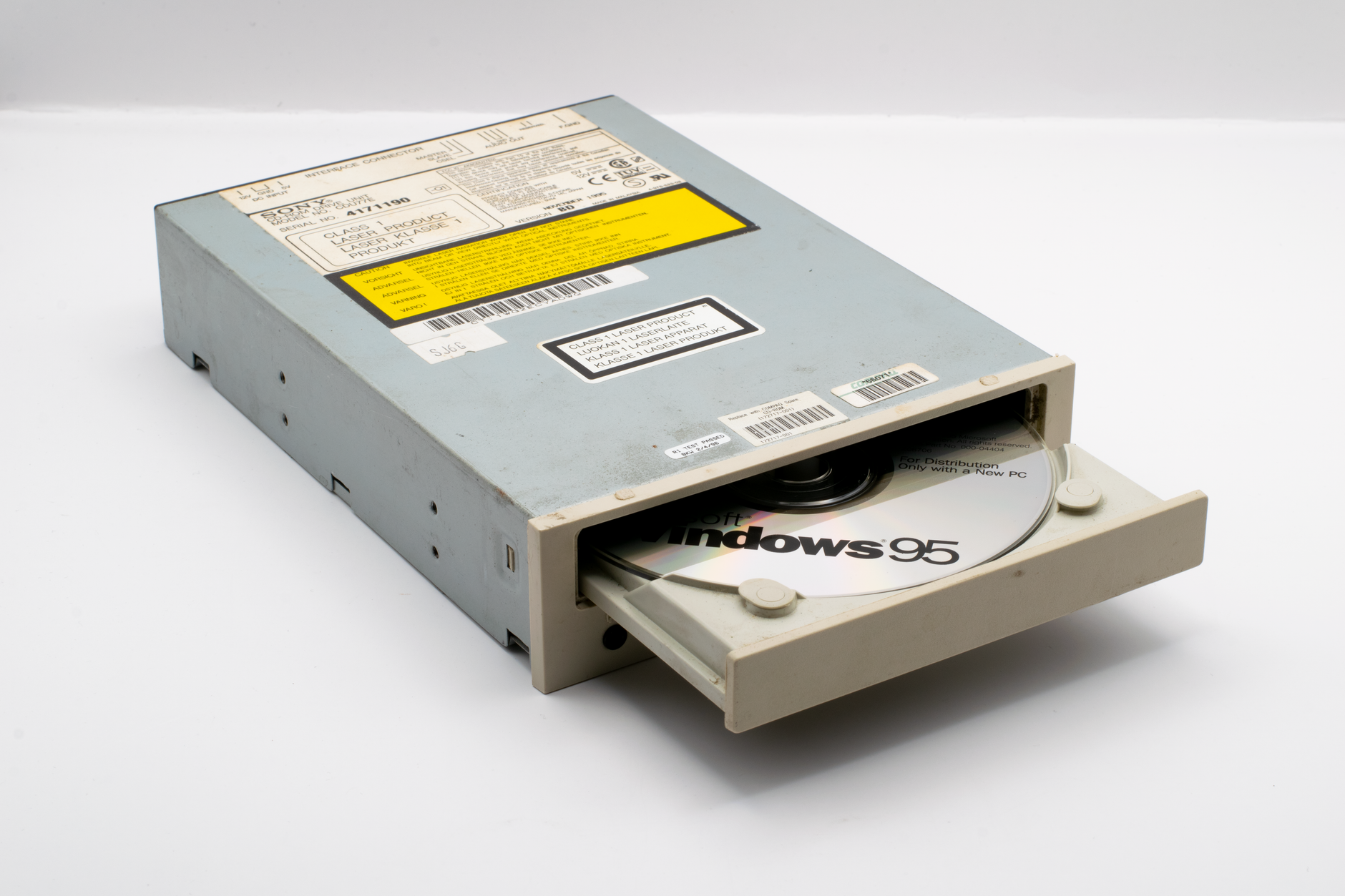
The world of operating systems is typically dominated by a handful of major players. But a quiet revolution has been brewing, fueled by the passion of developers and the power of open-source collaboration. That revolution recently hit a significant milestone: ReactOS, a free and open-source operating system aiming for binary compatibility with Windows, has successfully run the iconic first-person shooter Half-Life with full 3D acceleration on real hardware.
This isn’t just a nostalgic win for retro gaming fans. It's a potential paradigm shift for the open-source landscape, and a fascinating signal for tech investors looking for undervalued opportunities. Let's dive into what ReactOS is, why this achievement matters, and what it could mean for the future of computing – and your portfolio.
What is ReactOS? A Windows Alternative Built from the Ground Up
ReactOS isn’t simply a Linux distribution with a Windows-like interface. It’s a complete reimplementation of the Windows NT architecture, meaning it's built from scratch to be compatible with Windows applications and drivers without relying on any Microsoft code. This is a crucial distinction. Many attempts at Windows compatibility rely on translation layers like Wine (more on that later). ReactOS aims for native compatibility.
Think of it as building a house that looks and functions like another house, but using a completely different blueprint and construction crew. The goal is seamless integration with the vast ecosystem of Windows software.
Here's a quick breakdown of ReactOS’s key features:
- Open Source: Licensed under the GNU General Public License, meaning it’s free to use, distribute, and modify.
- Windows Compatibility: Designed to run Windows applications and drivers. Currently, compatibility is still evolving, but this recent breakthrough demonstrates significant progress.
- NT Architecture: Based on the Windows NT kernel, providing a stable and robust foundation.
- Active Development: A dedicated community of developers continually working on improving the OS.
- Cross-Platform Development: ReactOS is developed on various platforms.
Why is 3D Acceleration in Half-Life a Big Deal?
Getting Half-Life to run on ReactOS isn't new. It has been possible for some time, but typically with significant graphical limitations. Previous versions relied on software rendering, meaning the CPU handled all the graphics processing, resulting in low frame rates and a poor gaming experience.
The recent achievement lies in enabling 3D acceleration using a dedicated graphics card and appropriate drivers. This leverages the GPU (Graphics Processing Unit) to handle the complex calculations required for rendering 3D graphics, dramatically improving performance and visual fidelity.
This breakthrough demonstrates several critical advancements:
- Driver Support: It signifies a significant leap forward in ReactOS’s ability to work with modern hardware, specifically graphics cards. Drivers are notoriously difficult to write and maintain, and getting them working reliably on an alternative OS is a major victory.
- API Implementation: The underlying DirectX (or a compatible layer) implementation within ReactOS has reached a level of maturity allowing for proper utilization of 3D acceleration features.
- Real-World Application: It proves ReactOS isn't just a theoretical project. It's a functional OS capable of handling demanding applications like games.
- Validation of the project's core architectural principles: This wasn't achieved via emulation or translation layers; it's genuine compatibility, confirming ReactOS's long-term viability.
[Image Suggestion: A screenshot of Half-Life running smoothly with 3D acceleration on ReactOS.
The Implications for the Open-Source Ecosystem
The success with Half-Life has ripple effects throughout the entire open-source world:
- Increased Adoption: A fully functional, Windows-compatible OS would be attractive to users hesitant to switch due to software compatibility concerns.
- Developer Interest: This achievement will likely attract more developers to the ReactOS project, accelerating its development and expanding its capabilities. More contributions lead to faster bug fixes, new features, and improved compatibility.
- Competition: ReactOS offers a genuine alternative to Windows, potentially fostering competition and innovation in the operating system market.
- Reduced Vendor Lock-In: By providing a free and open-source alternative, ReactOS reduces reliance on proprietary software and gives users more control over their computing environment.
- Boost for Wine: Though distinct from ReactOS, advancements in ReactOS’s 3D acceleration capabilities could indirectly benefit Wine, the compatibility layer that allows Windows applications to run on Linux and macOS, and vice-versa. Shared learnings and potential code contributions can accelerate development on both projects.
The Financial Angle: Investment Potential in Open-Source Software
While ReactOS itself isn't a company ripe for traditional investment (it's a community-driven project), its success highlights the growing investment potential within the broader open-source software (OSS) landscape.
Here’s how investors should view this:
- Growing Market: The OSS market is booming. Businesses increasingly rely on open-source technologies for everything from operating systems and databases to web servers and cloud infrastructure.
- Reduced Costs: OSS often offers lower total cost of ownership compared to proprietary software, making it an attractive option for businesses.
- Innovation: Open-source communities are known for their rapid innovation and agility. The collaborative nature of development leads to faster problem-solving and the creation of cutting-edge technologies.
- Adjacent Opportunities: Invest in companies that support the open-source ecosystem. This includes companies providing:
- Support and Consulting Services: Companies specializing in helping businesses implement and manage open-source solutions.
- Open-Source Security: Security firms focused on auditing and hardening open-source software.
- Hardware Compatibility: Manufacturers creating hardware specifically designed for optimal performance with open-source OSes (though this is currently a niche area).
- Indirect Investment via Larger Tech Companies: Many large tech firms (like IBM, Red Hat – now part of IBM, and Microsoft themselves) are significant contributors to and beneficiaries of open-source projects. Investment in these companies provides indirect exposure to the growth of the OSS market.
[Image Suggestion: A graph showing the growth of the Open Source Software market.
Challenges and Future Outlook
Despite this significant milestone, ReactOS still faces challenges:
- Compatibility Gaps: Not all Windows applications and drivers work flawlessly on ReactOS. Ongoing development is crucial to address these compatibility issues.
- Driver Development: Creating and maintaining drivers for a wide range of hardware remains a significant undertaking.
- Funding: ReactOS relies heavily on volunteer contributions. Securing sustainable funding could accelerate development.
- Market Awareness: Compared to established operating systems, ReactOS lacks widespread brand recognition. Marketing and outreach efforts are needed to increase awareness.
However, the future looks bright. With continued development and growing community support, ReactOS has the potential to become a viable alternative to Windows, offering users a free, open-source, and compatible operating system.
Looking ahead, key areas of focus include:
- Improving hardware compatibility, especially with newer devices.
- Expanding the range of supported Windows applications.
- Developing a robust package management system.
- Enhancing the user interface and overall user experience.
- Strengthening security features.
Is Now the Time to Invest?
The ReactOS breakthrough isn’t a direct “buy this stock” signal. It’s a marker indicating a growing trend. The success of ReactOS underscores the increasing viability of open-source alternatives and the significant investment opportunities within the broader OSS ecosystem.
While investing in ReactOS directly isn’t possible, smart investors should consider exploring companies that are positioned to benefit from the continued growth of open-source technologies. Research companies that provide support, security, or hardware solutions tailored for the OSS world. Investing in established tech giants that heavily utilize and contribute to open-source projects is also a sensible strategy.
https://example.com/ - Consider a powerful PC to run and test ReactOS, or explore components to build your own.
https://example.com/ - Find affordable hardware compatible with open-source operating systems.
Remember to conduct thorough due diligence and consult with a financial advisor before making any investment decisions.
Disclaimer:
I am an AI chatbot and cannot provide financial advice. This article is for informational purposes only and should not be considered investment advice. The affiliate links provided are for informational purposes and may earn a commission if you make a purchase. Always do your own research and consult with a qualified financial advisor before making any investment decisions.