RIP software hackathons. Long live the hardware hackathon
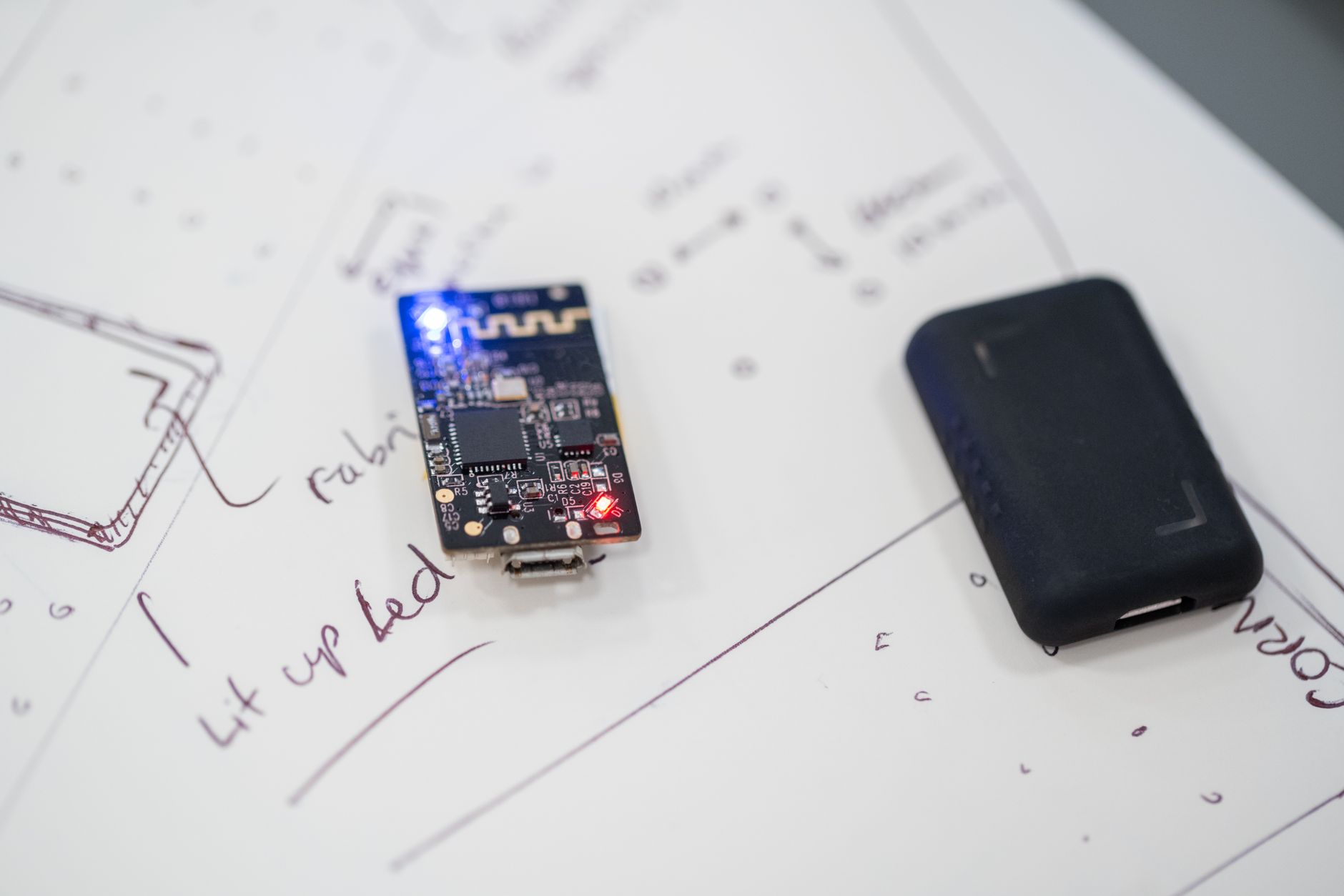
For years, the tech world – and increasingly, the finance world – has been obsessed with software hackathons. Teams huddled around laptops, fueled by caffeine and pizza, churning out lines of code to solve problems or build the next big thing. While software hackathons still have their place, a quiet revolution is underway. The future of impactful, transformative innovation, particularly within finance, is increasingly being built with hardware.
We’re seeing a pronounced shift towards hardware hackathons, and for good reason. This isn’t about abandoning software; it's about recognizing the limitations of purely digital solutions, especially in an industry as reliant on security and physical infrastructure as finance. This article explores this shift, why it's happening now, and what it means for the future of financial technology (FinTech).
The Reign of Software Hackathons: A Retrospective
Software hackathons rose to prominence as a powerful tool for rapid prototyping and innovation. Their advantages are clear:
- Low Barrier to Entry: All you really need is a laptop and an internet connection.
- Fast Iteration: Code is relatively easy to modify and test quickly.
- Large Talent Pool: A vast number of developers are proficient in various software languages.
- Cost-Effective: Compared to hardware development, software iteration is generally cheaper.
FinTech companies were quick to embrace this. Early successes included mobile banking apps, algorithmic trading platforms, and streamlined payment solutions. These were largely software-driven, addressing efficiency and user experience. Think about the rise of challenger banks – companies built primarily on slick, user-friendly software.
However, software-centric solutions often operate on top of existing hardware. They’re layers built on the foundations of physical infrastructure – the ATMs, point-of-sale systems, and secure data centers that underpin the entire financial system. And increasingly, that infrastructure is vulnerable, or simply isn’t capable of supporting the next wave of innovation. That's where hardware comes in.
Why Hardware Hackathons Are Gaining Momentum in Finance
The limitations of a purely software-focused approach are becoming increasingly apparent. Here's why the finance sector is turning to hardware hackathons:
- Security Concerns: Cyberattacks are a constant threat to the financial system. Software security is essential, but hardware-level security offers a fundamental layer of protection. Tamper-proof hardware, secure enclaves, and physically unclonable functions (PUFs) are becoming critical. A compromised software layer can be patched, but compromised hardware is a much deeper problem.
- The Rise of IoT in Finance: The Internet of Things (IoT) is extending financial services into the physical world. Think about smart contracts executed on physical devices, connected ATMs, or sensors monitoring the supply chain for trade finance. These require hardware development and integration. https://example.com/ – Consider a development board like the Raspberry Pi for prototyping IoT finance solutions.
- The Need for Specialized Hardware: High-frequency trading, blockchain technologies, and complex risk modeling often demand specialized hardware – FPGAs (Field-Programmable Gate Arrays) and ASICs (Application-Specific Integrated Circuits) – to achieve the necessary performance. Software alone simply isn’t fast enough.
- Physical Data Integrity: In areas like custody of digital assets (cryptocurrencies), secure hardware is paramount. Hardware Security Modules (HSMs) are essential for protecting private keys and ensuring the integrity of transactions.
- New Revenue Streams: Innovative hardware-based financial products can unlock new revenue streams. Consider secure point-of-sale systems with integrated fraud detection or biometric authentication built into payment cards.
Image Suggestion: A photo of participants at a hardware hackathon, soldering components and working with microcontrollers. *
Specific Applications: Where Hardware Hackathons are Making a Difference
Let's look at some concrete examples of how hardware hackathons are driving innovation in finance:
- Secure Payment Systems: Developing tamper-resistant point-of-sale (POS) devices that prevent skimming and fraud. This could involve building secure enclosures, incorporating biometric scanners, and implementing hardware-based encryption.
- Blockchain & Cryptocurrency Security: Designing secure hardware wallets that protect private keys from theft. This is a massive area of focus, with many hackathons challenging participants to build the ultimate secure cryptocurrency storage solution.
- High-Frequency Trading Infrastructure: Optimizing hardware for low-latency trading. This often involves working with FPGAs to accelerate order processing and market data analysis.
- IoT-Based Insurance: Creating smart sensors that monitor risk factors (e.g., water leaks, fire hazards) and automatically trigger insurance claims.
- Supply Chain Finance: Developing hardware-based tracking systems that verify the authenticity and provenance of goods, reducing fraud in trade finance.
- Decentralized Finance (DeFi) Hardware: Building secure nodes for DeFi networks, leveraging hardware security to protect against attacks.
The Structure of a Successful Hardware Hackathon (for Finance)
Hardware hackathons are different from their software counterparts. They require more planning and logistical support. Here's a breakdown of key elements:
| Feature | Description |
|---|---|
| Hardware Access | Providing participants with access to a wide range of development boards, sensors, and components. |
| Tooling & Labs | Dedicated spaces with soldering stations, oscilloscopes, logic analyzers, and other essential tools. |
| Mentorship | Experienced hardware engineers and financial experts to guide participants. |
| Clear Challenges | Well-defined challenges that align with real-world financial problems. |
| Security Focus | Emphasis on hardware security best practices. |
| Data Provision | (Where relevant) Secure access to financial datasets for testing and development. |
| Judging Criteria | Evaluate projects based on innovation, security, feasibility, and potential impact. |
Image Suggestion: A table showcasing different hardware components commonly used in FinTech hackathons (Raspberry Pi, Arduino, sensors, etc.). *
Challenges and Considerations
Hardware hackathons aren’t without their hurdles:
- Complexity: Hardware development is inherently more complex than software development.
- Cost: Hardware components can be expensive.
- Longer Development Cycles: Prototyping and testing hardware takes more time.
- Supply Chain Issues: Component shortages can disrupt projects.
- Security Risks: Working with sensitive financial data requires strict security protocols. https://example.com/ - Secure storage solutions for prototypes and data are essential.
The Future is Hybrid: Software and Hardware
The shift towards hardware hackathons doesn't signal the death of software. Instead, the future of FinTech innovation will be hybrid. The most impactful solutions will seamlessly integrate software and hardware, leveraging the strengths of both.
We'll see more emphasis on:
- Secure System Design: Building security into the hardware from the ground up.
- Edge Computing: Processing financial data closer to the source (e.g., on IoT devices) to reduce latency and improve security.
- Hardware-Accelerated Software: Using FPGAs and other specialized hardware to accelerate critical software functions.
- Confidential Computing: Leveraging secure enclaves to protect sensitive data even while it’s being processed.
The companies that embrace this hybrid approach – those that actively foster collaboration between software and hardware engineers – will be the ones that lead the next wave of financial innovation.
Disclaimer:
This article contains affiliate links. If you click on one of these links and make a purchase, we may receive a commission at no extra cost to you. This helps support our work and allows us to continue providing valuable content. We only recommend products and services that we believe are beneficial to our readers.