More than sixty percent of the United States is experiencing drought conditions
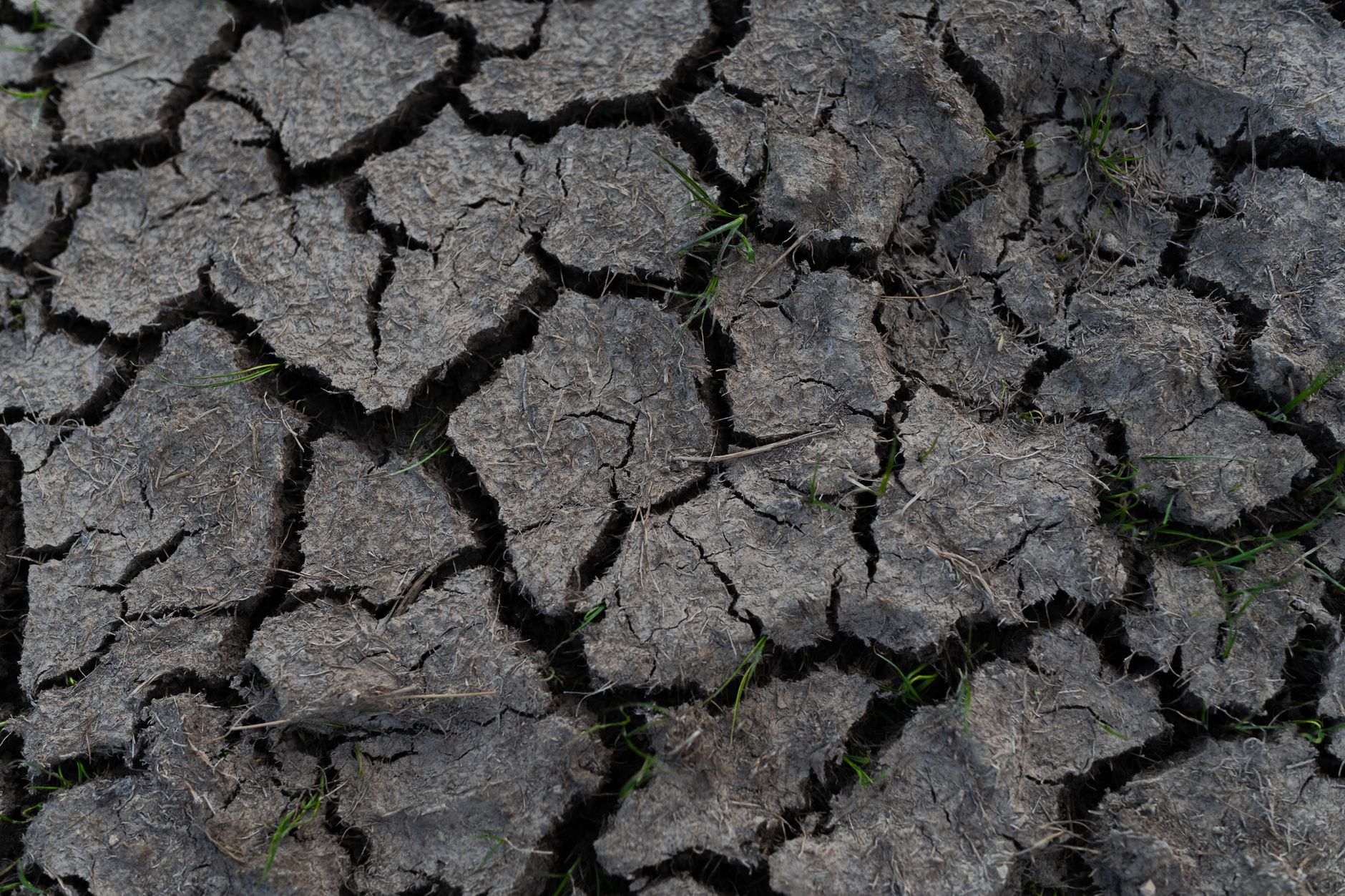
For many Americans, the effects of a prolonged drought aren’t abstract news reports about shrinking reservoirs. They're showing up in grocery bills, insurance premiums, and even the value of their homes. As of late 2023, over 60% of the continental United States is experiencing some level of drought, according to the U.S. Drought Monitor. This isn’t just an environmental crisis; it’s a growing financial one. This article dives deep into the ways drought conditions are impacting the U.S. economy, and more importantly, your finances.
Understanding the Scope of the Drought
The current drought is particularly concerning due to its breadth and persistence. While droughts are a natural part of the climate cycle, climate change is exacerbating their frequency and severity. Key areas affected include the Western United States, the Midwest, and parts of the Southeast.
- Western US: Years of below-average rainfall and record-low snowpack have depleted major water sources like the Colorado River and Lake Mead. This impacts agriculture, hydropower generation, and urban water supplies.
- Midwest: Normally fertile farmland is suffering from dryness, impacting crop yields and raising concerns about food security.
- Southeast: Unusual drought conditions are affecting agriculture and increasing the risk of wildfires.
The Ripple Effect: How Drought Impacts Your Finances
The financial consequences of drought are far-reaching. Here’s a breakdown of key areas where you’re likely to feel the pinch:
1. Food Prices: From Farm to Table
Perhaps the most immediate impact of drought is on food prices. When crops fail due to lack of water, supply decreases, and prices rise.
- Reduced Crop Yields: Key crops like corn, soybeans, wheat, and fruits are all vulnerable to drought. Lower yields mean less supply.
- Livestock Impacts: Drought also affects livestock. Pastureland dries up, forcing farmers to reduce herd sizes or spend more on feed, both of which increase meat and dairy prices.
- Transportation Costs: Lower water levels in rivers like the Mississippi disrupt barge traffic, increasing transportation costs for agricultural products.
Expect to see higher prices at the grocery store for everything from cereal and bread to fresh produce and meat. Consider exploring ways to reduce food waste and optimize your grocery shopping to mitigate these rising costs. Meal planning and using coupons are good starting points. https://example.com/ – a great resource for finding deals on pantry staples.
2. Insurance Costs: Protecting Your Assets (at a Higher Price)
Drought increases risks across various types of insurance.
- Homeowners Insurance: In areas prone to wildfires, exacerbated by drought conditions, homeowners insurance premiums are skyrocketing. Insurance companies are reassessing risk and increasing rates or even refusing to renew policies in high-risk zones.
- Crop Insurance: Farmers rely on crop insurance to protect against yield losses, but premiums are rising as drought-related claims increase.
- Water Damage Insurance: While seemingly counterintuitive, drought can increase the risk of certain water damage events. For example, shifting soil conditions can lead to foundation problems.
3. Mortgage Rates and Property Values: A Drying Market
Drought can significantly impact the housing market, particularly in water-stressed regions.
- Property Value Decline: Homes in areas with limited water access or high wildfire risk may experience a decline in property value. Potential buyers are becoming increasingly aware of these risks.
- Mortgage Availability: Lenders may be hesitant to finance properties in areas with uncertain water futures, or they may require higher down payments.
- Water Rights and Escrow: Water rights are becoming a more critical consideration in real estate transactions, especially in the West. Ensuring clear and secure water rights is essential when buying property.
If you’re considering buying or selling a home in a drought-prone area, factor these risks into your decision-making process.
4. Investment Impacts: Sector-Specific Risks and Opportunities
Drought creates both risks and opportunities for investors.
- Agriculture Industry: Companies involved in agricultural production, processing, and distribution may face challenges due to reduced yields and higher input costs.
- Water Technology: Companies developing water-saving technologies (irrigation systems, desalination plants, water purification) could see increased demand and investment.
- Renewable Energy: Drought can impact hydropower generation, potentially benefiting other renewable energy sources like solar and wind.
- Commodities: Drought can drive up the prices of agricultural commodities, creating trading opportunities.
Diversifying your investment portfolio is crucial to mitigate risks associated with drought and climate change. Consider consulting with a financial advisor to develop a strategy that aligns with your risk tolerance and financial goals.
5. Increased Water Costs and Restrictions: A Direct Hit to Your Bills
Local governments are implementing stricter water restrictions and increasing water rates to conserve dwindling supplies.
- Tiered Water Pricing: Many cities are adopting tiered pricing structures, where water becomes more expensive as usage increases.
- Restrictions on Outdoor Watering: Lawn watering and other non-essential outdoor water uses are often restricted or banned during droughts.
- Investments in Infrastructure: Cities are investing in infrastructure upgrades to improve water efficiency and reduce leaks. These costs are often passed on to consumers through higher water bills.
Long-Term Financial Planning in a Drying World
The financial impacts of drought are likely to become more severe in the years ahead. Here's how to prepare:
- Budgeting and Emergency Fund: Build a robust emergency fund to cover unexpected expenses, such as higher food prices or insurance premiums.
- Water Conservation: Reduce your water consumption at home to lower your water bills and conserve resources. Install water-efficient appliances and fixtures. https://example.com/ – a great source for water-saving showerheads and faucet aerators.
- Insurance Review: Regularly review your insurance policies to ensure adequate coverage and understand your risks.
- Diversify Investments: Diversify your investment portfolio to mitigate risks associated with drought and climate change.
- Stay Informed: Stay informed about drought conditions in your area and the potential financial impacts.
The Future Outlook
The situation is unlikely to improve quickly. Addressing the financial impacts of drought requires a multi-faceted approach involving government policies, technological innovation, and individual responsibility. Investing in water infrastructure, promoting water conservation, and developing drought-resistant crops are all essential steps. As individuals, we must adapt our financial planning and consumption habits to navigate this increasingly uncertain future.
Disclaimer:
This article is for informational purposes only and should not be considered financial advice. The author is not a financial advisor. Always consult with a qualified financial professional before making any investment decisions. Affiliate links are included for products and services we recommend. If you click on a link and make a purchase, we may receive a commission at no extra cost to you.