United Airlines 767 returns to Newark after Bluetooth name sparks alert
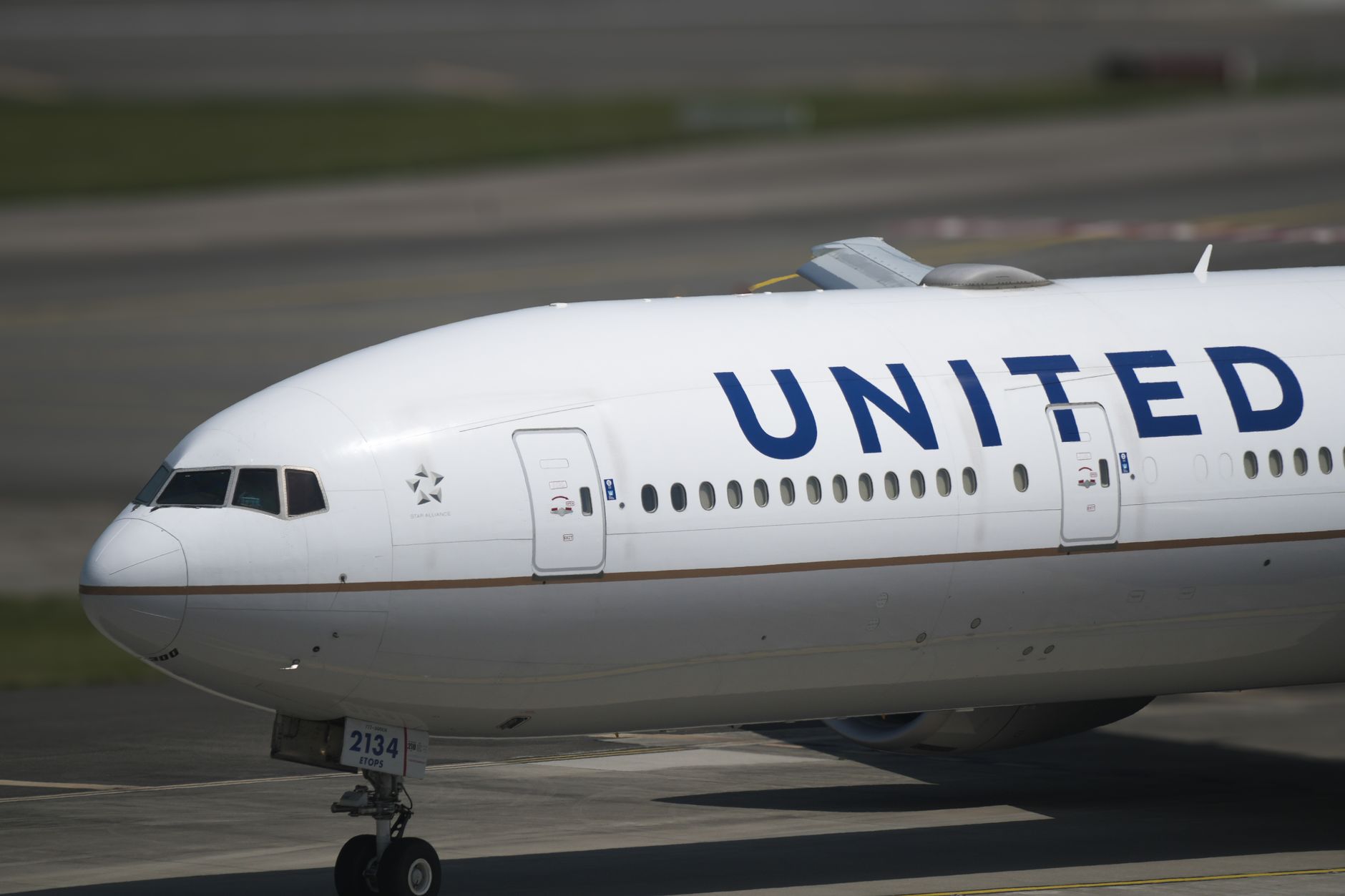
A United Airlines Boeing 767 made an unexpected return to Newark Liberty International Airport on Monday, February 12th, 2024, after a concerning Bluetooth device name was detected on board. The device, identified simply as “Bomb,” triggered a security alert, prompting the flight crew to declare an emergency and return to the gate. While no actual threat materialized, the incident raises important questions about aviation security, cybersecurity vulnerabilities, and the potential financial fallout for United Airlines (UAL) and the wider travel industry. This article will delve into the details of the event, analyze its potential financial impacts, and offer insights for investors navigating these evolving risks.
The Incident: A Bluetooth Device Name & An Emergency Landing
On February 12th, United Airlines Flight 971, a Boeing 767 travelling from Newark to Denver, was approximately 30 minutes into its flight when a Bluetooth device with the name “Bomb” appeared on the aircraft's network. This immediately raised red flags with the flight crew, who followed established security protocols.
The crew alerted air traffic control, declared an emergency, and initiated a turn back to Newark. The flight landed safely around 8:30 PM EST, and passengers disembarked. Law enforcement officials, including the FBI and the Port Authority Police Department, conducted a thorough search of the aircraft.
The investigation quickly revealed that the “Bomb” name originated from a personal Bluetooth speaker brought onto the plane by a passenger. The passenger, a juvenile, was questioned and later released, with authorities stating no criminal charges were filed. However, the incident underscores a critical vulnerability in current security measures. It’s not the device itself that was the threat, but the name it broadcasted, highlighting how easily systems can be triggered by malicious or irresponsible behaviour.
Financial Implications for United Airlines (UAL)
While the immediate incident didn’t result in physical harm, the financial ramifications for United Airlines could be significant, albeit difficult to quantify precisely. Here’s a breakdown of potential costs:
- Disruption Costs: The flight cancellation and subsequent delays for passengers incurred direct costs, including rebooking fees, accommodation expenses, and potential meal vouchers. These costs, while relatively minor for a single flight, can accumulate during peak travel seasons.
- Investigation Costs: The FBI and other law enforcement agencies dedicated resources to investigate the incident, and United Airlines likely incurred internal investigation costs, including staff time and security reviews.
- Reputational Damage: Incidents like this, even if resolved peacefully, can damage an airline's reputation. Potential passengers may be hesitant to fly with United if they perceive a security risk, leading to decreased demand. This is arguably the most substantial long-term risk.
- Stock Market Reaction: The incident caused a temporary dip in United Airlines stock (UAL). While the decline was not dramatic, it demonstrates the market's sensitivity to security concerns. Investors are often quick to react to negative news, even if the long-term impact is uncertain. Understanding market sentiment is crucial for informed investment decisions - consider tools like https://example.com/ to stay updated on market trends.
- Increased Security Measures: United Airlines, and potentially other airlines, may invest in enhanced security protocols to prevent similar incidents. This could include improved Bluetooth scanning technology and increased passenger screening. These investments represent additional capital expenditure.
- Potential Legal Claims: While unlikely in this particular case given the passenger was a minor and no malicious intent was found, airlines can face legal claims from passengers experiencing disruptions or psychological distress due to security incidents.
Cybersecurity & Aviation: A Growing Concern
The United Airlines incident isn’t an isolated case. It highlights a broader trend of increasing cybersecurity vulnerabilities in the aviation industry. Modern aircraft are becoming increasingly connected, relying on complex networks for communication, navigation, and entertainment. This connectivity introduces potential entry points for malicious actors.
- Bluetooth Vulnerabilities: The incident demonstrates the potential for misuse of Bluetooth technology. While Bluetooth is generally safe, its broadcasting capabilities can be exploited for malicious purposes.
- Wi-Fi Security: Airline Wi-Fi networks also present security risks. These networks can be vulnerable to hacking, potentially allowing access to sensitive aircraft systems.
- In-Flight Entertainment Systems: In-flight entertainment systems are often connected to the aircraft's network and can be exploited to gain access to other systems.
- IoT Devices: The proliferation of Internet of Things (IoT) devices on aircraft (sensors, maintenance systems, etc.) further expands the attack surface.
Addressing these vulnerabilities requires a multi-faceted approach:
- Enhanced Network Segmentation: Isolating critical aircraft systems from passenger-facing networks (like Wi-Fi and in-flight entertainment) can limit the potential impact of a security breach.
- Robust Intrusion Detection Systems: Implementing real-time monitoring and intrusion detection systems can help identify and respond to security threats.
- Regular Security Audits & Penetration Testing: Regularly assessing security vulnerabilities and conducting penetration testing can help identify and address weaknesses before they are exploited.
- Employee Training: Training flight crews and ground staff on cybersecurity best practices is essential.
- Stronger Regulation: Increased regulatory oversight of aviation cybersecurity is needed to ensure airlines are taking adequate security measures.
Investor Takeaways & Risk Management
The United Airlines incident serves as a reminder that security risks are a significant factor in the travel industry. Investors in airline stocks need to consider these risks when making investment decisions.
- Diversification: Don't put all your eggs in one basket. Diversify your investment portfolio across different sectors to mitigate risk.
- Risk Assessment: Carefully assess the security posture of airlines before investing. Look for companies that are proactively investing in cybersecurity measures.
- Long-Term Perspective: Security incidents can cause short-term stock dips, but long-term investment success requires a focus on a company’s overall fundamentals.
- Monitor Industry Trends: Stay informed about emerging cybersecurity threats and industry best practices.
- Consider Travel Insurance: For individual travelers, comprehensive travel insurance that covers disruptions due to security incidents is a prudent investment. https://example.com/ offers a comparison of travel insurance plans.
Table: Potential Security Risk Factors for Airline Stocks
| Risk Factor | Description | Potential Impact |
|---|---|---| | Cybersecurity Breaches | Hacking of aircraft systems, data breaches | Reputational damage, financial losses, regulatory fines | | Terrorist Threats | Potential for attacks on aircraft or airports | Significant disruption, loss of life, economic impact | | Geopolitical Instability | Conflicts, political unrest | Disruption of flight routes, increased security costs | | Natural Disasters | Hurricanes, earthquakes, volcanic eruptions | Flight cancellations, airport closures | | Pandemic Outbreaks | Spread of infectious diseases | Travel restrictions, reduced demand |
The Future of Aviation Security
The incident on United Airlines flight 971 is a wake-up call. While the current incident was a false alarm, it highlights a critical gap in aviation security. The industry needs to proactively address the evolving cybersecurity landscape and invest in technologies and protocols to protect against potential threats.
Future security measures may include:
- AI-Powered Threat Detection: Using artificial intelligence to analyze network traffic and identify suspicious activity.
- Biometric Authentication: Implementing biometric authentication for passengers and crew members.
- Blockchain Technology: Utilizing blockchain to secure aircraft data and prevent tampering.
- Advanced Bluetooth Scanning: Developing technology to identify and block malicious Bluetooth devices.
Disclaimer
This article is for informational purposes only and should not be considered financial advice. The author is not a financial advisor. Investing in the stock market involves risks, and you could lose money. Always conduct your own research and consult with a qualified financial advisor before making any investment decisions. The affiliate links contained in this article may result in a commission to the author if you make a purchase through those links. This does not influence the editorial content of this article.