Meta data center water discharges suspended for contaminating water supply
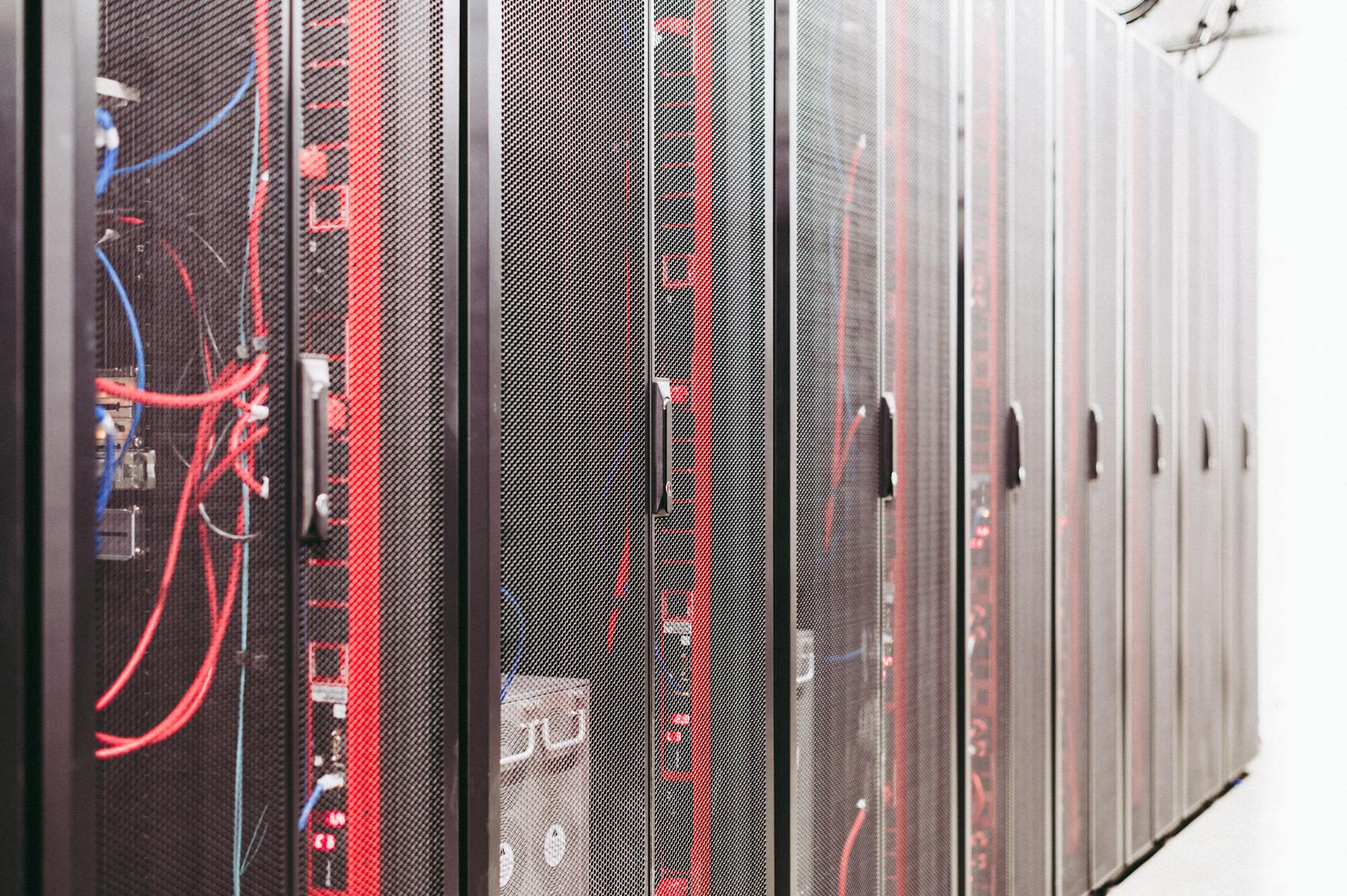
The recent suspension of water discharges from Meta’s data centers, following concerns about contamination and exceeding permitted levels, isn't just an environmental story. It’s a stark reminder of the growing financial risks associated with environmental, social, and governance (ESG) factors, particularly for technology companies heavily reliant on resource-intensive infrastructure. This article dives deep into the financial implications of the situation for Meta, its investors, and the broader tech landscape.
The Core Issue: Contamination & Suspension
For context, reports surfaced indicating that Meta’s data centers in several locations were discharging water containing elevated levels of pollutants. These discharges exceeded permitted limits set by environmental regulators, raising concerns about the impact on local water supplies and ecosystems. As a result, Meta proactively suspended some of these discharges, opting for alternative cooling methods – a costly and disruptive move.
*Image suggestion: A photo of a Meta data center exterior, with a slightly desaturated color scheme to evoke a sense of concern.
The immediate problem is compliance. Violating environmental regulations can lead to substantial fines, legal battles, and damage to a company’s reputation. But the consequences extend far beyond these direct costs.
Financial Impacts on Meta: A Multi-Layered Analysis
The ramifications for Meta are numerous and span several financial areas. Here's a breakdown:
- Increased Operational Costs: The suspension of water discharge necessitates a shift to alternative cooling technologies. These technologies, like air cooling or closed-loop systems, are generally more expensive to operate than the previously used methods. This translates directly into higher energy bills and increased maintenance costs. Data centers are already significant energy consumers; adding to this expense impacts profitability.
- Capital Expenditure (CAPEX) Increases: Long-term, Meta will likely need to invest in permanent solutions to address the water discharge issue. This could involve installing advanced water treatment facilities, completely overhauling cooling systems, or even relocating data centers to areas with more sustainable water resources. These are significant capital expenditures that will impact future financial performance.
- Potential Fines & Legal Liabilities: The investigations are ongoing, but the potential for substantial fines from regulatory bodies is real. Furthermore, Meta could face lawsuits from communities or individuals impacted by the contaminated water. Legal settlements and associated legal fees can quickly add up.
- Reputational Damage & Brand Value: A negative environmental reputation can erode brand value and consumer trust. While Meta’s core business isn’t directly consumer-facing in the same way as, say, a retail company, public perception still matters, particularly when it comes to attracting and retaining talent, and maintaining positive relationships with policymakers.
- Impact on Stock Price: Investors are increasingly factoring ESG risks into their investment decisions. Negative environmental news can lead to a sell-off of stock, as investors worry about the long-term financial stability of the company. We've already seen some analyst downgrades following the news, and volatility in Meta's stock price. Looking for tools to track market sentiment? Consider a financial news aggregator - https://example.com/.
The Broader ESG Investing Landscape and Tech Infrastructure
This incident highlights a critical shift in the investment world. ESG investing – investing based on environmental, social, and governance factors – is no longer a niche trend. It’s becoming mainstream.
- Increased Scrutiny of Tech Giants: Technology companies, particularly those with large data center footprints, are facing increasing scrutiny from ESG investors. Data centers require massive amounts of energy and water, and their environmental impact is significant. This incident serves as a case study for the risks involved.
- Rise of Sustainable Infrastructure Investments: Conversely, this situation is likely to fuel increased investment in sustainable data center technologies and infrastructure. Companies developing innovative cooling solutions, water treatment technologies, and renewable energy sources for data centers stand to benefit.
- Demand for Transparency: Investors are demanding greater transparency from companies regarding their environmental impact and sustainability efforts. This includes detailed reporting on water usage, energy consumption, and waste management practices.
The Water-Energy Nexus: A Critical Consideration
Data centers require both water and energy to operate efficiently. The relationship between the two – the water-energy nexus – is becoming increasingly important. Cooling systems, often reliant on water, are also significant energy consumers. Therefore, optimizing water usage directly impacts energy consumption and overall operational costs.
| Cooling Technology | Water Usage | Energy Usage | Cost (relative) | Environmental Impact |
|---|---|---|---|---|
| Once-Through Cooling | High | Moderate | Low | High (water contamination risk) |
| Evaporative Cooling | Moderate | High | Moderate | Moderate (water consumption) |
| Air Cooling | Low | Very High | High | Low (water consumption) |
| Closed-Loop Cooling | Very Low | Moderate | High | Low (water consumption, but potentially higher energy) |
*Image suggestion: A table illustrating the trade-offs between different data center cooling technologies.
The challenge for data center operators is to find the right balance between water usage, energy consumption, and cost-effectiveness.
Implications for Future Data Center Development
The Meta situation raises important questions about the future of data center development:
- Location, Location, Location: Data center locations will be increasingly influenced by water availability and environmental regulations. Areas with limited water resources or strict environmental standards may become less attractive for data center development.
- Sustainable Design Standards: We can expect to see a push for more sustainable data center designs, incorporating features such as water recycling systems, renewable energy sources, and optimized cooling technologies.
- Government Regulation: Governments may introduce stricter regulations on data center water usage and discharges, forcing operators to adopt more sustainable practices.
- Edge Computing & Distributed Infrastructure: The rise of edge computing – processing data closer to the source – could potentially reduce the need for large, centralized data centers, lessening the overall environmental impact.
Investment Opportunities & Risk Mitigation
For investors, this situation presents both risks and opportunities.
- Divestment from Non-Sustainable Companies: Investors increasingly sensitive to ESG risks might consider divesting from companies with poor environmental track records.
- Investment in Sustainable Tech: Investing in companies developing sustainable data center technologies – such as water treatment solutions, renewable energy sources, and energy-efficient cooling systems – could offer attractive returns. For research on cleantech investments, consider a subscription service - https://example.com/.
- Due Diligence & ESG Risk Assessment: Thorough due diligence and ESG risk assessment are crucial when evaluating investments in the tech sector. Investors need to understand a company’s environmental impact and sustainability practices.
- Engagement with Companies: Active engagement with companies, pushing for greater transparency and sustainable practices, can also be a valuable strategy.
Looking Ahead: A Call for Proactive Environmental Management
The Meta data center water discharge incident serves as a cautionary tale. It demonstrates that environmental risks are not just ethical concerns; they are material financial risks. Companies, particularly those in resource-intensive industries like technology, must prioritize proactive environmental management and invest in sustainable infrastructure to mitigate these risks and ensure long-term financial stability. Ignoring these concerns isn’t just irresponsible – it’s bad business.
Disclaimer:
I am an AI chatbot and cannot provide financial advice. This article is for informational purposes only and should not be considered a recommendation to buy or sell any securities. The affiliate links provided are for products I recommend based on their potential usefulness, and I may receive a commission if you make a purchase through those links. Please conduct your own research and consult with a qualified financial advisor before making any investment decisions.