New York becomes the first state to impose a data center moratorium
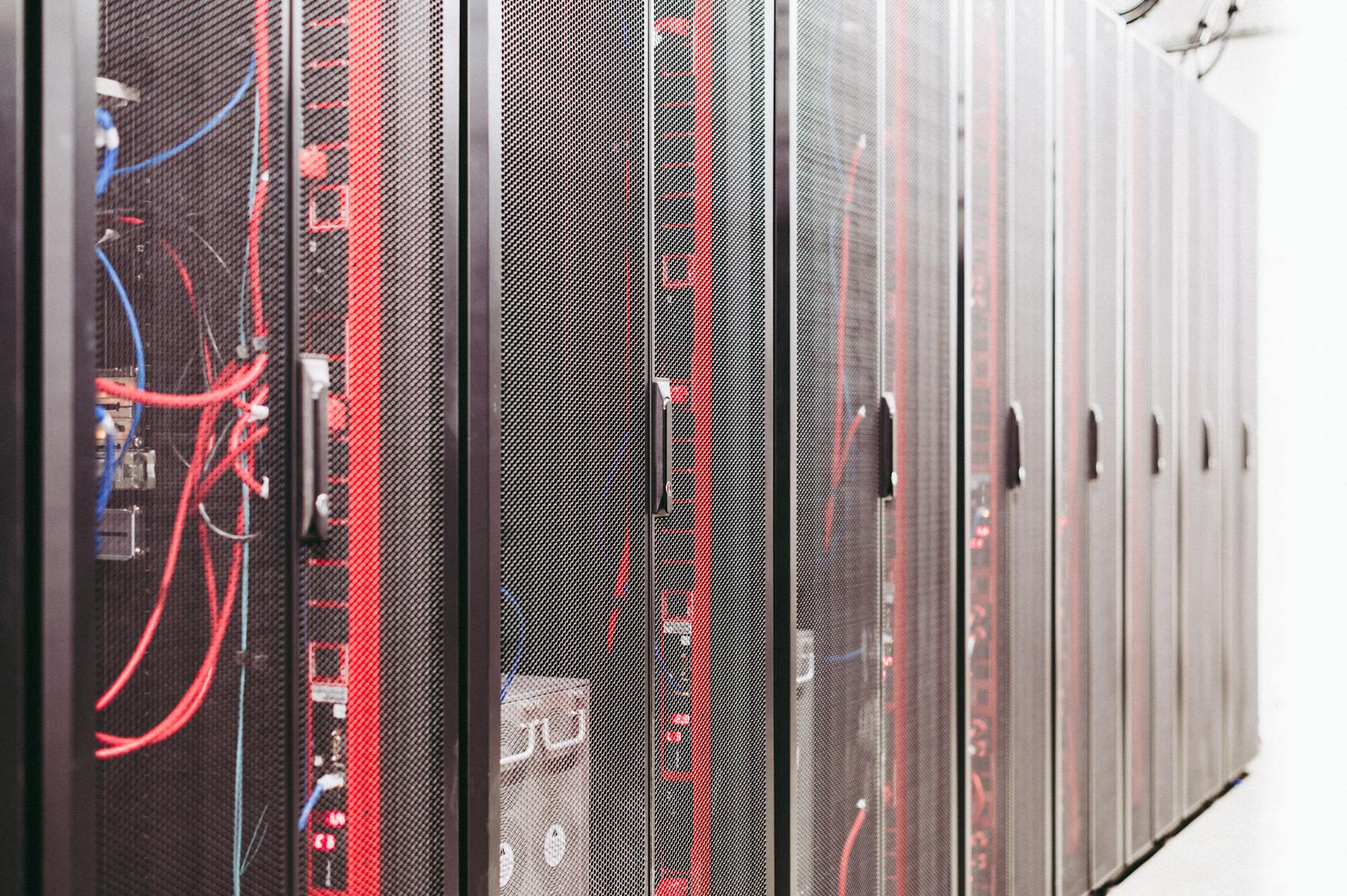
New York State has sent shockwaves through the technology and financial industries with a first-of-its-kind decision: a moratorium on new data center approvals. This isn't a temporary slowdown; it's a full stop on permits for facilities consuming over 20 megawatts of power, lasting until an environmental impact study is completed – a process that could take up to a year. This decision raises critical questions about the future of digital infrastructure, energy policy, and the financial ramifications for companies reliant on massive computing power. This article dives deep into the reasons behind the moratorium, its potential consequences, and what it signifies for the broader financial landscape.
The Core of the Issue: Energy Consumption and Environmental Concerns
The driving force behind New York's unprecedented move is mounting concern over the significant energy demands of data centers. These sprawling facilities, essential for cloud computing, artificial intelligence, and increasingly, cryptocurrency mining, are notorious energy hogs. New York, like many states, is striving to meet ambitious climate goals and reduce its carbon footprint. The state’s electricity grid, while increasingly reliant on renewables, still contains a significant portion of fossil fuel-based power generation.
The moratorium isn't a blanket ban on all data center development. Existing facilities and those using less than 20 megawatts are unaffected. However, the threshold is significant, impacting large-scale projects and those involved in energy-intensive operations like Proof-of-Work cryptocurrency mining (think Bitcoin).
Here’s a breakdown of the key contributing factors:
- Rising Energy Costs: New York has seen a surge in electricity prices, and data centers, with their relentless energy needs, are putting further strain on the grid.
- Cryptocurrency Mining Criticism: The intense energy consumption of cryptocurrency mining, particularly Bitcoin, has faced substantial public backlash. New York officials specifically cited the environmental impact of "Proof-of-Work" digital asset mining as a primary driver of the decision.
- Sustainability Goals: New York aims to achieve 100% zero-emission electricity by 2040. The state’s leadership believes unchecked data center growth could hinder this progress.
- Lake Ontario Cooling Concerns: A significant number of data centers in New York State are located near Lake Ontario. Concerns have been raised regarding the amount of water used for cooling and the potential impact on the lake’s ecosystem.
Financial Implications: Who Stands to Lose (and Possibly Gain)?
The financial ramifications of this moratorium are far-reaching, impacting a diverse array of stakeholders.
Negative Impacts:
- Data Center Operators: The most immediate impact falls on companies planning to build new, large-scale data centers in New York. Projects are stalled, investments are frozen, and future expansion plans are thrown into uncertainty. This includes major players like Digital Realty, Equinix, and CyrusOne.
- Cryptocurrency Miners: This moratorium is particularly devastating for cryptocurrency mining operations. New York has been a relatively attractive location due to its access to hydropower, but the freeze effectively shuts the door on new mining facilities. Existing miners may face increased scrutiny and potential restrictions.
- Financial Institutions: Many financial institutions rely heavily on data centers for high-frequency trading, data analytics, and secure data storage. Limited capacity in New York could increase operational costs or force them to explore alternative locations.
- Technology Companies: Cloud service providers (AWS, Google Cloud, Microsoft Azure) that were planning expansions in New York will need to reassess their strategies. Delays could impact their ability to meet growing customer demand.
- Real Estate: The moratorium could impact real estate values in areas favored for data center development, potentially leading to a decline in investment and job creation.
Potential (Indirect) Benefits:
- States with More Favorable Regulations: States with less stringent regulations and abundant, affordable energy could see an influx of data center investment. Texas, North Carolina, and Virginia are often cited as potential beneficiaries.
- Renewable Energy Providers: Increased demand for renewable energy sources in other states could benefit companies specializing in solar, wind, and hydro power.
- Energy Efficiency Technology Companies: The push for greater sustainability could spur innovation and demand for energy-efficient data center technologies, such as advanced cooling systems and optimized power management solutions. Consider solutions like liquid cooling, which dramatically reduces energy usage. [AFFILIATE_LINK_AMAZON_PRODUCT - Link to a liquid cooling product for data centers].
- Companies Focused on Alternative Consensus Mechanisms: Blockchain projects that utilize more energy-efficient consensus mechanisms than Proof-of-Work (e.g., Proof-of-Stake) might see increased investor interest.
A Deeper Dive: The Regulatory Landscape and Potential Outcomes
The New York State Department of Environmental Conservation (DEC) is responsible for conducting the environmental impact study. This study will assess the cumulative environmental impacts of data centers, focusing on:
- Greenhouse Gas Emissions: A thorough analysis of the carbon footprint associated with data center operations.
- Water Usage: Evaluating the impact on water resources, particularly for cooling purposes.
- Grid Stability: Determining whether data center demand is straining the electrical grid.
- Land Use: Assessing the environmental consequences of converting land for data center development.
The moratorium’s duration is directly tied to the completion of this study. While a one-year timeframe is anticipated, there’s potential for extension if the DEC requires more time.
Possible Outcomes of the Study:
- Stricter Regulations: The DEC could impose more stringent regulations on data center operations, including requirements for renewable energy sourcing, water conservation, and energy efficiency.
- Moratorium Extension: If the study reveals significant environmental concerns, the moratorium could be extended indefinitely.
- Localized Restrictions: The DEC might implement localized restrictions, targeting specific regions with particularly vulnerable ecosystems or overloaded grids.
- No Significant Changes: While unlikely given the current climate, the study could conclude that the environmental impacts are manageable with existing regulations.
The Broader Implications for the Future of Digital Infrastructure
New York’s decision isn't an isolated incident. It reflects a growing global awareness of the environmental cost of the digital economy. Other states and countries are likely to follow suit, implementing stricter regulations on data center energy consumption. This creates a critical juncture for the industry, forcing it to prioritize sustainability.
Key Trends to Watch:
- Green Data Centers: A surge in demand for “green data centers” powered by renewable energy sources. Data center providers will need to invest heavily in sustainability initiatives to attract customers and meet regulatory requirements.
- Edge Computing: The rise of edge computing, which brings data processing closer to the end-user, reducing latency and potentially lowering energy consumption.
- Energy-Efficient Hardware: Development of more energy-efficient servers, cooling systems, and networking equipment.
- Alternative Cooling Technologies: Increased adoption of innovative cooling technologies like liquid immersion cooling and free cooling (using outside air).
- Focus on ESG (Environmental, Social, and Governance): Investors are increasingly scrutinizing companies' ESG performance, putting pressure on data center operators to demonstrate their commitment to sustainability.
Preparing for the New Reality: A Financial Checklist
For businesses reliant on data center infrastructure, here’s a quick checklist:
| Action Item | Description | Priority |
|---|---|---| | Assess Current Energy Usage | Conduct a thorough audit of your data center energy consumption. | High | | Explore Renewable Energy Options | Investigate opportunities to source renewable energy for your operations. | High | | Optimize Server Utilization | Improve server utilization rates to reduce energy waste. | Medium | | Implement Energy-Efficient Cooling | Upgrade your cooling systems to more efficient technologies. | Medium | | Monitor Regulatory Developments | Stay informed about evolving data center regulations in your target markets. | High | | Diversify Infrastructure Locations | Consider diversifying your data center infrastructure across multiple locations. | Medium | | Review Contractual Agreements | Assess the impact of the moratorium on existing and future contractual agreements. | High |
New York’s data center moratorium is a watershed moment. It’s a clear signal that the era of unchecked data center growth is over. The future demands a more sustainable approach to digital infrastructure, and companies that proactively adapt will be best positioned to thrive in the evolving landscape.
Disclaimer:
This article contains affiliate links to products or services. We may receive a commission if you click on a link and make a purchase. This does not affect the price you pay. We only recommend products and services that we believe are valuable and relevant to our readers.