Wind and solar generated more power than gas globally in April 2026
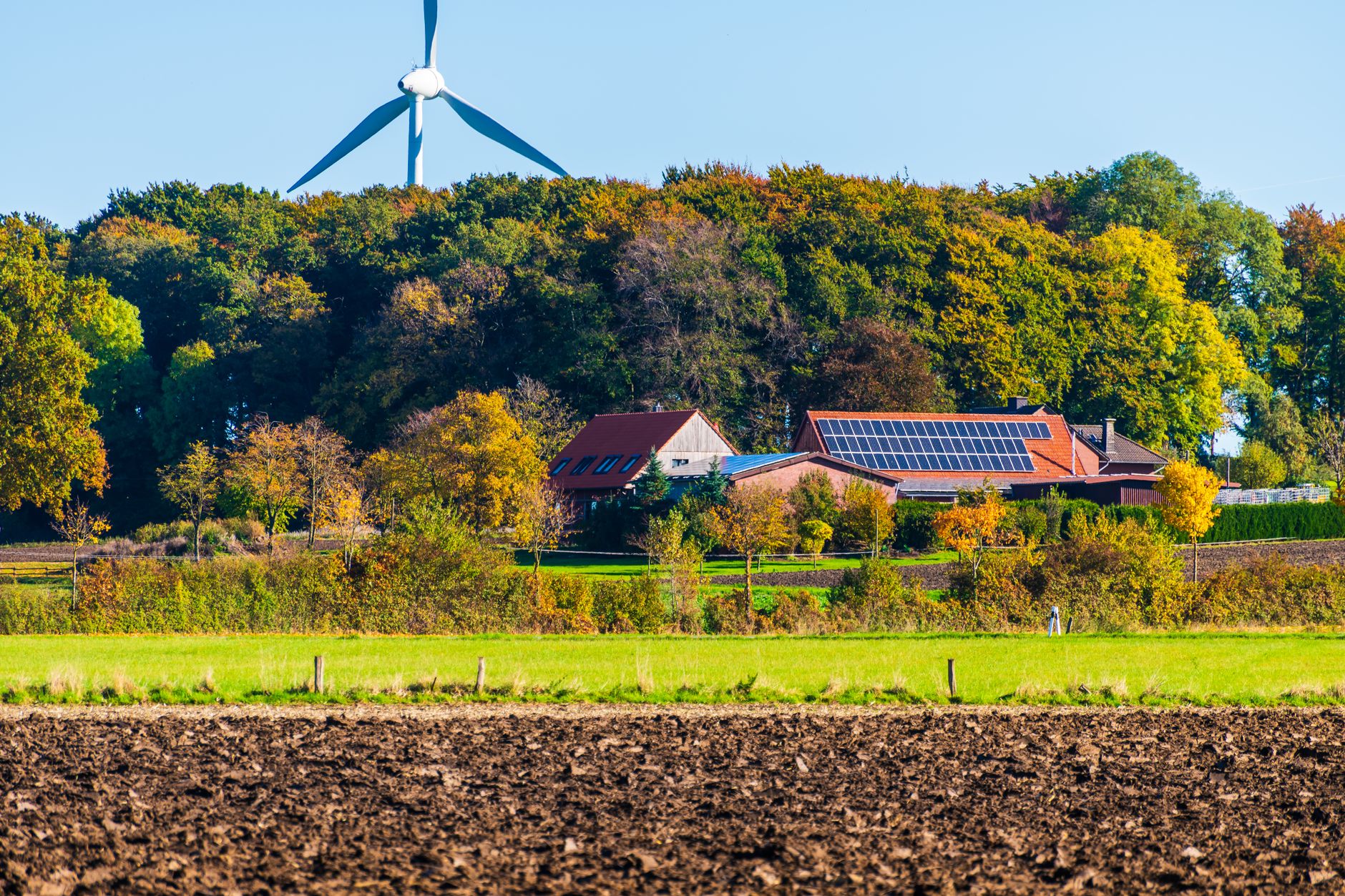
April 2026 marked a pivotal moment in the global energy transition: for the first time, wind and solar power generation collectively surpassed that of natural gas. This wasn’t a localized event, but a global trend, confirmed by data from the International Energy Agency (IEA) and Ember. This milestone isn’t simply an environmental victory; it represents a substantial financial shift, creating new investment opportunities and challenging existing energy market dynamics. This article will delve into the factors driving this change, the financial implications for investors, and what this means for the future of energy finance.
The Rise of Renewables: A Decade in the Making
The transition to renewables hasn’t been sudden. It’s the culmination of over a decade of declining costs, technological advancements, and increasingly stringent climate policies. Here’s a breakdown of the key drivers:
- Falling Costs: The levelized cost of energy (LCOE) for both wind and solar has plummeted over the past ten years. Solar, in particular, has experienced dramatic cost reductions, making it competitive with, and often cheaper than, fossil fuel-based generation.
- Technological Innovation: Improvements in turbine technology, solar panel efficiency, and energy storage solutions (like batteries) have significantly enhanced the reliability and output of renewable sources.
- Government Policies: Feed-in tariffs, renewable portfolio standards, tax incentives, and carbon pricing mechanisms have all spurred investment in renewable energy projects. The Inflation Reduction Act in the US, and similar policies in Europe and Asia, provided significant long-term certainty for investors.
- Corporate Demand: Increasingly, corporations are setting ambitious renewable energy targets, driven by both sustainability goals and the desire to hedge against future fossil fuel price volatility. Power Purchase Agreements (PPAs) between corporations and renewable energy developers have become increasingly common.
- Public Awareness: Growing public awareness of climate change and the benefits of clean energy have created political pressure for a faster transition.
April 2026: The Tipping Point
While renewables have been gaining ground for years, April 2026 represented the point where combined wind and solar output definitively exceeded global gas-fired power generation. Several factors converged to create this outcome:
- Strong Wind Conditions: April 2026 experienced particularly strong wind conditions in key regions like Europe and North America, leading to higher-than-average wind power output.
- Sunny Weather: Simultaneously, many regions enjoyed periods of exceptionally sunny weather, maximizing solar power generation.
- Gas Price Volatility: Geopolitical tensions and supply chain disruptions continued to contribute to volatility in global gas prices, making gas-fired power generation more expensive and less attractive.
- Continued Renewable Capacity Additions: The relentless pace of renewable energy installations continued, adding significant new capacity to the grid.
- Reduced Demand: Milder weather conditions in certain regions reduced overall electricity demand, lessening the need for gas-fired peaking plants.
Financial Implications: A New Landscape for Investors
This shift in power generation has profound implications for the financial world. Here are some key areas to consider:
Opportunities in Renewable Energy
The increased dominance of renewables presents a wealth of investment opportunities.
- Renewable Energy Developers: Companies involved in developing, constructing, and operating wind and solar farms are poised for continued growth. https://example.com/ - Consider investing in exchange-traded funds (ETFs) focused on renewable energy developers.
- Energy Storage: The intermittent nature of wind and solar requires robust energy storage solutions. Companies specializing in battery technology, pumped hydro storage, and other storage technologies will see increased demand.
- Grid Infrastructure: Upgrading and expanding grid infrastructure is crucial to accommodate the influx of renewable energy. Investment in smart grids, transmission lines, and distribution networks is essential.
- Green Bonds: Demand for green bonds, used to finance environmentally friendly projects, is expected to continue growing as investors increasingly prioritize ESG (Environmental, Social, and Governance) considerations.
- Hydrogen Production: Green hydrogen, produced using renewable energy, is emerging as a promising energy carrier. Companies involved in hydrogen production, storage, and transportation could see significant growth.
Risks to Traditional Energy Investments
The rise of renewables poses significant risks to traditional energy investments.
- Declining Demand for Gas: As renewables continue to gain market share, demand for natural gas is likely to decline, putting downward pressure on gas prices and impacting the profitability of gas-fired power plants.
- Stranded Assets: Fossil fuel assets, such as coal mines and oil wells, could become “stranded” – economically unviable before the end of their useful life – as the world transitions to cleaner energy sources.
- Reduced Returns from Utilities: Utilities heavily reliant on fossil fuels may face declining revenues and reduced returns on investment.
- Regulatory Risks: Increasingly stringent environmental regulations and carbon pricing mechanisms could further disadvantage fossil fuel companies.
Impact on Energy Markets and Trading
The increasing prevalence of intermittent renewables is reshaping energy markets and trading patterns.
- Volatility: The inherent variability of wind and solar power can lead to increased price volatility in wholesale electricity markets.
- Demand Response: Demand response programs, which incentivize consumers to adjust their electricity consumption based on grid conditions, are becoming increasingly important for managing the variability of renewables.
- Virtual Power Plants (VPPs): VPPs, which aggregate distributed energy resources (such as rooftop solar panels and battery storage systems) into a virtual power plant, are gaining traction as a way to provide grid services.
- Real-Time Pricing: Real-time pricing mechanisms, which reflect the actual cost of electricity at any given moment, are becoming more common.
Regional Variations & Future Outlook
The transition to renewables is not uniform across the globe.
- Europe: Leading the charge, Europe has made significant strides in renewable energy adoption, driven by ambitious climate targets and strong government support.
- North America: The US, bolstered by the Inflation Reduction Act, is experiencing rapid growth in renewable energy investment. Canada is also making substantial investments in hydro and wind power.
- Asia: China is the world's largest investor in renewable energy, driven by concerns about air pollution and energy security. India is also rapidly expanding its renewable energy capacity.
- Developing Countries: Many developing countries are leapfrogging fossil fuels and embracing renewables as a cost-effective and sustainable way to meet their growing energy needs. However, access to financing remains a significant challenge.
Looking ahead, the trend of renewables overtaking gas is expected to continue. The IEA projects that renewables will account for almost 95% of the increase in global power capacity through 2026, and will become the dominant source of electricity generation by the early 2030s. Further innovations in energy storage, grid infrastructure, and hydrogen technology will accelerate this transition.
https://example.com/ - Consider researching energy sector ETFs to diversify your investment portfolio in this evolving landscape.
Disclaimer
Affiliate Disclosure: This article contains affiliate links. If you purchase a product or service through these links, we may receive a commission. This commission does not affect the price you pay. We recommend you conduct thorough research before making any investment decisions. The information provided in this article is for general informational purposes only and does not constitute financial advice.*