What Ozempic does to the gut-brain axis
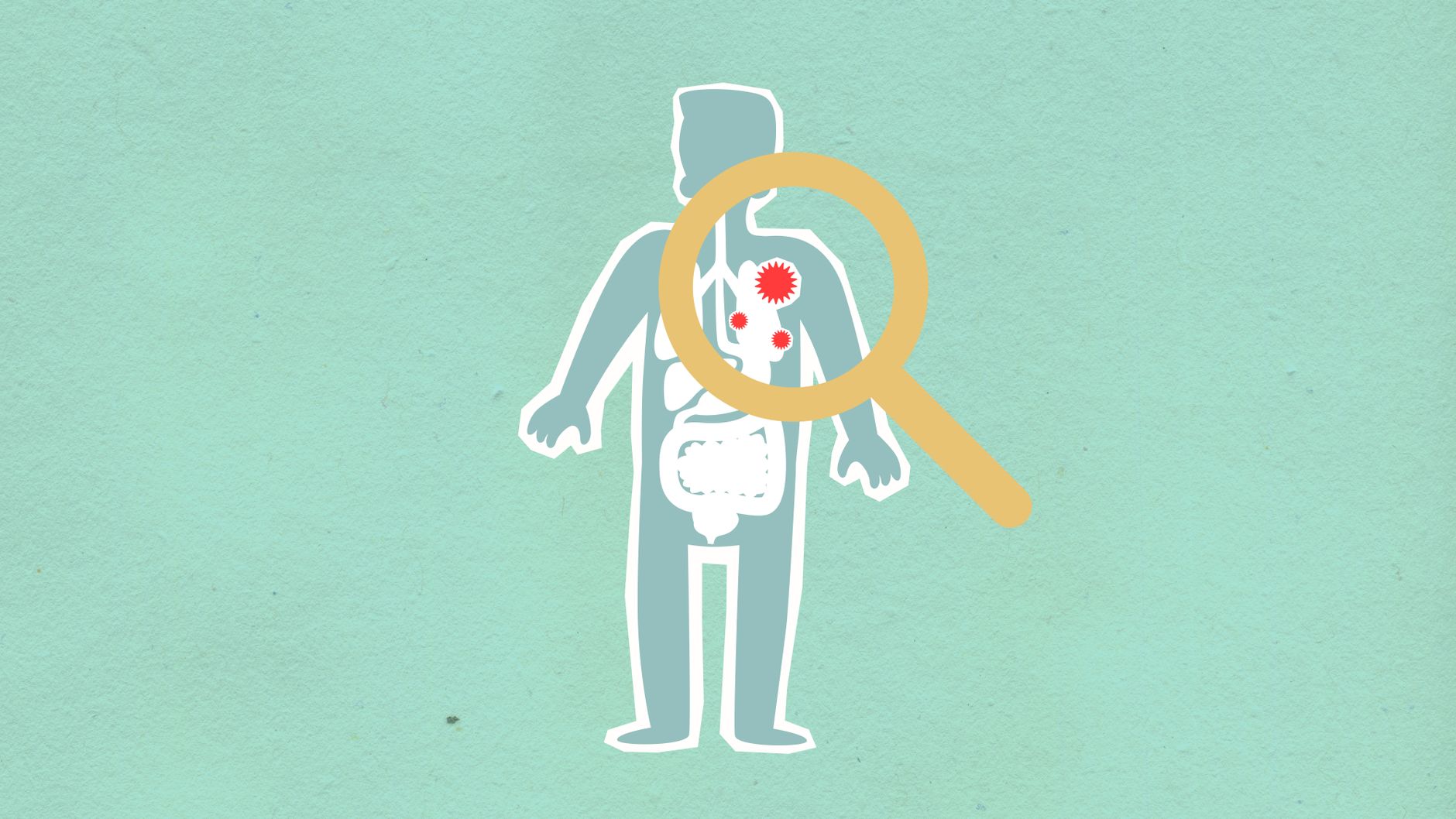
Ozempic, initially designed for managing type 2 diabetes, has exploded in popularity as a weight loss drug. But beyond the immediate effects on your body and the price tag of the medication itself, a far more subtle – yet potentially significant – impact is unfolding: its influence on the gut-brain axis and, consequently, your financial wellbeing. This article delves into the intricate relationship between Ozempic, gut health, brain function, and your economic future. We’ll explore how this drug, and the ripple effects of its use, can influence everything from productivity and career prospects to long-term healthcare costs.
The Gut-Brain Axis: A Two-Way Street
Before we dive into Ozempic, let’s understand the gut-brain axis. This isn’t just a clever phrase; it’s a complex, bidirectional communication network linking your gut (often called your “second brain”) to your central nervous system.
- The Gut Sends Signals: Trillions of bacteria in your gut microbiome produce neurotransmitters – chemicals that influence mood, appetite, and cognitive function. They also impact the immune system, and inflammation levels.
- The Brain Sends Signals Back: Stress, anxiety, and even your thoughts can directly affect gut motility (how food moves through your digestive system) and the composition of your microbiome.
This constant dialogue is crucial for overall health. A healthy gut contributes to a healthy mind, and vice versa. Disruptions in this axis have been linked to a range of conditions, including anxiety, depression, irritable bowel syndrome (IBS), and even neurodegenerative diseases. This is where Ozempic's action becomes particularly interesting.
How Ozempic Impacts the Gut Microbiome
Ozempic (semaglutide) is a GLP-1 receptor agonist. Originally used to treat type 2 diabetes, it works by mimicking a natural hormone that stimulates insulin release and suppresses appetite. However, GLP-1 receptors aren’t just in the pancreas. They’re also found in the gut, brain, and other organs.
Here's how Ozempic influences the gut:
- Reduced Food Intake: The most obvious effect is decreased appetite. This leads to lower food consumption, potentially altering the types of bacteria that thrive in the gut.
- Changes in Gut Motility: Ozempic slows down gastric emptying – how quickly food leaves the stomach. This altered digestive process impacts the gut environment, influencing which microbes flourish.
- Microbiome Shifts: Research is ongoing, but studies suggest Ozempic can lead to changes in the diversity and composition of the gut microbiome. Some studies suggest a reduction in certain bacterial species. These shifts aren’t necessarily “bad” in all cases, but the long-term consequences are still being investigated.
- Potential for Dysbiosis: A significant alteration in gut microbiome composition (dysbiosis) can lead to inflammation and negatively impact the gut-brain axis.
The Financial Implications: A Surprisingly Deep Connection
Okay, so Ozempic affects your gut. What does that have to do with your finances? The connection is multifaceted, extending beyond the direct cost of the medication.
1. Productivity and Cognitive Function
A healthy gut-brain axis is essential for optimal cognitive function – focus, memory, decision-making. Disruptions can lead to brain fog, decreased concentration, and impaired productivity.
- Short-Term Effects: If Ozempic-induced gut microbiome changes cause temporary cognitive impairment, it can negatively affect work performance, potentially leading to lost income or missed opportunities.
- Long-Term Effects: Chronic dysbiosis resulting from prolonged medication use could contribute to more significant cognitive issues over time. While research is still emerging, this could potentially impact earning potential later in life.
2. Healthcare Costs Beyond Ozempic
Ozempic addresses weight and blood sugar, but it's not a cure-all. Consider these factors:
- Potential Nutrient Deficiencies: Reduced food intake, particularly if not carefully managed with nutritional guidance, can lead to nutrient deficiencies. These deficiencies require additional supplements or medical intervention – adding to healthcare expenses.
- Rebound Weight Gain: If Ozempic is stopped without sustained lifestyle changes, rebound weight gain is common. This restarts the cycle of weight-related health problems, further increasing healthcare costs.
- Underlying Health Issues: Ozempic addresses symptoms but doesn't necessarily fix the root causes of weight gain and metabolic dysfunction. Addressing those underlying issues (e.g., through diet, exercise, stress management) is crucial for long-term health and cost savings.
3. The Cost of Convenience vs. Long-Term Investment
Ozempic offers a relatively quick path to weight loss. But is it a financially sound investment?
| Expense | Short-Term Cost | Long-Term Cost |
|-----------------------------|------------------|------------------| | Ozempic Medication | $900 - $1600/month | Potential for prolonged use & dependence | | Nutritional Counseling | $100 - $300/session | Essential for mitigating nutrient deficiencies & sustainable lifestyle changes | | Exercise/Gym Membership | $50 - $200/month | Long-term health benefits & reduced healthcare costs | | Healthy Food | Variable | Investment in preventative health | | Potential Healthcare Costs (related to Ozempic side effects/discontinuation) | Variable | Could be substantial|
This table illustrates the trade-offs. While Ozempic has a significant upfront cost, investing in a holistic approach to health – including nutrition and exercise – can yield greater long-term financial benefits by preventing chronic diseases and promoting sustained wellbeing.
4. Impact on Insurance & Premiums
The increasing use of Ozempic and similar drugs is already impacting health insurance premiums. As demand rises and healthcare systems grapple with the costs, premiums are likely to increase for everyone, not just those using the medication.
Mitigation Strategies: Protecting Your Financial Wellbeing
So, what can you do to navigate this complex landscape?
- Prioritize a Holistic Approach: Don’t rely solely on medication. Focus on sustainable lifestyle changes – a balanced diet, regular exercise, stress management, and adequate sleep. https://example.com/ offers a variety of fitness trackers and healthy eating resources.
- Work with Healthcare Professionals: Partner with a doctor and a registered dietitian to develop a personalized plan that addresses your individual needs and minimizes potential side effects.
- Consider Gut Health Support: Explore strategies to support your gut microbiome, such as consuming probiotic-rich foods (yogurt, kefir, sauerkraut) and prebiotic fibers (fruits, vegetables, whole grains). https://example.com/ has a selection of probiotic supplements (always consult your doctor before starting any new supplement regime).
- Long-Term Financial Planning: Factor potential healthcare costs into your financial planning. Consider a health savings account (HSA) to help offset medical expenses.
- Stay Informed: The research on Ozempic and the gut-brain axis is evolving. Stay up-to-date on the latest findings.
Disclaimer
Affiliate Disclosure: This article contains affiliate links. If you purchase a product through these links, we may receive a commission at no extra cost to you. This helps support our research and content creation. We only recommend products we believe in and that offer value to our readers. The information provided in this article is for general informational purposes only and does not constitute medical or financial advice. Always consult with a qualified healthcare professional or financial advisor before making any decisions related to your health or finances.