What appear to be biochemical processes may be a natural feature of geology
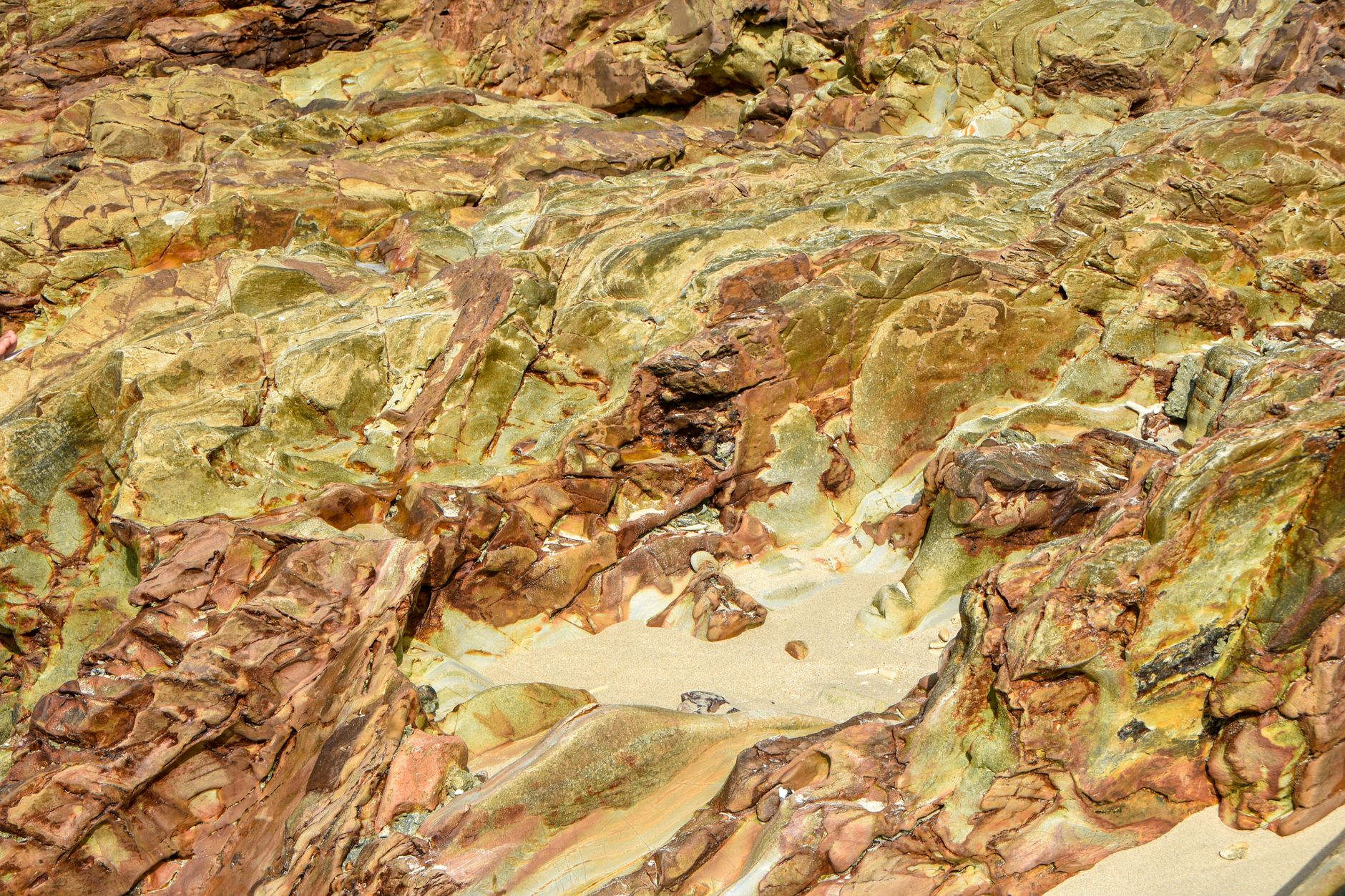
For decades, the search for extraterrestrial life has focused heavily on biosignatures – indicators of past or present life. These signatures are often based on the detection of specific chemical compounds or patterns that, on Earth, are predominantly produced by living organisms. However, a growing body of research reveals a startling truth: many of these “biosignatures” can be created by purely geological processes. This isn’t just an academic debate; it has profound implications for investment strategies, resource allocation, and understanding geopolitical risk within the finance world.
The False Positives: When Rocks Look Like Life
The core of the issue lies in the ambiguity of certain geochemical signals. Traditionally, scientists looked for things like methane, phosphine, or complex organic molecules as evidence of life. But non-biological origins for these substances are increasingly recognized.
- Methane: While produced by microbes (methanogens), methane is also frequently generated through serpentinization – a process where water reacts with ultramafic rocks (like those found deep within the Earth's mantle). This is particularly common near mid-ocean ridges and in hydrothermal vents.
- Phosphine: Once touted as a strong biosignature on Venus, phosphine can form through the breakdown of phosphides in rocks under certain, non-biological conditions.
- Organic Molecules: Complex organic compounds aren't exclusive to living organisms. They can arise from abiotic synthesis during geological processes, particularly in hydrothermal systems and during impacts from asteroids or comets.
- Redox Gradients: Variations in oxidation-reduction potential (redox gradients) are frequently associated with life. However, they also occur naturally at mineral-water interfaces, in volcanic systems, and due to radiation.
This has huge ramifications for astrobiology, but for finance, it highlights a critical issue: misinterpreting signals. We often apply a “life-centric” bias when analyzing resource deposits, assuming that certain geochemical concentrations point to biological activity – and therefore, potentially more easily exploitable resources. This assumption could lead to flawed investment decisions.
How Misinterpreted Geology Impacts Resource Economics
The financial implications stem directly from how we explore for and value resources. Here’s a breakdown:
- Rare Earth Minerals (REEs): REEs are crucial for many high-tech applications, from smartphones to electric vehicles. Carbonatites – igneous rocks rich in REEs – are often identified by looking for patterns associated with biological processes (like bacterial activity that can concentrate these elements). If we incorrectly attribute REE concentrations to biological factors, we may underestimate the scale or complexity of the geological processes involved in their formation. This could lead to overly optimistic reserve estimates and inflated stock prices for mining companies. https://example.com/ offers resources for researching mining stocks.
- Oil and Gas: The search for hydrocarbons relies on identifying organic-rich source rocks. However, non-biological hydrocarbon generation (e.g., from mantle plumes) is possible, although less common. Misinterpreting these sources could lead to unsuccessful drilling projects and losses for energy investors. Understanding the true origin of hydrocarbons is vital for accurate forecasting of energy supply and pricing.
- Gold and Other Precious Metals: Hydrothermal deposits are a major source of gold, silver, and other precious metals. The formation of these deposits is often linked to volcanic activity and interactions between fluids and rocks. While some microbial processes can concentrate certain metals, assuming a biological component is always present can lead to misjudgments about deposit size and grade.
- Lithium: Demand for lithium is soaring due to its use in batteries. Lithium is found in brines and pegmatites. Accurately assessing the geological history and the source of lithium enrichment is crucial for evaluating the economic viability of extraction projects. Over-reliance on biological markers as indicators of lithium concentration could result in inaccurate reserve estimations.
The Geopolitical Angle: Volatility & Resource Security
The misinterpretation of geological signals isn’t limited to resource exploration; it extends to geopolitical risk assessment. Geologically unstable regions are often perceived as higher risk investments. However, understanding the specific geological processes at play can refine that risk assessment.
| Geological Process | Potential Financial Impact | Risk Mitigation Strategy |
|---|---|---| | Volcanic Activity | Disruption of supply chains, infrastructure damage, airspace closures, insurance costs | Diversification of supply sources, robust insurance coverage, scenario planning | | Earthquakes | Infrastructure damage, economic disruption, political instability | Seismic risk assessment, resilient infrastructure investment, political risk insurance | | Landslides | Damage to infrastructure, resource extraction disruptions | Slope stabilization measures, careful site selection, risk mitigation planning | | Submarine Landslides | Tsunami generation, disruption of undersea infrastructure (cables, pipelines) | Early warning systems, infrastructure hardening, risk modeling | | Geothermal Activity | Potential for renewable energy, but also ground instability | Careful site selection, engineering controls, risk assessment |
Consider the example of countries with significant geothermal energy potential. While geothermal is a clean energy source, it’s often associated with areas of volcanic and seismic activity. A nuanced understanding of the specific geological context is essential to accurately assess the risk versus reward of investing in geothermal projects. Overestimating the risk based on a generalized perception of geological instability could lead to missed investment opportunities.
The Impact on Market Volatility & Investment Strategies
The potential for misinterpreting geological signals contributes to market volatility. Unexpected geological events (like a larger-than-anticipated landslide affecting a mine) or the correction of overly optimistic resource estimates can trigger significant price swings in commodity markets and the stocks of related companies.
- Increased Due Diligence: Investors need to demand more rigorous geological assessments as part of their due diligence process. This includes independent verification of resource estimates and a thorough understanding of the geological processes that formed the deposit.
- Scenario Planning: Financial models should incorporate a wider range of geological scenarios, including those that don’t rely on traditional “biosignature” assumptions.
- Diversification: Diversifying investments across different resources and geographic regions can help mitigate the risk associated with geological uncertainties.
- Focus on Fundamental Geology: A deeper understanding of fundamental geological principles is becoming increasingly valuable for investors. Resources like https://example.com/ can help deepen geological knowledge.
Looking Ahead: Refining Our Analytical Tools
The realization that geological processes can mimic biochemical signals is a paradigm shift. It necessitates a re-evaluation of our analytical tools and a more holistic approach to resource exploration and risk assessment. Advances in geochemistry, remote sensing, and machine learning are helping to refine our ability to distinguish between biological and abiotic signals.
- Isotope Analysis: Detailed isotopic analysis can often reveal the origin of organic molecules, distinguishing between biological and abiotic sources.
- Advanced Imaging Techniques: High-resolution imaging techniques can provide insights into the geological context of resource deposits and help identify subtle clues that might indicate abiotic formation.
- Machine Learning: Machine learning algorithms can be trained to identify patterns and anomalies in geological data that might be missed by human analysts.
The intersection of geology and finance is becoming increasingly crucial. By acknowledging the potential for misinterpreted geological signals and adopting more rigorous analytical approaches, investors can make more informed decisions and navigate the complex world of resource economics and geopolitical risk with greater confidence. This is not simply about finding new ways to locate resources; it's about understanding the fundamental forces shaping our planet and their impact on the global economy.
Disclaimer: I am an AI chatbot and cannot provide financial advice. The information presented in this article is for educational purposes only. Affiliate links are provided for informational purposes and may result in a commission if you make a purchase through them. Always conduct thorough research and consult with a qualified financial advisor before making any investment decisions.