Valve releases Steam Controller CAD files under Creative Commons license
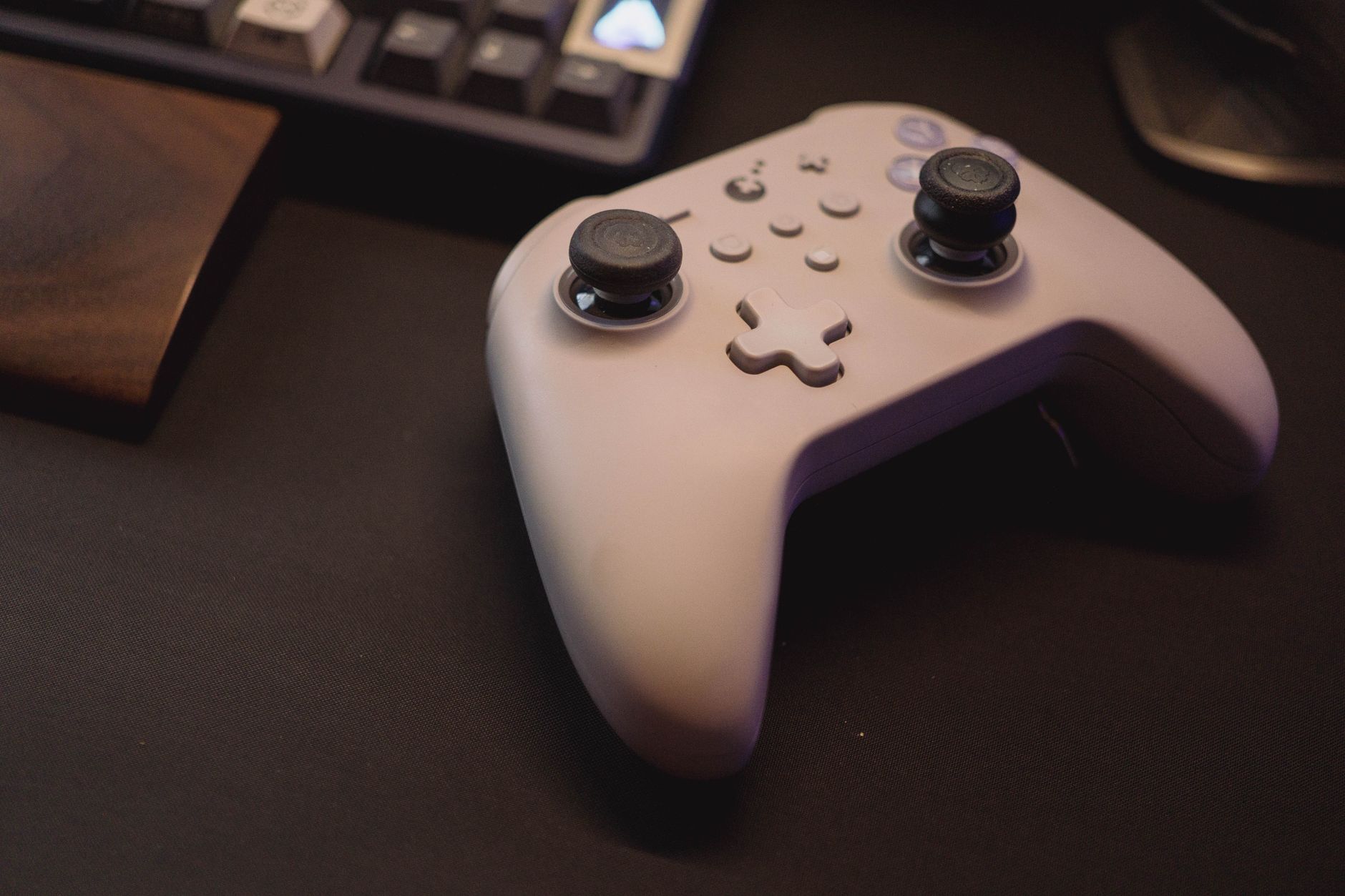
Valve, the entertainment software giant behind the Steam platform and popular games like Dota 2 and Half-Life, has made a surprising move that’s sending ripples through the hardware and maker communities. They've released the complete CAD (Computer-Aided Design) files for the Steam Controller under a Creative Commons license. This isn’t just a gift to hobbyists; it’s a potentially significant event with financial implications for hardware manufacturers, investors, and the broader gaming ecosystem. This article dives deep into the meaning of this release, exploring its potential impact on innovation, manufacturing costs, and investment opportunities.
The Unexpected Open Sourcing: Why Now?
For years, the Steam Controller was a niche but beloved piece of gaming hardware, known for its unique trackpads and customizable features. Despite being discontinued in 2019, it cultivated a dedicated following. The reasons for Valve releasing the CAD files now are multifaceted, but likely include:
- Reducing Support Burden: With official support long gone, releasing the designs allows the community to maintain and repair existing controllers, lessening the stream of support requests to Valve.
- Fostering Innovation: Valve has a history of encouraging modding and community involvement. Open-sourcing the CAD files takes this to the next level, allowing anyone to build upon the original design.
- Brand Goodwill: It’s a PR win. Valve is seen as supporting the maker community and demonstrating a commitment to open-source principles.
- Internal Exploration: Valve often experiments with unconventional hardware. This could be a test case for potentially open-sourcing designs for future projects, gauging community response and collaboration.
Financial Implications for Hardware Manufacturers
The release of these CAD files isn't a threat to all hardware manufacturers, but it presents a nuanced set of opportunities and challenges.
- Lower Barriers to Entry: Smaller companies and startups can now leverage a proven controller design as a starting point, significantly reducing R&D costs. Instead of building a controller from scratch, they can modify and improve upon the Steam Controller’s existing architecture.
- Competition Increase: This will likely lead to increased competition in the gamepad market, particularly at the lower to mid-range price points. Companies attempting to compete will need to focus on differentiation through features, quality, or branding.
- Component Sourcing Opportunities: Manufacturers specializing in controller components (buttons, joysticks, trackpads, PCBs) could see increased demand as more entities begin producing or modifying controllers.
- Licensing and IP Considerations: While the CAD files are under a Creative Commons license, the underlying technology may still be protected by patents. Manufacturers need to carefully assess potential intellectual property issues before commercializing any derivative designs. This is crucial to avoid costly legal battles.
- Potential for Collaboration: Larger manufacturers might explore collaborations with the open-source community to incorporate community-developed improvements into their own products.
The Rise of DIY and Modding: A New Market Segment
Perhaps the most immediate impact will be on the DIY and modding communities.
- Repairability & Longevity: With access to the CAD files, repairing broken Steam Controllers becomes significantly easier. This extends the lifespan of existing hardware, reducing e-waste and saving consumers money.
- Customization & Personalization: Modders can now design and 3D print custom shells, buttons, and even internal components, creating truly unique controllers. This opens up a market for custom controller designs and services. https://example.com/ offers a variety of 3D printing filaments ideal for custom controller components.
- Improved Accessibility: Modifications can be made to improve accessibility for gamers with disabilities. Custom grips, button layouts, and input methods can be tailored to individual needs.
- Small-Scale Manufacturing: Individuals with access to 3D printers and basic electronics skills could potentially start small-scale businesses manufacturing and selling modified or improved Steam Controller derivatives.
- Derivative Product Demand: Expect a surge in demand for replacement parts, 3D printing services, and custom firmware for the Steam Controller.
Investment Opportunities: Where Could the Money Flow?
This release presents several potential investment opportunities, though most are currently speculative.
- 3D Printing Companies: Companies specializing in high-quality 3D printing, particularly those offering materials suitable for durable gaming peripherals, could see increased demand.
- Component Manufacturers: As mentioned earlier, manufacturers of controller components (joysticks, buttons, PCBs, trackpads) could benefit.
- Controller Modding Services: Businesses offering custom controller design and modification services. This could range from simple shell swaps to complex internal modifications.
- Open-Source Hardware Platforms: Platforms that support open-source hardware development and collaboration could see increased activity.
- Specialized Firmware Development: Developing and selling custom firmware designed to enhance the functionality of the Steam Controller (or its derivatives).
- New Input Device Designs: Companies bold enough to leverage the Steam Controller’s core design principles, but significantly evolve them for broader applicability. Think beyond gaming – industrial controls, accessibility devices, etc.
A Table Summarizing Investment Potential:
| Investment Area | Risk Level | Potential Return | Key Considerations |
|---|---|---|---|
| 3D Printing | Medium | Medium | Material quality, printing speed, scalability |
| Component Manufacturing | Medium | Medium | Competition, supply chain reliability |
| Modding Services | High | High | Marketing, niche appeal, skilled labor |
| Firmware Development | High | High | Technical expertise, market demand |
| New Input Devices | Very High | Very High | Innovation, market validation, IP protection |
The Creative Commons License: Understanding the Terms
It’s crucial to understand the specifics of the Creative Commons license applied to the Steam Controller CAD files. Valve has chosen the Creative Commons Attribution-ShareAlike 4.0 International (CC BY-SA 4.0) license. This means:
- Attribution: Anyone using the designs must give appropriate credit to Valve.
- ShareAlike: If you modify the designs, you must distribute your modifications under the same CC BY-SA 4.0 license. This ensures that derivative works remain open and accessible.
- Commercial Use Allowed: You can use the designs for commercial purposes, but you must still adhere to the attribution and ShareAlike requirements. You don’t need to ask Valve for permission to sell products based on the Steam Controller designs, provided you meet the license terms.
Understanding these terms is critical for anyone planning to manufacture or sell products based on the Steam Controller CAD files. Consulting with legal counsel specializing in intellectual property is highly recommended.
Long-Term Implications & The Future of Open-Source Hardware
Valve’s move could be a harbinger of a broader trend towards open-source hardware. The benefits are clear: faster innovation, reduced costs, increased accessibility, and a more engaged community. However, challenges remain, including intellectual property protection, quality control, and the sustainability of open-source projects.
If other major hardware manufacturers follow Valve’s lead, it could fundamentally reshape the gaming hardware landscape and beyond. We might see a future where consumers have more control over their devices, with the ability to repair, modify, and customize them to their exact needs. This release is more than just about a discontinued controller; it's a statement about the potential of open collaboration and its impact on the future of technology. https://example.com/ often carries tools and components useful for hardware modification.
Disclaimer:
Please note that this article is for informational purposes only and does not constitute financial advice. Investments in the areas discussed are subject to market risk, and you should conduct your own thorough research before making any investment decisions. The author may receive a commission from purchases made through affiliate links included in this article.