USDA Projects Smallest US Wheat Harvest Since 1972 Due to Plains Drought
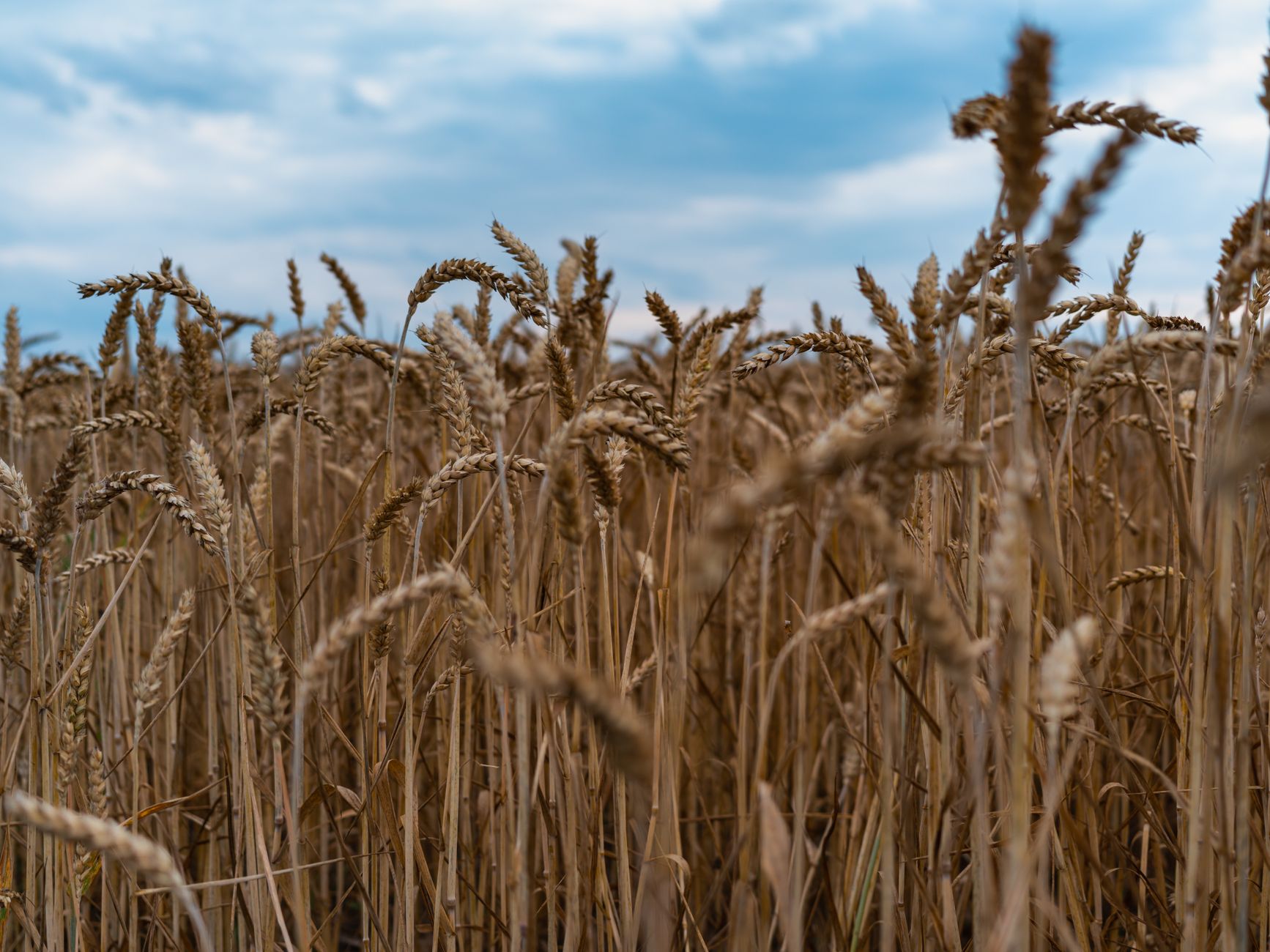
The United States Department of Agriculture (USDA) recently released a sobering report: the 2024 US winter wheat harvest is projected to be the smallest in over half a century, specifically since 1972. This isn’t just an agricultural issue; it's a potential financial tremor impacting commodity markets, food prices, and ultimately, your investment portfolio. This article dives deep into the causes of this dramatic shortfall, its implications for investors, and potential strategies to navigate this evolving landscape.
The Plains Drought: A Perfect Storm for Wheat Production
The primary culprit? A persistent and severe drought gripping the crucial wheat-growing regions of the Plains – Kansas, Oklahoma, Texas, and Colorado. These states collectively account for a significant portion of US winter wheat production. For months, these areas have experienced abnormally low precipitation, coupled with unusually high temperatures, creating conditions inhospitable to wheat development.
Here's a breakdown of the key contributing factors:
- Lack of Snowpack: The winter saw limited snowfall in the Plains, depriving the soil of essential moisture during a crucial recharge period.
- Early Warmth: An unusually warm spring accelerated wheat development, making the crop more vulnerable to late-season frosts and exacerbating water stress.
- Persistent High Temperatures: Sustained periods of high temperatures increase evaporation rates and place further strain on already depleted soil moisture.
- Wind Erosion: Dry conditions have led to significant wind erosion, stripping topsoil and further damaging wheat crops.
The USDA’s latest estimates paint a stark picture. They forecast a winter wheat harvest of just 1.17 billion bushels, down significantly from previous expectations and the lowest level since 1972. This represents a substantial reduction in US wheat supply.
Financial Implications: Ripple Effects Across Markets
The drastically reduced wheat harvest isn’t confined to farm fields. Its impact is cascading through various financial markets.
Commodity Price Increases
The most immediate effect is the anticipated rise in wheat prices. Reduced supply, coupled with steady demand, inevitably pushes prices upward. This impacts not only the physical commodity but also wheat futures contracts.
- Wheat Futures (CBOT): Wheat futures traded on the Chicago Board of Trade (CBOT) have already seen increased volatility and upward pressure following the USDA report. Investors are closely monitoring these contracts as a key indicator of market sentiment. https://example.com/ could be a helpful resource to learn more about trading commodity futures.
- Global Wheat Markets: The US is a major wheat exporter. A smaller US harvest means less wheat available on the global market, potentially driving up prices worldwide. This is particularly concerning for countries heavily reliant on US wheat imports.
Impact on Food Prices & Inflation
Wheat is a staple ingredient in a vast range of food products, including bread, pasta, cereals, and baked goods. Higher wheat prices will inevitably translate into higher food prices for consumers, contributing to inflationary pressures.
- Food Manufacturers: Companies that rely heavily on wheat as an input will face increased production costs. These costs will likely be passed on to consumers.
- Consumer Price Index (CPI): The food component of the CPI, a key measure of inflation, is likely to be impacted by rising wheat prices.
- Restaurant Industry: Restaurants, particularly those serving bread-based dishes, may need to adjust their menus and pricing.
Agricultural Stocks & ETFs
The drought's impact extends to companies involved in the agricultural sector.
- Fertilizer Companies: While a smaller wheat harvest may reduce immediate fertilizer demand, long-term implications depend on farmer planting decisions for subsequent crops.
- Agricultural Equipment Manufacturers: Lower farm incomes due to reduced yields could lead to decreased demand for agricultural equipment.
- Agricultural ETFs: Exchange-Traded Funds (ETFs) focused on agriculture, such as the Invesco DB Agriculture Fund (DBA), are likely to experience increased volatility.
Investment Strategies: Navigating the Wheat Market
So, what can investors do in light of these developments? Here are a few potential strategies, keeping in mind that all investment decisions should be made with careful consideration of your risk tolerance and financial goals.
Commodity Futures & Options
For experienced investors, trading wheat futures contracts or options can offer opportunities to profit from price movements. However, this is a high-risk, high-reward strategy requiring a deep understanding of commodity markets.
Agricultural ETFs
Investing in agricultural ETFs provides diversification within the sector. These ETFs typically hold a basket of agricultural commodities, including wheat, corn, soybeans, and livestock. This offers a less direct, but potentially more stable, way to gain exposure to the wheat market.
Food Processing & Retail Stocks
Companies involved in the food processing and retail industries may see both positive and negative impacts. Carefully analyze companies' exposure to wheat costs and their ability to pass those costs on to consumers. Look for companies with strong brands and pricing power.
Water Rights & Water Technology
In the long term, the persistent drought highlights the growing importance of water resources. Investing in companies involved in water rights, irrigation technology, or water purification could offer potential growth opportunities.
Shorting Related Companies (Caution Advised)
An aggressive strategy involves shorting companies heavily reliant on wheat as an input if you believe they will struggle to maintain profitability in the face of rising costs. This is a high-risk strategy and should only be undertaken by experienced investors.
A Quick Table Summarizing Potential Investment Approaches
| Strategy | Risk Level | Potential Return | Considerations |
|---|---|---|---|
| Wheat Futures/Options | High | High | Requires expertise, high volatility |
| Agricultural ETFs | Medium | Medium | Diversified, subject to overall sector risks |
| Food Processing Stocks | Medium | Medium | Analyze cost pass-through ability |
| Water Rights/Tech | Long-Term | Potentially High | Long-term investment, regulatory factors |
| Shorting Related Stocks | High | High | High risk, requires accurate analysis |
The Role of Weather and Long-Term Trends
It's crucial to remember that weather patterns are inherently unpredictable. While the current drought is severe, there’s always the possibility of improved rainfall in the coming months. However, climate change is increasing the frequency and intensity of extreme weather events, including droughts.
This suggests that water scarcity and its impact on agricultural production are likely to be long-term trends. Investors should consider this when evaluating their long-term investment strategies. Furthermore, developments in drought-resistant wheat varieties and improved irrigation techniques could mitigate some of the negative impacts.
Staying Informed: Resources for Investors
- USDA Reports: The USDA website (https://www.usda.gov/) is the primary source of information on agricultural production and market conditions.
- CBOT (Chicago Board of Trade): (https://www.cbot.com/) provides real-time data on wheat futures contracts.
- Financial News Outlets: Stay informed about market developments through reputable financial news sources like Bloomberg, Reuters, and the Wall Street Journal. https://example.com/ can give you access to premium financial news services.
- Agricultural Analysts: Follow the insights of agricultural analysts to gain a deeper understanding of the market dynamics.
Disclaimer
This article is for informational purposes only and should not be considered financial advice. Investment decisions should be based on your own research and consultation with a qualified financial advisor. The author may receive a commission from purchases made through affiliate links included in this article. This does not influence the content or objectivity of the analysis.