Ultrasound imaging of the brain
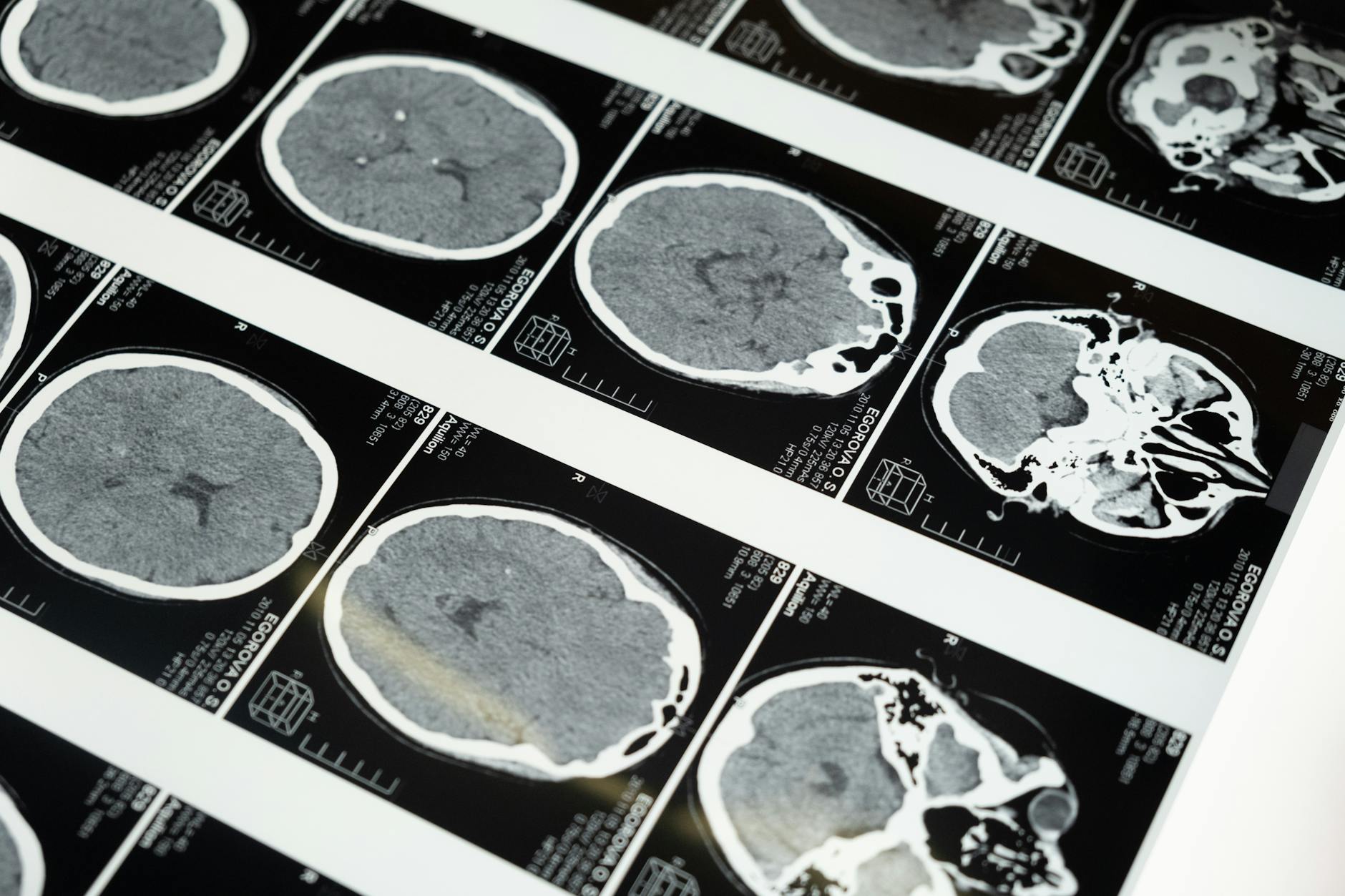
For decades, Magnetic Resonance Imaging (MRI) and Computed Tomography (CT) scans have been the gold standards for visualizing the human brain. However, a quieter revolution is underway – the increasing adoption of ultrasound imaging for neurological assessment. What was once largely limited to pediatric cases is now proving valuable for adults, offering a cost-effective, portable, and increasingly sophisticated method for diagnosing and monitoring brain conditions. This isn't just a medical advancement; it represents a growing investment opportunity within the healthcare and neurotech sectors, and critically impacts long-term financial planning related to potential neurological conditions.
The Evolution of Brain Ultrasound: From Pediatrics to Adult Neurology
Traditionally, ultrasound wasn’t considered ideal for adult brain imaging due to the skull’s density, which scatters sound waves. However, advancements in technology, specifically contrast-enhanced ultrasound (CEUS) and transcranial Doppler (TCD) ultrasound, are changing that.
- Contrast-Enhanced Ultrasound (CEUS): This involves injecting microbubble contrast agents into the bloodstream. These bubbles enhance the ultrasound signal, allowing for clearer visualization of blood flow and brain tissue.
- Transcranial Doppler (TCD): TCD focuses on measuring blood flow velocity within the brain's arteries, crucial for detecting stenosis (narrowing) and emboli (blockages) that can indicate stroke risk.
- Focused Ultrasound (FUS): Though still largely experimental, Focused Ultrasound is showing promise for non-invasive brain surgery, drug delivery, and even cognitive enhancement. This represents a potentially massive future investment area.
These advancements mean brain ultrasound is increasingly being used for:
- Stroke diagnosis and monitoring: Rapidly assessing potential stroke damage, especially in emergency settings.
- Detecting and monitoring cerebral aneurysms.
- Evaluating traumatic brain injury (TBI).
- Assessing for neurodegenerative diseases like Alzheimer's and dementia: Early changes in blood flow can be indicators.
- Guiding neurosurgical procedures.
- Monitoring intracranial pressure.
Why the Financial Implications Matter: Healthcare Costs & Investment Potential
The increasing utilization of brain ultrasound isn’t just a clinical shift; it has significant financial ramifications, both for individuals and for investors.
Healthcare Costs: A Proactive Approach to Savings
Early and accurate diagnosis of neurological conditions is paramount. Delayed diagnosis can lead to more severe symptoms, requiring more intensive and expensive treatment. Brain ultrasound, being a relatively low-cost imaging modality compared to MRI and CT, offers the potential to:
- Reduce overall healthcare spending: Earlier detection means less invasive and less costly interventions are often possible.
- Improve patient outcomes: Faster treatment translates to better recovery and quality of life.
- Lower insurance premiums (potentially): As preventative and diagnostic tools become more effective, insurers may adjust premiums accordingly.
For individuals, proactively investing in regular check-ups that include brain ultrasound (when appropriate based on risk factors and physician recommendation) can be seen as a form of preventative financial planning. Addressing potential issues early can avoid substantial medical bills down the line. This is especially pertinent considering the rising costs of long-term care associated with conditions like Alzheimer’s disease. Consider a Health Savings Account (HSA) to cover qualified medical expenses.
The Investment Landscape: Opportunities in Neurotech & Medical Imaging
The growing demand for brain ultrasound technology is driving investment opportunities across several sectors:
- Ultrasound Equipment Manufacturers: Companies developing and producing advanced ultrasound machines with dedicated neurological applications. (Research public companies and emerging startups)
- Contrast Agent Developers: Companies creating safer and more effective microbubble contrast agents for CEUS. https://example.com/ (Consider researching publicly traded pharmaceutical companies involved in contrast agent development).
- Neurotech Companies: Firms focused on leveraging ultrasound for therapeutic applications, such as Focused Ultrasound, or integrating ultrasound with other neurotechnologies like brain-computer interfaces.
- AI-Powered Diagnostics: Companies developing artificial intelligence algorithms to analyze ultrasound images, improving diagnostic accuracy and efficiency.
- Remote Monitoring & Telemedicine: The portability of ultrasound devices lends itself to remote healthcare applications, a rapidly growing market.
Table: Comparing Imaging Costs (approximate US averages - 2024)
| Imaging Modality | Average Cost | Advantages | Disadvantages |
|---|---|---|---| | MRI | $2,000 - $6,000 | High resolution, detailed images | Expensive, time-consuming, limited accessibility | | CT Scan | $300 - $1,500 | Fast, widely available | Radiation exposure, less detail than MRI | | Brain Ultrasound | $200 - $800 | Low cost, portable, real-time imaging, no radiation | Lower resolution than MRI/CT, skull interference | | PET Scan | $3,000 - $8,000 | Detects metabolic changes | Expensive, radiation exposure, limited availability |
Navigating the Risks & Challenges
While the future looks promising, there are challenges to consider.
- Operator Dependence: Ultrasound interpretation requires significant training and skill. Accuracy relies heavily on the expertise of the sonographer and neurologist.
- Image Quality Limitations: Despite advancements, ultrasound image quality can be affected by factors like skull thickness and patient anatomy.
- Regulatory Hurdles: New applications of ultrasound, particularly therapeutic ones, require rigorous clinical trials and regulatory approval.
- Market Adoption: Wider acceptance by medical professionals and insurance providers is still needed. Demonstrating clear clinical benefits and cost-effectiveness is key.
Long-Term Financial Planning: Preparing for Neurological Health
The financial implications extend beyond healthcare costs and investment opportunities. Individuals should consider the potential financial impact of neurological conditions as part of their long-term financial plan.
- Long-Term Care Insurance: Conditions like Alzheimer’s disease can necessitate expensive long-term care. Long-term care insurance can help mitigate these costs.
- Disability Insurance: If a neurological condition affects your ability to work, disability insurance can provide income replacement.
- Estate Planning: Planning for potential cognitive decline is crucial. Establish durable power of attorney and healthcare proxies.
- Healthcare Costs in Retirement: Project potential healthcare expenses, including the possibility of neurological conditions, when planning for retirement.
Regular check-ups including appropriate diagnostic screenings (as advised by your doctor) and proactive financial planning are vital for safeguarding your future health and financial well-being. Don't hesitate to discuss your concerns with a financial advisor and your healthcare provider.
Resources & Further Research
- Alzheimer's Association: https://www.alz.org/
- National Institute of Neurological Disorders and Stroke (NINDS): https://www.ninds.nih.gov/
- American Society of Ultrasound in Medicine (ASUM): https://www.asum.org/
- Healthcare Bluebook: Provides cost estimates for medical procedures. https://example.com/
Disclaimer:
This article is for informational purposes only and does not constitute financial or medical advice. The information provided should not be considered a substitute for professional guidance. Investing in healthcare or medical technology carries risks, and past performance is not indicative of future results. Affiliate links are included for your convenience, and I may receive a commission if you make a purchase through these links.