There is minimal downside to switching to open models
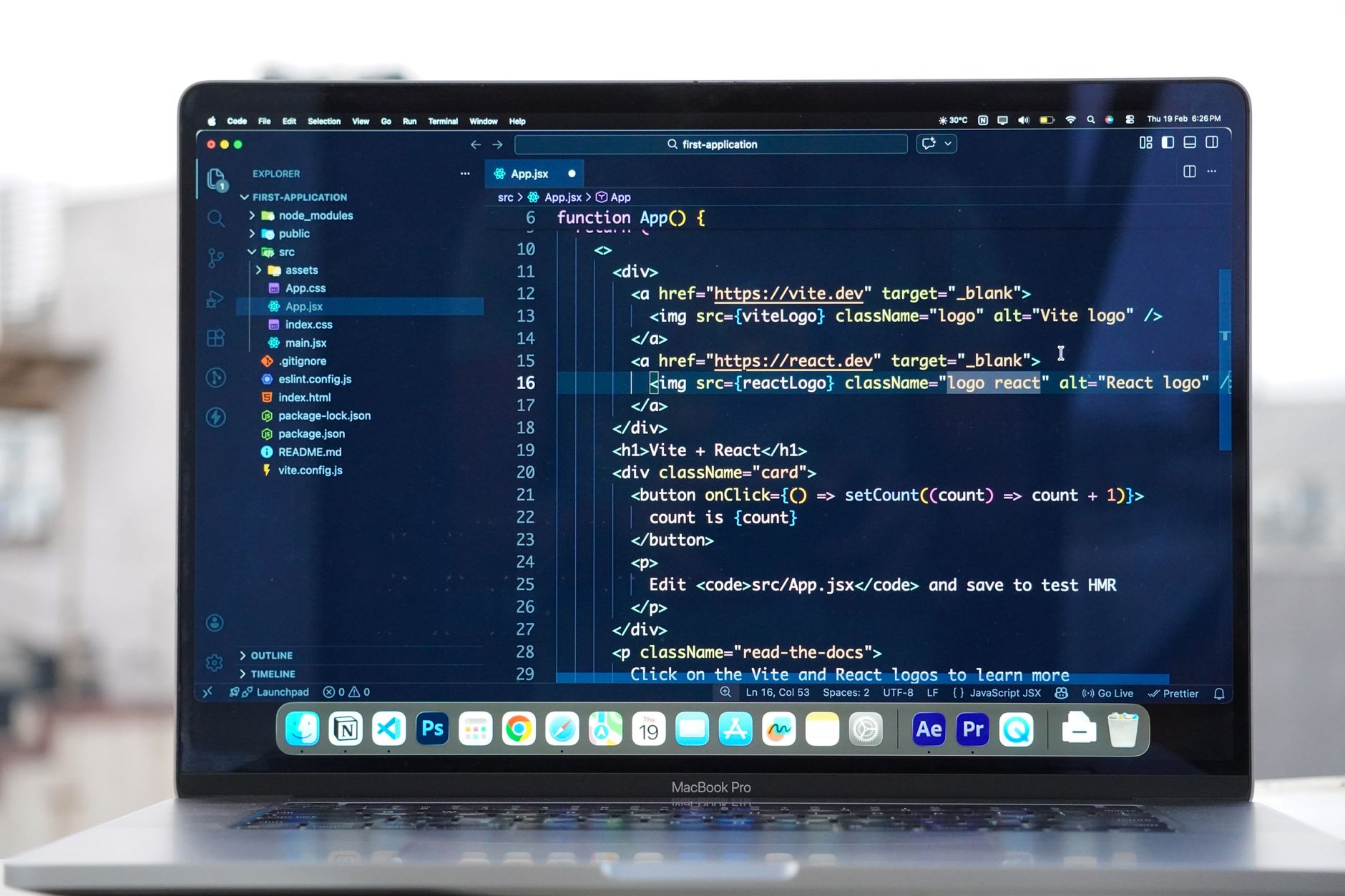
The finance industry has traditionally been hesitant to embrace open-source solutions, often prioritizing established vendors and proprietary software. However, a shift is underway. Open models – machine learning and statistical models with publicly available code – are gaining traction, and for good reason. While perceived risks around security and support exist, the benefits – particularly in terms of cost, customization, and ultimately, competitive advantage – significantly outweigh the downsides. This article will explore why switching to open models is becoming less of a question of if and more of a question of when for financial institutions.
The Proprietary Model’s Limitations in Modern Finance
For decades, the financial sector relied heavily on software from a select few large vendors. This created several limitations:
- High Costs: Proprietary licenses are expensive, eating into profit margins and limiting investment in innovation. Annual maintenance fees and upgrade costs add to the burden.
- Vendor Lock-in: Becoming dependent on a single vendor restricts flexibility and bargaining power. Switching to a different system can be a massive, complex, and costly undertaking.
- Limited Customization: Proprietary software rarely caters perfectly to a firm’s specific needs. Customization options are often limited and require expensive consulting services.
- Black Box Functionality: The inner workings of proprietary algorithms are often opaque, making it difficult to understand why a model makes certain predictions. This lack of transparency can be problematic for regulatory compliance and risk management.
- Slow Innovation: The pace of innovation within these large vendors can be slow, hindering the ability of financial institutions to quickly adopt cutting-edge technologies.
What are Open Models and Why are They Relevant to Finance?
Open models, in the context of finance, are algorithms and statistical frameworks released under open-source licenses (like MIT, Apache 2.0, or GPL). This means the code is publicly available for anyone to inspect, modify, and distribute. This contrasts sharply with the “black box” nature of proprietary solutions.
These models are increasingly sophisticated and are being applied to a wide range of financial applications:
- Fraud Detection: Identifying fraudulent transactions with greater accuracy.
- Algorithmic Trading: Developing and deploying automated trading strategies.
- Credit Risk Assessment: More accurately predicting the likelihood of loan defaults.
- Portfolio Optimization: Constructing portfolios that maximize returns while minimizing risk.
- Customer Churn Prediction: Identifying customers at risk of leaving and proactively offering incentives to retain them.
- Regulatory Compliance (RegTech): Automating compliance tasks and reducing the risk of penalties.
The Upsides of Switching to Open Models
Let's dive into the compelling reasons why financial institutions should seriously consider adopting open models:
- Cost Reduction: This is arguably the most significant benefit. Eliminating licensing fees can result in substantial savings. The total cost of ownership is typically lower as you avoid recurring vendor costs.
- Customization and Flexibility: Open models can be tailored to your specific data and business requirements. You’re not limited by the constraints of a pre-built solution. You have complete control over the model’s logic.
- Transparency and Auditability: The ability to inspect the code promotes trust and makes it easier to understand how a model works. This is crucial for regulatory compliance and risk management. It allows for independent validation and audit.
- Faster Innovation: Open-source communities foster rapid innovation. You can benefit from the collective intelligence of a global network of developers. You are less reliant on a single vendor’s development cycle.
- Enhanced Security: While often perceived as a risk (more on that later), open models can improve security. The code is publicly scrutinised, meaning vulnerabilities are more likely to be identified and patched quickly by the community. This 'many eyes' approach is often more effective than proprietary security measures.
- Access to Talent: A growing pool of data scientists and machine learning engineers are familiar with open-source tools and frameworks (like Python, R, TensorFlow, PyTorch). This expands your talent acquisition options.
Addressing the Perceived Downsides
The concerns around adopting open models are legitimate, but increasingly manageable:
- Support & Maintenance: Unlike proprietary software, there’s no single vendor to call for support. However, thriving open-source communities often provide excellent support through forums, mailing lists, and online resources. Furthermore, many companies now offer commercial support for popular open-source projects. For example, if you build a system based on a common Python library, many vendors offer support contracts. https://example.com/ - Consider a comprehensive Python training package to build internal expertise.
- Security Risks: While transparency can enhance security, making the code public also means potential attackers can study it for vulnerabilities. However, this is mitigated by the rapid identification and patching of vulnerabilities by the open-source community. Robust security practices – like regular code audits and penetration testing – are essential regardless of whether you use open or proprietary software.
- Integration Challenges: Integrating open-source models with existing legacy systems can be complex. However, well-documented APIs and libraries are becoming increasingly common, making integration easier. Containerization technologies like Docker can also help to simplify deployment and integration.
- Lack of Documentation: Some open-source projects have incomplete or outdated documentation. However, popular projects typically have extensive documentation and active communities that can provide assistance.
- Model Governance: Maintaining version control, tracking model lineage, and ensuring responsible AI practices are critical. Robust model governance frameworks are essential to mitigate risks and ensure compliance.
Practical Steps for Adopting Open Models in Finance
Here's a roadmap for financial institutions looking to embrace open models:
- Start Small: Begin with a pilot project in a low-risk area, such as fraud detection or customer churn prediction.
- Build Internal Expertise: Invest in training and development to equip your team with the skills needed to work with open-source tools and frameworks.
- Choose the Right Tools: Select open-source libraries and frameworks that are well-documented, actively maintained, and have a strong community. Python with libraries like scikit-learn, pandas, and TensorFlow/PyTorch are popular choices.
- Establish Robust Security Practices: Implement strong security measures, including regular code audits, penetration testing, and access control.
- Develop a Model Governance Framework: Establish clear guidelines for model development, deployment, and monitoring.
- Leverage Cloud Platforms: Cloud providers like AWS, Azure, and Google Cloud offer managed services that simplify the deployment and management of open-source models.
- Consider Commercial Support: If needed, explore commercial support options for critical open-source projects.
Open Models & The Future of Fintech
The momentum behind open models in finance is undeniable. The cost savings, customization options, and enhanced security are simply too compelling to ignore. As the open-source ecosystem matures and more sophisticated tools and frameworks become available, we can expect to see even wider adoption in the financial industry. The future of fintech is increasingly open, collaborative, and driven by community innovation.
Image Suggestions:
- Image 1: A network diagram illustrating the collaborative nature of open-source development. (
- Image 2: A graph showing the declining cost of machine learning compute and the increasing availability of open-source models. (
- Image 3: A security lock icon overlaid on lines of code, representing the enhanced security of open models. (
- Image 4: A person looking at complex financial data represented as a dashboard. (
Disclaimer:
This article contains affiliate links to products and services. If you make a purchase through these links, we may earn a commission at no extra cost to you. Our recommendations are based on our research and honest opinions. We are not financial advisors, and this article is for informational purposes only. Always conduct your own research before making any financial decisions.