That Methyl Methacrylate Tank
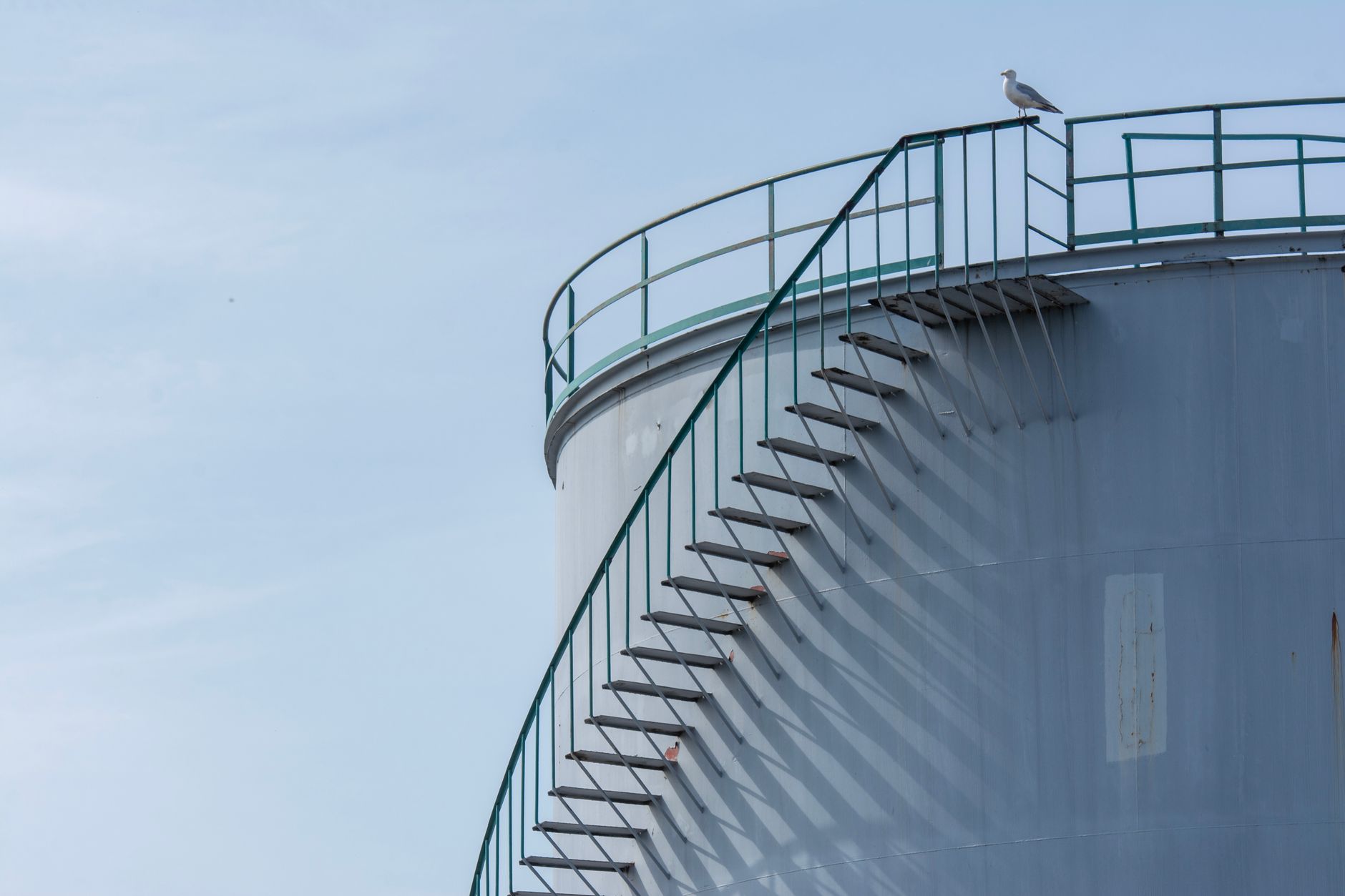
You’ve likely never given a second thought to a large, stainless steel tank filled with a clear liquid. But that tank, likely containing Methyl Methacrylate (MMA), holds a surprisingly significant key to understanding a complex corner of the global financial landscape. MMA isn’t a household name, but it's a crucial building block for countless products we use daily, from acrylic glass and paints to dental fillings and construction materials. This article will dissect the financial aspects of MMA, exploring its market dynamics, price drivers, investment opportunities, and inherent risks.
What is Methyl Methacrylate? A Quick Overview
Methyl Methacrylate (MMA) is an organic compound, a colorless liquid ester, that's primarily used to manufacture polymethyl methacrylate (PMMA), more commonly known as acrylic plastic or acrylic glass. It’s produced from acetone cyanohydrin (ACH), ethylene, isobutylene, or tertiary butanol.
- Key Applications: Acrylic sheets, resins, coatings, adhesives, molding compounds, and dental polymers.
- Industry Impact: Essential for automotive, construction, medical, signage, and consumer goods sectors.
- Chemical Formula: C4H6O2
Understanding its applications is crucial. Demand for MMA doesn't arise in a vacuum; it’s directly tied to the performance of these downstream industries. A construction boom translates to higher demand for acrylic sheeting, increasing MMA prices. A slowdown in automotive manufacturing does the opposite.
The MMA Market: A Global Perspective
The global MMA market is a multi-billion dollar industry. Asia-Pacific currently dominates both production and consumption, driven by the rapid industrialization of countries like China and India. North America and Europe represent significant, but comparatively slower-growing, markets.
Here’s a simplified breakdown of key players and regional dynamics:
| Region | Key Players (Examples) | Market Share (approx.) | Growth Rate (recent years) |
|---|---|---|---|
| Asia-Pacific | Mitsubishi Chemical, Lucite MP | 50-60% | 6-8% |
| North America | Arkema, Evonik | 20-25% | 2-4% |
| Europe | Röhm, Trinseo | 15-20% | 1-3% |
- Market Concentration: The industry is relatively concentrated, with a handful of major players controlling a significant portion of global production capacity. This concentration can lead to price-setting power and potentially less competitive pricing.
- Capacity Expansion: New production facilities are constantly being planned and built, particularly in Asia. This expansion adds supply to the market, which can influence price fluctuations.
- Trade Flows: MMA is a globally traded commodity, with significant volumes shipped between regions to balance supply and demand. Trade tariffs and geopolitical events can disrupt these flows and create price volatility.
Financial Drivers: What Makes MMA Prices Tick?
Understanding the factors influencing MMA prices is vital for anyone considering investment or exposure to this market. Here’s a breakdown of the key drivers:
- Raw Material Costs: The cost of feedstocks like propylene, acetone, and methanol significantly impacts MMA production costs. Fluctuations in crude oil prices (affecting propylene) and natural gas prices (affecting methanol) directly influence MMA pricing.
- Supply and Demand Dynamics: The fundamental economic principle. Increased demand, particularly from growing economies, pushes prices up. Overcapacity or economic downturns reduce demand and lower prices.
- Geopolitical Events: Political instability, trade wars, and sanctions can disrupt supply chains and create price shocks.
- Production Disruptions: Unexpected outages at production facilities (due to maintenance, accidents, or natural disasters) can temporarily reduce supply and increase prices.
- Inventory Levels: High inventory levels suggest weak demand and put downward pressure on prices. Low inventory levels signal strong demand and support higher prices.
- Currency Exchange Rates: Since MMA is traded internationally, fluctuations in exchange rates can impact prices, particularly for importers and exporters.
Image Suggestion: A graph depicting the historical price of MMA alongside the price of crude oil, illustrating the correlation between raw material costs and MMA prices. (
Investment Opportunities in the MMA Value Chain
While directly investing in a pure-play MMA producer can be challenging (as many are subsidiaries of larger chemical companies), several investment avenues offer exposure to the MMA market:
- Chemical Companies with MMA Divisions: Invest in publicly traded chemical companies like Arkema (https://example.com/ - check for stock analysis tools) or Evonik that have significant MMA production capacity. This offers diversification, but MMA performance will be blended with other business segments.
- Downstream Producers: Invest in companies that use MMA to manufacture finished products, such as acrylic sheet manufacturers or paint and coating companies. These companies benefit from stable MMA prices and strong demand for their products.
- Commodity Futures & Options: More sophisticated investors can trade MMA futures contracts on commodity exchanges. This allows for direct speculation on price movements but carries higher risk.
- Exchange-Traded Funds (ETFs): Some ETFs focused on the chemical industry may hold stocks of companies involved in MMA production or consumption.
- Private Equity: Investing in private equity funds specializing in the petrochemical sector can provide access to MMA-related investments, but these typically require a substantial investment and have limited liquidity.
Image Suggestion: A chart illustrating the different investment options in the MMA value chain – from raw material suppliers to finished product manufacturers. (
Risks and Challenges: The Dark Side of the Tank
Investing in the MMA market isn’t without its risks:
- Price Volatility: MMA prices are notoriously volatile, susceptible to fluctuations in raw material costs, supply disruptions, and economic cycles. This can erode profits and lead to significant losses.
- Overcapacity: The risk of overcapacity is a constant concern. Large-scale capacity additions can flood the market with supply, driving down prices and squeezing margins.
- Environmental Regulations: Stricter environmental regulations concerning emissions and waste disposal can increase production costs for MMA manufacturers.
- Competition: The MMA market is competitive, with established players vying for market share. New entrants can further intensify competition.
- Technological Disruption: The development of alternative materials that could replace acrylics poses a long-term threat to the MMA market.
- Supply Chain Vulnerabilities: Reliance on specific regions for raw materials or production capacity can create vulnerabilities to supply chain disruptions caused by geopolitical events or natural disasters.
The Future of MMA: Trends to Watch
Several key trends are shaping the future of the MMA market:
- Sustainability: Growing demand for sustainable materials is driving research into bio-based MMA production methods using renewable feedstocks.
- Circular Economy: Initiatives to recycle and reuse acrylic plastics are gaining momentum, potentially reducing demand for virgin MMA.
- Digitalization: Adoption of digital technologies like artificial intelligence and machine learning is improving production efficiency and optimizing supply chains.
- Shift to Asia: The center of gravity of the MMA market is continuing to shift towards Asia, particularly China, driven by robust economic growth and increasing domestic demand.
- Specialty Applications: Development of new and specialized applications for PMMA, such as lightweight automotive components and advanced medical devices, could drive future growth.
Conclusion: A Niche with Nuance
The world of Methyl Methacrylate might seem obscure, but it’s a vital component of a massive and interconnected global economy. Understanding the financial dynamics of this petrochemical commodity requires a keen awareness of market trends, price drivers, and inherent risks. While not a straightforward investment, opportunities exist throughout the value chain for those willing to do their research and navigate the complexities of this fascinating market. Whether you’re an investor, a supply chain manager, or simply a curious observer, recognizing the importance of “that MMA tank” can provide valuable insights into the broader financial landscape.
Image Suggestion: A futuristic rendering of a bio-based MMA production facility, highlighting the potential for sustainable manufacturing. (
Disclaimer: I am an AI chatbot and cannot provide financial advice. This article is for informational purposes only and should not be considered a recommendation to buy or sell any securities or commodities. Investment decisions should be based on your own research and consultation with a qualified financial advisor. The affiliate links provided are for informational purposes and I may receive a commission if you click through and make a purchase.