Stop big tech from making users behave in ways they don't want to
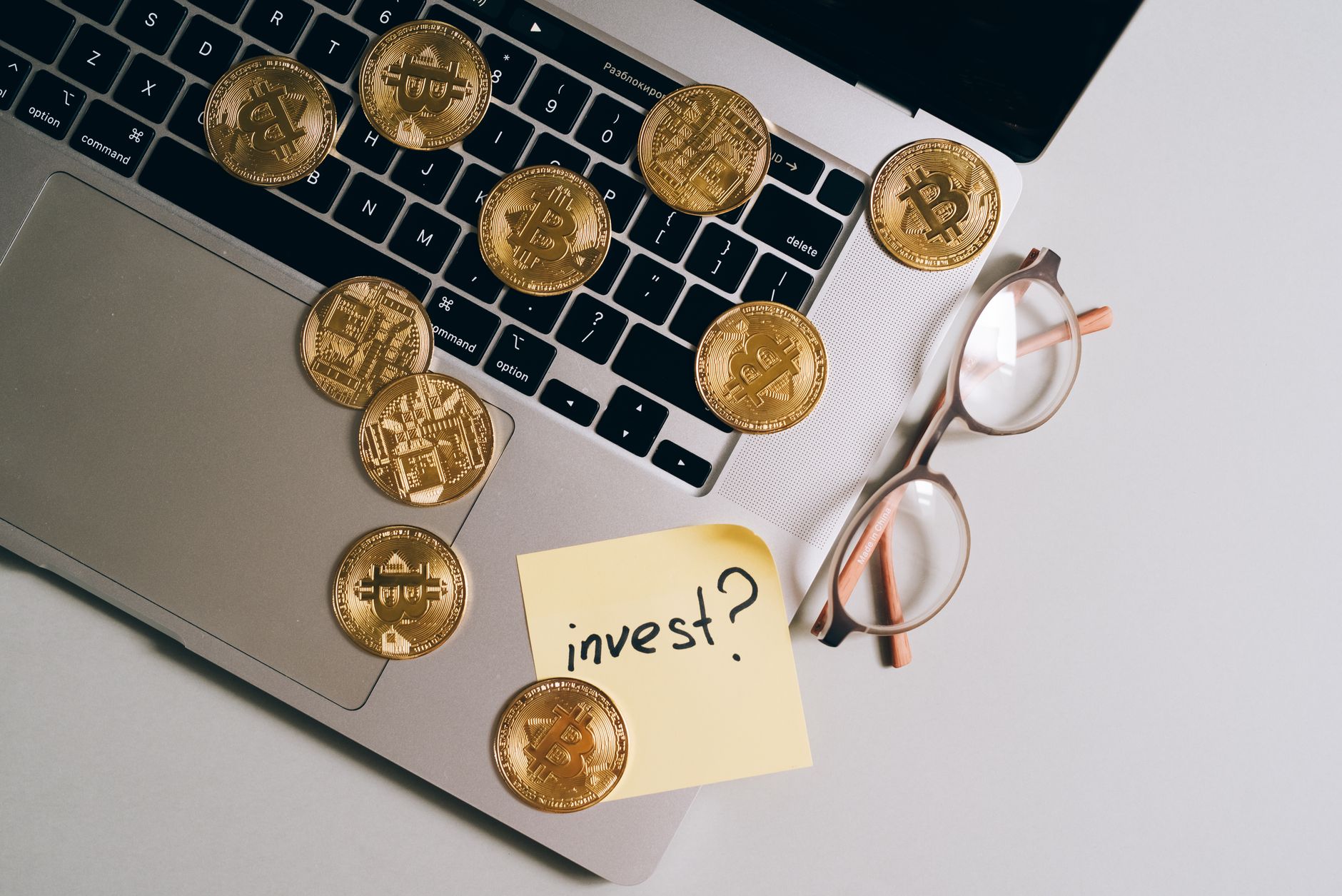
We often think of Big Tech as companies providing convenient services – connecting us with friends, offering entertainment, streamlining our shopping. But a less visible, and arguably more concerning, function of these tech giants is their influence on our financial lives. From subtly encouraging impulse purchases to shaping investment choices, algorithms are increasingly nudging us towards behaviors that benefit Big Tech, not necessarily us. This article will unpack how this manipulation happens, its consequences, and, crucially, what steps you can take to protect your financial well-being.
The Rise of Behavioral Finance & Big Tech's Keen Interest
For decades, financial theory assumed people were rational actors. Behavioral finance, however, proved that assumption wrong. Humans are predictably irrational. We’re prone to cognitive biases, emotional decision-making, and easily swayed by framing effects. Big Tech realized this wasn’t a flaw – it was an opportunity.
Big Tech companies amass vast amounts of data about our preferences, habits, and vulnerabilities. They then use this data to personalize our experiences, employing techniques rooted in behavioral psychology to influence our financial behaviors. This isn’t simply about showing you relevant ads; it’s about subtly altering your decision-making process.
How Big Tech Manipulates Your Finances: Specific Tactics
The ways Big Tech influences our finances are diverse and often insidious. Here's a breakdown of common tactics:
- Personalized Recommendations & "Dark Patterns": Amazon, for example, uses "Customers who bought this also bought..." recommendations. While seemingly helpful, this can encourage impulse purchases and spending on items you didn’t initially need. These recommendations aren't neutral; they're optimized to maximize revenue. “Dark patterns” – deceptive UI/UX designs – take this further. Think pre-checked boxes opting you into subscriptions, deliberately confusing cancellation processes, or framing choices to favor the most profitable option for the company.
- Gamification & Reward Systems: Many fintech apps use gamification – points, badges, and leaderboards – to encourage certain behaviors, like daily check-ins or frequent trading. While these can be motivating, they can also promote excessive risk-taking or a focus on short-term gains over long-term financial health. The dopamine rush from these rewards can be addictive.
- Social Proof & FOMO: Apps showcasing what friends are buying or investing in leverage social proof and the “fear of missing out” (FOMO). This is particularly prevalent in investment platforms, potentially leading users to make poorly informed decisions based on herd mentality. Seeing friends “win” can blind you to the inherent risks.
- Algorithmic Pricing & Dynamic Offers: Prices change based on your browsing history, location, and even the time of day. Airlines and hotels have been doing this for years, but it's becoming increasingly common across all e-commerce platforms. This dynamic pricing can prevent you from getting the best deal.
- Targeted Advertising: While not new, the sophistication of targeted advertising is increasing. Ads for high-interest loans or risky investment opportunities are often shown to vulnerable populations, exacerbating financial inequalities.
- "Buy Now, Pay Later" (BNPL) Normalization: The ease of BNPL services, heavily promoted by Big Tech partners, can encourage overspending and debt accumulation, especially among younger demographics. The perceived affordability masks the long-term cost of interest and potential late fees.
The Impact on Your Financial Well-being
The consequences of this algorithmic manipulation are significant:
- Increased Debt: Encouraged spending and easy access to credit contribute to rising household debt.
- Poor Investment Decisions: FOMO-driven investing and reliance on algorithmic advice can lead to significant financial losses. The recent meme stock craze is a prime example.
- Reduced Savings: Impulse purchases and the normalization of spending can erode savings rates.
- Exacerbation of Inequality: Targeted advertising and predatory lending practices disproportionately impact vulnerable communities.
- Erosion of Financial Autonomy: Subtle nudges and manipulated choices diminish your control over your own finances.
Regaining Control: Strategies for Financial Resilience
While fighting Big Tech’s influence directly is challenging, you can take proactive steps to protect your financial health:
- Be Mindful of Your Online Behavior: Recognize that your online activity is being tracked and analyzed. Be skeptical of personalized recommendations and targeted ads.
- Use Privacy-Focused Tools: A Virtual Private Network (VPN) like can mask your IP address and location, limiting data tracking. Privacy-focused browsers and search engines (like DuckDuckGo) can further enhance your privacy. Services like offer comprehensive data removal and protection.
- Disable Personalized Advertising: Adjust your privacy settings on social media platforms and in your browser to limit personalized advertising.
- Practice Conscious Spending: Before making a purchase, ask yourself if you need it or if you're being influenced by marketing tactics. Implement a 24-hour rule – wait a day before making non-essential purchases.
- Diversify Your Financial Information Sources: Don't rely solely on information provided by Big Tech companies. Seek out independent financial advice from qualified professionals.
- Educate Yourself about Behavioral Finance: Understanding the cognitive biases that affect your decision-making can help you make more rational choices.
- Automate Your Savings: Set up automatic transfers to a savings account to prioritize saving before spending.
- Review Your Subscription Services: Regularly audit your subscriptions and cancel any you don't use or need.
- Consider a Financial Planner: A qualified financial planner can help you develop a comprehensive financial plan and navigate complex financial decisions.
- Be Wary of BNPL: If you use BNPL, ensure you understand the terms and conditions, including interest rates and late fees, and can comfortably repay the debt.
- Secure Your Accounts: Use strong, unique passwords and enable two-factor authentication on all your financial accounts.
The Future of Finance & Regulation
The influence of Big Tech on finance is likely to grow. Fintech companies are disrupting traditional banking, and Big Tech is increasingly entering the financial services space. This necessitates stronger regulatory oversight.
Areas for regulation include:
- Data Privacy: Stricter data privacy laws are needed to limit the amount of personal information Big Tech companies can collect and use.
- Transparency of Algorithms: Algorithms used in financial services should be transparent and auditable to ensure they are fair and unbiased.
- Dark Pattern Bans: Legislation prohibiting the use of deceptive design patterns in financial products and services.
- Consumer Protection: Enhanced consumer protection measures to safeguard against predatory lending practices and financial manipulation.
- Antitrust Enforcement: Breaking up monopolies to encourage competition and reduce the power of Big Tech companies.
Conclusion: Taking Back Control
Big Tech's influence on our finances is a growing concern. By understanding the tactics employed and taking proactive steps to protect our financial well-being, we can regain control over our financial decisions. It requires vigilance, education, and a willingness to question the recommendations and nudges presented to us. The future of our financial autonomy depends on it.
Disclaimer: This article contains affiliate links (, , ). If you click on a link and make a purchase, I may receive a commission at no extra cost to you. This helps support the creation of valuable content like this. I am not a financial advisor, and this article is for informational purposes only. Please consult with a qualified financial professional before making any financial decisions.