SQL Patterns to Detect Transaction Fraud in Finance
Learn powerful SQL patterns to identify and prevent fraudulent transactions. This guide covers techniques for anomaly detection, behavioral analysis & more.
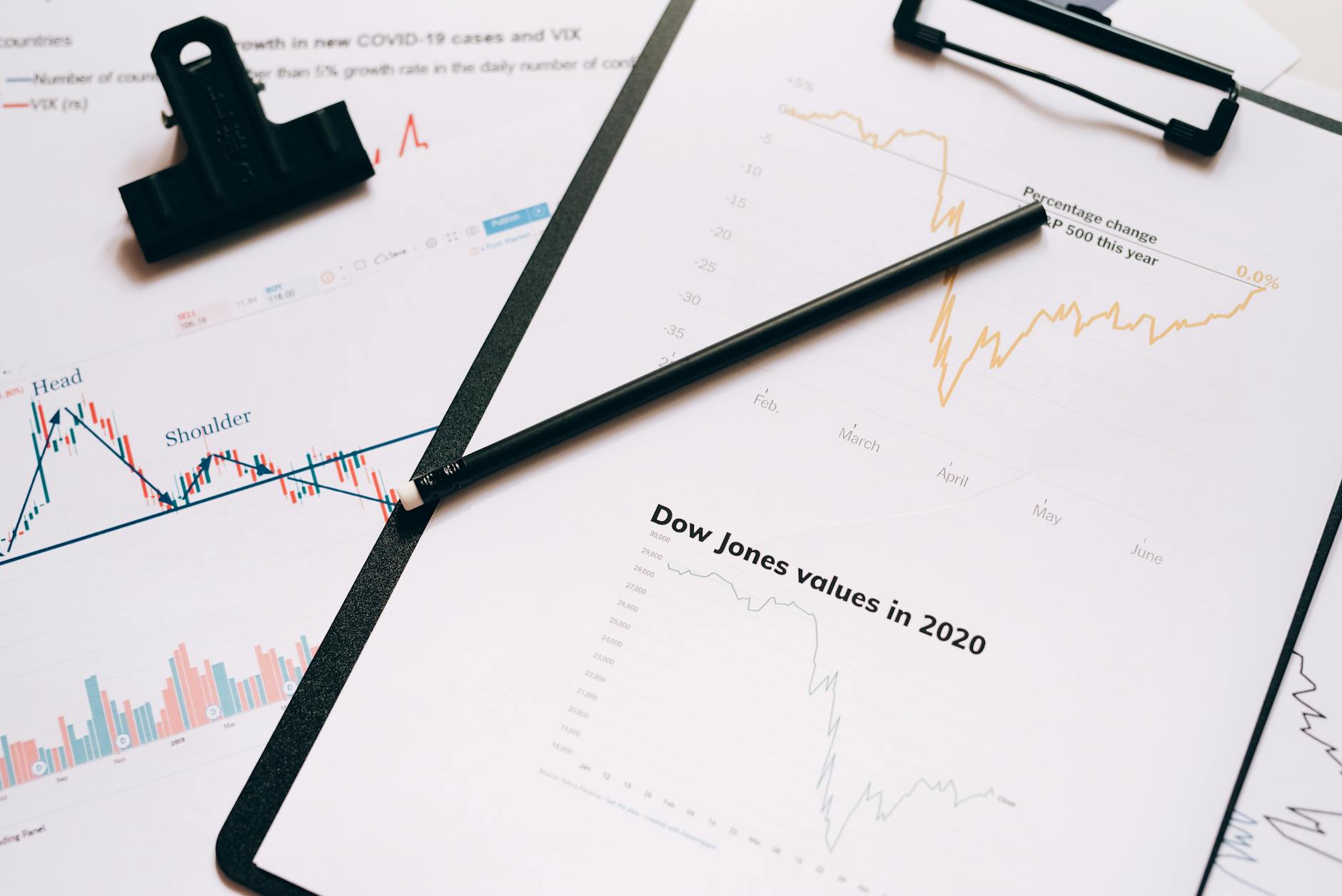
Transaction fraud is a persistent and evolving threat in the financial industry. Billions of dollars are lost annually, and the cost extends beyond mere monetary loss – it includes reputational damage and erosion of customer trust. While sophisticated machine learning models are increasingly deployed, a strong foundation in SQL remains essential for fraud detection. SQL allows for rapid investigation, alerting, and data preparation for more advanced analysis. This article will explore several powerful SQL patterns I regularly use to catch fraudulent activity. We’ll focus on practical techniques you can implement immediately.
Why SQL for Fraud Detection?
Before diving into the patterns, let’s clarify why SQL is so crucial.
- Direct Data Access: SQL provides direct access to the raw transaction data stored in relational databases. This is where the truth lives.
- Speed and Efficiency: Well-written SQL queries can quickly analyze large datasets, identifying suspicious patterns far faster than manual review.
- Real-time Monitoring: SQL can be integrated with alerting systems to flag potentially fraudulent transactions as they happen, enabling immediate action.
- Auditability: SQL queries are auditable, providing a clear record of how fraud was detected and allowing for adjustments as fraud tactics evolve.
- Complementary to ML: SQL is often used to prepare and feature engineer data before it’s fed into machine learning models, improving their accuracy.
1. Anomaly Detection: Identifying Outliers
One of the first lines of defense against fraud is identifying transactions that deviate significantly from the norm. Here are some SQL techniques:
- Z-Score Calculation: Calculate the Z-score for transaction amounts. Transactions with Z-scores exceeding a predefined threshold (e.g., 3 or -3) are flagged as anomalies.
```sql
WITH TransactionStats AS ( SELECT AVG(amount) AS avg_amount, STDDEV(amount) AS stddev_amount FROM transactions WHERE transaction_date BETWEEN '2023-01-01' AND '2023-01-31' --Define a time window ) SELECT t.transaction_id, t.amount, (t.amount - ts.avg_amount) / ts.stddev_amount AS z_score FROM transactions t, TransactionStats ts WHERE t.transaction_date BETWEEN '2023-01-01' AND '2023-01-31' AND ABS((t.amount - ts.avg_amount) / ts.stddev_amount) > 3;
- Interquartile Range (IQR): Identify outliers based on the IQR. Transactions falling below Q1 - 1.5IQR or above Q3 + 1.5IQR are considered outliers.
```sql
WITH Quartiles AS ( SELECT PERCENTILE_CONT(0.25) WITHIN GROUP (ORDER BY amount) AS q1, PERCENTILE_CONT(0.75) WITHIN GROUP (ORDER BY amount) AS q3 FROM transactions WHERE transaction_date BETWEEN '2023-01-01' AND '2023-01-31' ) SELECT transaction_id, amount FROM transactions WHERE transaction_date BETWEEN '2023-01-01' AND '2023-01-31' AND amount < (SELECT q1 FROM Quartiles) - 1.5 * (SELECT q3 FROM Quartiles - q1 FROM Quartiles) OR amount > (SELECT q3 FROM Quartiles) + 1.5 * (SELECT q3 FROM Quartiles - q1 FROM Quartiles);
- Rolling Averages/Standard Deviations: Calculate rolling averages and standard deviations of transaction amounts over a defined window (e.g., 7 days). Large deviations from the rolling average can indicate fraud.
2. Behavioral Analysis: Deviations from User Profiles
Fraudsters often exhibit behavior significantly different from legitimate users. SQL can help identify these deviations.
- Frequency Analysis: Track the number of transactions per user over time. A sudden spike in transaction frequency might be suspicious.
```sql
SELECT user_id, transaction_date, COUNT(*) AS transaction_count FROM transactions WHERE transaction_date BETWEEN '2023-01-01' AND '2023-01-31' GROUP BY user_id, transaction_date ORDER BY user_id, transaction_date;
Analyze this data to identify users with unusually high transaction counts on specific days.
-
Spending Patterns: Monitor changes in spending amounts. A user who typically spends small amounts suddenly making large purchases warrants investigation. Compare current spending to a user’s historical average.
-
Location Analysis: If location data is available, track the locations of transactions. Transactions originating from unusual locations (e.g., a user typically transacting in the US suddenly having transactions in Russia) are high-risk. Consider using geofencing techniques.
-
Time of Day: Analyze transaction times. Unusual transaction times for a specific user can be a red flag. For example, a user who typically only transacts during business hours suddenly making transactions at 3 AM.
3. Rule-Based Fraud Detection: Specific Criteria
Some fraudulent patterns are well-defined and can be detected using specific SQL rules.
- Duplicate Transactions: Identify duplicate transactions (same amount, same merchant, same time window).
```sql
SELECT t1.transaction_id, t1.amount, t1.transaction_date FROM transactions t1 JOIN transactions t2 ON t1.amount = t2.amount AND t1.merchant_id = t2.merchant_id AND ABS(UNIX_TIMESTAMP(t1.transaction_date) - UNIX_TIMESTAMP(t2.transaction_date)) < 3600 --Within 1 hour WHERE t1.transaction_id <> t2.transaction_id;
- High-Value Transactions: Flag transactions exceeding a predefined threshold.
```sql
SELECT transaction_id, amount FROM transactions WHERE amount > 10000; --Example threshold
- Blacklisted Merchants: Maintain a list of known fraudulent merchants and flag transactions involving them.
```sql
SELECT t.transaction_id, t.amount, t.merchant_id FROM transactions t JOIN blacklisted_merchants bm ON t.merchant_id = bm.merchant_id;
| Rule Description | Severity | SQL Snippet (Partial) |
|---|---|---|
| Duplicate Transaction | High | ... JOIN transactions t2 ON ... |
| High Value Transaction (> $10,000) | Medium | WHERE amount > 10000 |
| Blacklisted Merchant | High | JOIN blacklisted_merchants bm ON ... |
| Unusual Transaction Time | Low | WHERE EXTRACT(HOUR FROM transaction_date) BETWEEN 0 AND 6 |
4. Network Analysis: Identifying Collusion
Fraud often involves multiple actors colluding. SQL can help identify suspicious connections.
- Shared IP Addresses: Identify users sharing the same IP address. While not inherently fraudulent, it’s a risk factor, especially if combined with other suspicious indicators.
```sql
SELECT ip_address, COUNT(DISTINCT user_id) AS user_count FROM transactions GROUP BY ip_address HAVING user_count > 5; --Example threshold
- Linked Accounts: If you have data linking accounts (e.g., shared bank accounts, linked cards), identify connections between potentially fraudulent accounts.
5. Combining Patterns and Alerting
The most effective fraud detection systems combine multiple patterns. For example:
- Identify anomalies using Z-score.
- For anomalous transactions, check for deviations in spending patterns.
- If both anomalies are present, flag the transaction for review.
This can be implemented using Common Table Expressions (CTEs) or temporary tables in SQL to chain the queries together. Integrate these queries with an alerting system (e.g., sending email notifications or triggering automated investigations). You might consider using a tool like https://example.com/ to help manage alerts and investigations.
Further Exploration & Tools
SQL is a powerful starting point. For more advanced fraud detection, consider:
- Machine Learning: Train machine learning models on historical transaction data to predict fraudulent transactions.
- Real-time Stream Processing: Use tools like Apache Kafka or Apache Flink to analyze transactions in real-time.
- Data Visualization: Use tools like Tableau or Power BI to visualize fraud patterns and trends.
- Database Security: Implement robust database security measures to prevent unauthorized access and data breaches.
Disclaimer
Affiliate Disclosure: This article contains affiliate links to products and services. If you make a purchase through these links, I may receive a commission at no extra cost to you. My recommendations are based on my own experience and research, and I only promote products I believe will be valuable to my readers.