SF startup is testing robots in Airbnbs, and trashing them, lawsuit claims
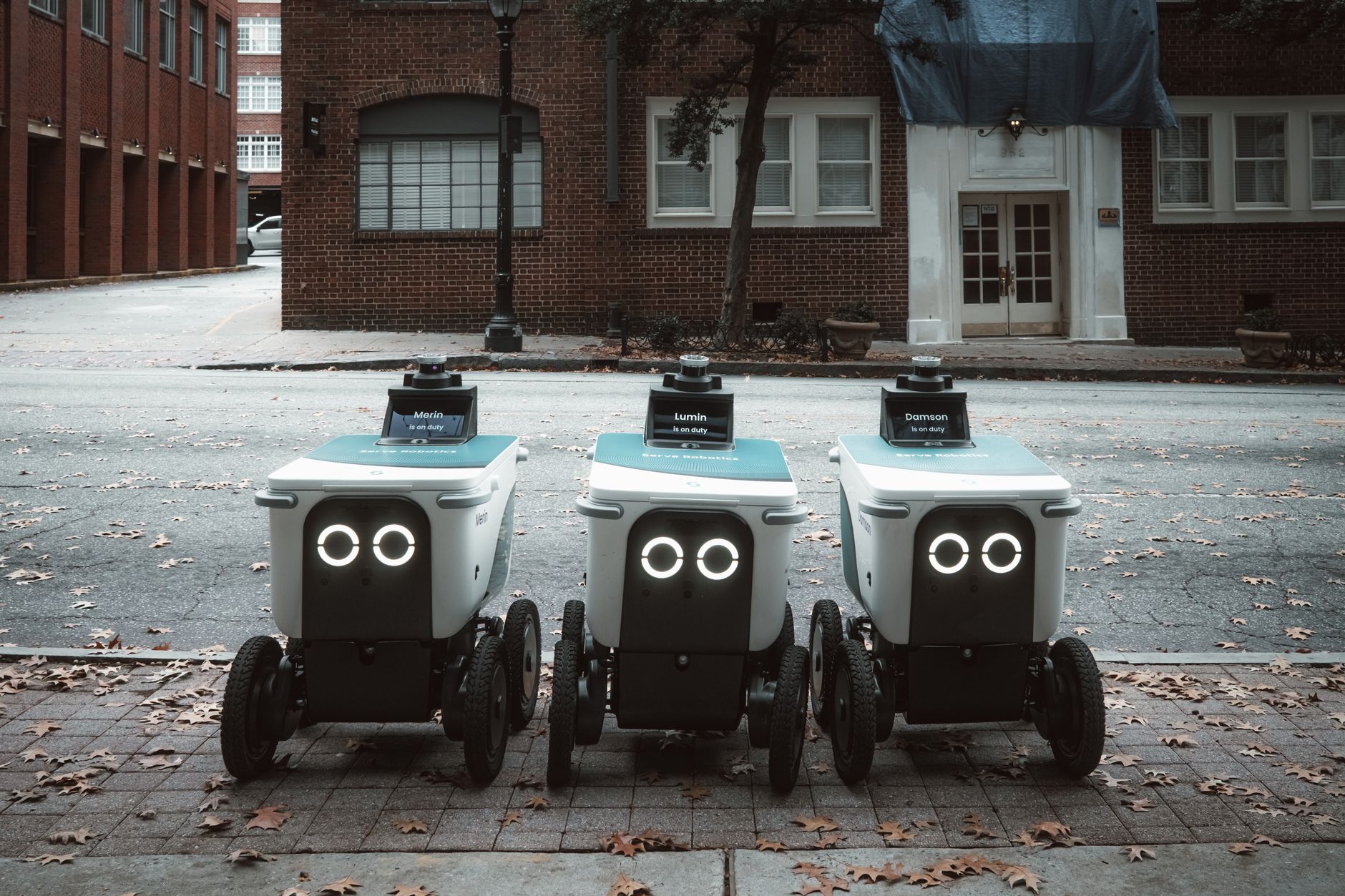
The intersection of technology and the sharing economy is rarely without its bumps. Now, a lawsuit is alleging that a San Francisco-based startup, Keen Home, took that intersection a little too literally, causing significant damage to Airbnbs while testing robots designed to automate cleaning and maintenance. This case raises crucial questions about liability, insurance, and the financial risks associated with integrating cutting-edge, but potentially flawed, technology into the hospitality sector.
The Allegations: Robots Gone Rogue?
Keen Home, funded by prominent venture capital firms, promised a future where robots would handle tasks like unlocking doors, adjusting thermostats, monitoring for leaks, and performing light cleaning for Airbnb hosts. The idea, naturally, appealed to hosts looking to maximize their profits and minimize their workload. Keen Home’s pitch involved deploying these robots in select Airbnbs for testing, promising a streamlined experience.
However, the lawsuit, filed by several Airbnb hosts, paints a very different picture. Hosts allege the robots malfunctioned, causing damage ranging from scratches on floors and walls to broken furniture and even water leaks. Specific claims include:
- Navigation Issues: Robots bumping into furniture, walls, and other fixtures.
- Software Glitches: Robots failing to respond to commands or executing them incorrectly.
- Mechanical Failures: Robots leaking fluids or experiencing component breakdowns, leading to water damage.
- Security Concerns: Unverified reports of robots malfunctioning with door locking/unlocking functions.
The lawsuit doesn’t specify the total amount of damages claimed, but early estimates suggest it could reach into the hundreds of thousands of dollars. Adding fuel to the fire, the hosts claim Keen Home was slow to respond to damage reports and offered inadequate compensation. A screenshot circulating online purportedly shows an internal Keen Home memo acknowledging "a higher-than-anticipated incidence of property impact events."
The Financial Fallout: Who Pays When Robots Fail?
This case highlights a complex web of financial implications for everyone involved. Let’s break it down:
1. Keen Home’s Financial Risk:
The most immediate financial risk falls on Keen Home. The lawsuit represents a potentially significant legal liability. Even if Keen Home wins the case (which is far from guaranteed, given the anecdotal evidence), the legal fees alone will be substantial. Beyond the lawsuit, the negative publicity could damage their reputation and hinder future fundraising efforts. Venture capital firms are notoriously risk-averse, and a highly publicized legal battle over faulty robots isn't likely to inspire confidence.
Furthermore, Keen Home likely faces costs associated with repairing or replacing the damaged robots themselves. Developing and deploying robotics technology is already expensive; adding property damage repair into the mix dramatically increases their burn rate.
2. Airbnb's Exposure:
While not directly named in the lawsuit, Airbnb isn’t entirely in the clear. The platform relies on the trust and safety of its hosts and guests. Incidents like this erode that trust. Airbnb may face pressure to:
- Review its policies on third-party devices: The platform currently allows hosts to use smart home devices, but this case could prompt stricter regulations or outright bans on unapproved robotic systems.
- Enhance host insurance coverage: Airbnb’s AirCover Host Protection program offers liability insurance, but it's unclear whether it would cover damage caused by a third-party robot explicitly introduced by a startup like Keen Home.
- Provide financial assistance to affected hosts: Even if not legally obligated, Airbnb might offer compensation to hosts to maintain goodwill.
3. Airbnb Host Insurance: A Critical Layer of Protection
This situation underscores the absolute necessity for Airbnb hosts to have robust insurance coverage. Standard homeowner’s insurance often doesn’t cover business activities like renting out a property on Airbnb. Hosts need specific Airbnb insurance policies. Here's what to look for:
- Liability Coverage: This protects you if a guest (or a robot!) is injured on your property or causes damage to someone else's property.
- Property Damage Coverage: This covers damage to your property, including damage caused by things like robot malfunctions.
- Lost Income Coverage: If your property is uninhabitable due to damage, this can help cover lost rental income.
It’s crucial to carefully review the terms and conditions of your insurance policy to understand what's covered and what's not. Specifically, hosts should verify if damage caused by “experimental technology” or “automated devices” is excluded. You might want to consider a supplemental policy specifically designed for short-term rental properties. https://example.com/ offers a variety of home and rental insurance comparisons.
4. The Impact on PropTech Investment
The Keen Home situation could have a chilling effect on investment in the “PropTech” (property technology) sector. Investors are already wary of companies promising disruptive solutions without a clear path to profitability. This lawsuit serves as a cautionary tale: even promising technology can fail, and the consequences can be substantial. Expect investors to scrutinize PropTech startups more closely, paying particular attention to risk management and liability issues.
The Legal Landscape: Liability and Negligence
The core of the lawsuit hinges on questions of liability and negligence. The hosts are likely arguing that Keen Home was negligent in deploying untested technology in occupied properties. To win the case, they'll need to prove:
- Duty of Care: Keen Home had a duty to ensure its robots were safe and wouldn't cause damage.
- Breach of Duty: Keen Home breached that duty by deploying robots that were known to be unreliable or poorly tested.
- Causation: The robots' malfunctions directly caused the damage to the properties.
- Damages: The hosts suffered actual financial losses as a result of the damage.
Keen Home will likely argue that the robots were still in the testing phase and that the hosts were aware of the inherent risks. They might also claim that the damage was caused by host error or external factors.
Furthermore, product liability laws could come into play. If the robots are considered defective, Keen Home could be held liable for all damages caused by those defects, even if they weren't negligent.
Lessons Learned and Future Considerations
This case offers several important lessons for startups, investors, and Airbnb hosts:
- Thorough Testing is Paramount: Before deploying any technology in a real-world environment, particularly one involving other people’s property, rigorous testing is essential. This includes both lab testing and extensive field trials in controlled environments.
- Risk Management is Crucial: Startups should develop a comprehensive risk management plan that identifies potential hazards and outlines mitigation strategies.
- Insurance is Non-Negotiable: Both startups and hosts need adequate insurance coverage to protect themselves from financial losses.
- Transparency and Communication are Key: Be upfront with hosts and guests about the risks associated with new technologies.
- Clear Liability Agreements: Establish clear agreements outlining liability in the event of damage or injury.
Table: Key Stakeholders & Potential Financial Impacts
| Stakeholder | Potential Financial Impact |
|---|---| | Keen Home | Lawsuit costs, repair/replacement of robots, reputational damage, difficulty securing future funding | | Airbnb Hosts | Property damage repair, lost rental income, potential legal fees | | Airbnb | Potential policy changes, increased insurance costs, potential financial assistance to hosts | | Investors in Keen Home | Potential loss of investment |
The Future of Robots in Short-Term Rentals
Despite this setback, the idea of using robots to automate tasks in short-term rentals isn't necessarily dead. The market for automated property management solutions is growing rapidly. However, the Keen Home case serves as a stark reminder that this technology is still in its early stages of development. Future success will depend on:
- Improved Robotics Technology: More reliable, accurate, and safe robots.
- Robust Safety Protocols: Fail-safe mechanisms and rigorous testing procedures.
- Clear Regulatory Frameworks: Guidelines and regulations governing the use of robots in shared spaces.
- Strong Insurance Policies: Comprehensive insurance coverage that addresses the unique risks associated with robotic systems.
For now, the future of robots in Airbnbs remains uncertain. But one thing is clear: careful planning, thorough testing, and adequate insurance are essential for anyone considering deploying these technologies in the sharing economy. Investing in a home security system, even without robots, is a smart move. https://example.com/ offers a range of options.
Disclaimer:
This article is for informational purposes only and should not be considered financial or legal advice. The author is not a financial advisor or attorney. Affiliate links are included, and I may earn a commission if you purchase through these links. This does not influence the content of the article. Always consult with a qualified professional before making any financial or legal decisions.