Removable batteries in smartphones will be mandatory in the EU starting in 2027
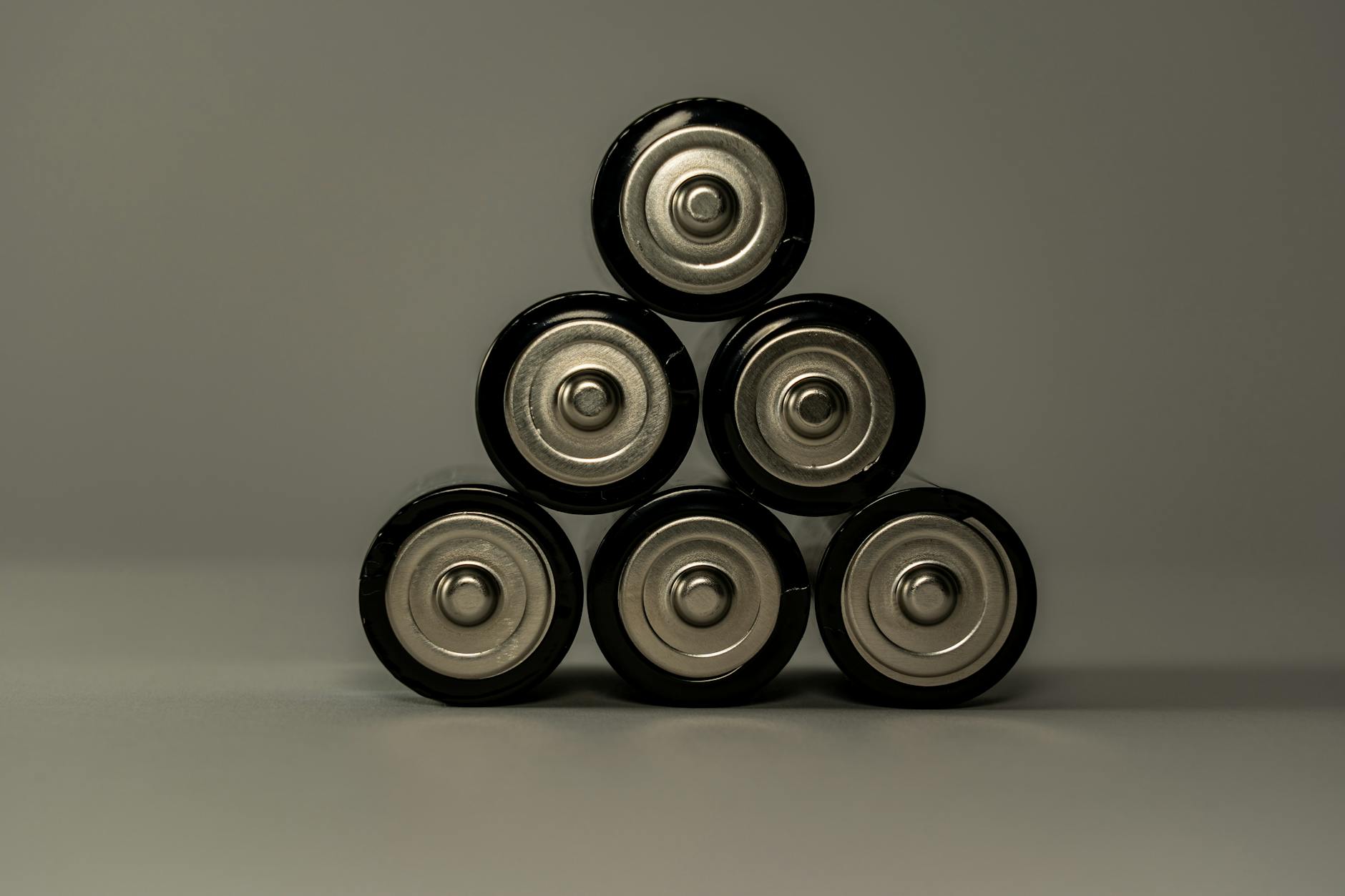
The European Union is poised to significantly disrupt the smartphone industry with a new regulation mandating removable and replaceable batteries in all smartphones and other portable electronic devices sold within its borders, starting in 2027. This isn't simply a consumer convenience upgrade; it's a sweeping change with substantial financial implications for manufacturers, consumers, battery technology developers, and investors. This article dives deep into the financial fallout of this decision, examining the potential winners and losers, emerging investment opportunities, and the broader economic impact.
The New Regulation: What Does It Mean?
For years, smartphone manufacturers have moved towards sealed devices, citing design benefits and water resistance. However, this has come at a cost: difficult and expensive battery replacements, contributing to electronic waste and frustrating consumers. The EU’s new ‘Right to Repair’ legislation tackles this head-on.
Here's a breakdown of the key aspects:
- Removable Batteries: All smartphones, tablets, and portable batteries sold in the EU must have user-replaceable batteries by January 1st, 2027.
- Battery Life Transparency: Manufacturers must provide clearer information about battery health and expected lifespan.
- Repairability Score: Devices will be scored based on their repairability, influencing consumer choices.
- Extended Warranty: The legislation also extends the minimum legal guarantee for new products to two years, reinforcing durability expectations.
This is a significant shift. The move is driven by environmental concerns, a desire to empower consumers, and the growing momentum of the ‘Right to Repair’ movement globally. But the financial implications are where things get interesting.
Impact on Smartphone Manufacturers: Costs & Challenges
The biggest immediate impact will be felt by smartphone manufacturers like Apple, Samsung, and Xiaomi. Re-engineering devices to accommodate removable batteries requires substantial investment.
- Redesign Costs: Rethinking device chassis, internal layouts, and sealing mechanisms will be expensive. Estimates vary widely, but some analysts predict costs ranging from $10 to $30 per device increase in manufacturing. For companies selling hundreds of millions of units annually, this adds up quickly.
- Production Complexity: Adding a removable battery component increases production complexity and potentially manufacturing defects.
- Water Resistance Concerns: Achieving the same level of water resistance in a device with a removable battery will be a significant engineering challenge, potentially requiring new materials and sealing technologies.
- Brand Perception: Some manufacturers, particularly Apple, have built their brand around sleek, minimalist designs. A shift to removable batteries could challenge that perception.
- Potential Price Increases: Manufacturers may attempt to pass these increased costs onto consumers, potentially impacting sales volume, particularly in a competitive market. A high-end smartphone currently costing €1000 might increase to €1030 or more.
Image Suggestion: *A split image showing a sealed smartphone being pried open with tools versus a smartphone with a clearly accessible battery compartment.
However, it’s not all doom and gloom for manufacturers. Some could see it as an opportunity to differentiate themselves based on repairability and sustainability, attracting environmentally conscious consumers. Companies that proactively invest in innovative battery designs and repair solutions could gain a competitive edge.
The Rise of Battery Technology Companies & Component Suppliers
The EU regulation is a huge boon for companies specializing in battery technology and components.
- Demand for Removable Battery Technology: Expect a surge in demand for standardized, high-quality removable batteries. This benefits companies that manufacture these batteries – primarily those specializing in lithium-ion and potentially emerging technologies like solid-state batteries.
- Battery Management Systems (BMS): Sophisticated BMS are crucial for ensuring safety and optimizing performance in removable batteries. Companies producing these systems will see increased demand.
- Charging Solutions: The need for compatible and efficient charging solutions will also rise.
- New Materials & Designs: Research and development into lighter, more durable, and higher-capacity battery materials and designs will be incentivized. This opens opportunities for materials science companies.
Investment Opportunities: This is where the real potential lies. Look for companies specializing in:
- Advanced Battery Materials: Companies developing materials like silicon anodes, solid electrolytes, and high-nickel cathodes.
- Battery Recycling Technologies: As more batteries are replaced, efficient and environmentally responsible recycling technologies become critical. https://example.com/ could link to a portable battery recycling kit.
- BMS Development: Companies offering advanced BMS with features like predictive maintenance and optimized charging profiles.
Consumer Impact: Cost Savings and Increased Choice
Consumers stand to benefit significantly from the new regulations.
- Lower Repair Costs: Replacing a dead battery will no longer require a trip to a repair shop or the purchase of a new device. This translates to substantial cost savings over the lifespan of a smartphone.
- Extended Device Lifespan: The ability to easily replace a battery extends the usable life of a smartphone, delaying the need for upgrades.
- Increased Choice: Consumers will have more control over the batteries they use – potentially choosing higher-capacity or longer-lasting alternatives.
- Environmental Benefits: Reduced electronic waste contributes to a more sustainable economy.
However, consumers might initially face higher upfront costs for smartphones as manufacturers pass on redesign expenses. The long-term savings from reduced repair costs are expected to outweigh this initial increase.
Image Suggestion: *A graphic illustrating the cost comparison of replacing a battery in a sealed smartphone vs. a smartphone with a removable battery.
The Circular Economy & Investment in Sustainability
The EU’s move aligns perfectly with the principles of the circular economy – reducing waste, extending product lifecycles, and promoting resource efficiency. This creates a favorable environment for investments in sustainable technologies and business models.
- Second-hand Market Boost: Easier battery replacement will revitalize the second-hand smartphone market, making older devices more attractive to buyers.
- Battery Subscription Services: We might see the emergence of battery subscription services, where consumers pay a monthly fee for access to a fresh battery whenever needed.
- Refurbishing & Repair Businesses: The demand for professional smartphone repair services will likely increase, creating opportunities for entrepreneurs and existing repair shops.
Table: Potential Investment Areas & Risk/Reward Profile
| Investment Area | Risk Level | Potential Reward |
|------------------------------|------------|-------------------| | Advanced Battery Materials | High | Very High | | Battery Recycling Tech | Medium | High | | BMS Development | Medium | Medium-High | | Refurbishing/Repair Services | Low | Medium | | Second-hand Smartphone Market| Low | Medium |
Broader Economic Implications
Beyond the immediate impact on the smartphone industry, the EU regulation could have broader economic consequences:
- Innovation in Battery Technology: The demand for better, more sustainable battery solutions will spur innovation across the entire battery technology ecosystem.
- Job Creation: New jobs will be created in battery manufacturing, repair services, and recycling facilities.
- Reduced Reliance on Rare Earth Minerals: Investment in alternative battery chemistries and recycling technologies could reduce reliance on conflict minerals and promote resource independence.
- Global Trend Setter: The EU's regulation could serve as a model for other countries, potentially leading to a global shift towards more sustainable and repairable electronics.
Challenges & Considerations
Despite the positive outlook, some challenges remain:
- Standardization: Establishing common standards for removable battery size, connectors, and safety protocols will be crucial.
- Counterfeit Batteries: The influx of cheap, low-quality counterfeit batteries could pose a safety risk. Robust quality control measures will be essential.
- Lobbying Efforts: Some manufacturers may continue to lobby for exemptions or delays in implementing the regulation.
Image Suggestion: *A graphic depicting a circular economy model for smartphones, emphasizing battery recycling and reuse.
Conclusion
The EU’s mandate for removable batteries in smartphones is a game-changer. While presenting short-term challenges for manufacturers, it opens up significant financial opportunities for battery technology companies, component suppliers, and investors focused on sustainability. Consumers will benefit from lower repair costs, extended device lifespans, and increased choice. This regulation isn’t just about batteries; it’s about fostering a more sustainable, circular economy for consumer electronics. Investors who recognize this trend and strategically allocate capital to the right companies stand to reap substantial rewards. https://example.com/ could link to a relevant book about investing in green tech.
Disclaimer:
This article is for informational purposes only and should not be considered financial advice. The author may receive a commission from purchases made through affiliate links included in this article. Investment decisions should be based on your own research and due diligence. The financial landscape is constantly evolving, and past performance is not indicative of future results.