Nvidia RTX Spark
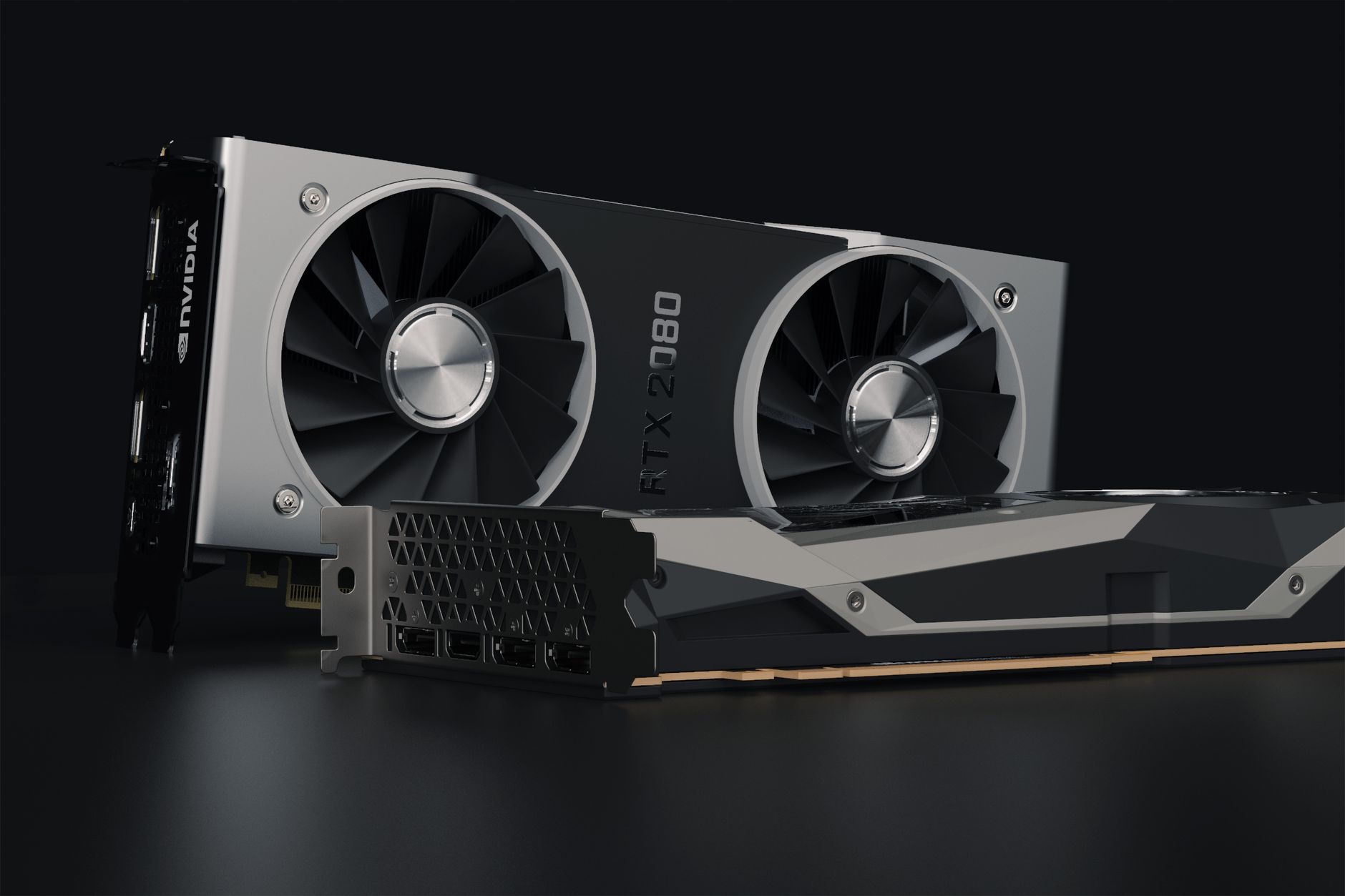
The financial industry is undergoing a seismic shift, driven by the exponential growth of Artificial Intelligence (AI) and Machine Learning (ML). From fraud detection and algorithmic trading to risk management and customer service, AI is no longer a futuristic concept – it’s a present-day necessity. Nvidia, a leader in GPU technology, has recognized this demand and responded with the RTX Spark, a dedicated AI co-processor specifically designed to accelerate financial workflows. This article will delve deep into the Nvidia RTX Spark, examining its capabilities, potential applications within finance, and whether it's a worthwhile investment for firms looking to gain a competitive edge.
What is the Nvidia RTX Spark?
The RTX Spark isn't a graphics card in the traditional sense. While it leverages Nvidia’s renowned GPU architecture, it’s fundamentally an AI co-processor. Think of it as a specialized engine built to handle the massively parallel computations that underpin modern AI models. Unlike CPUs, which are general-purpose processors, and even traditional GPUs which are optimized for graphics rendering, the RTX Spark is architected specifically for inference – taking trained AI models and applying them to new data.
This focused design yields significant performance benefits. It excels at tasks like:
- Fast Inference: Quickly processing large datasets through AI models.
- Low Latency: Providing near-real-time results, crucial for time-sensitive financial applications.
- High Throughput: Handling numerous requests concurrently.
- Energy Efficiency: Delivering strong performance per watt, lowering operational costs.
Why Finance Needs Dedicated AI Hardware
Traditionally, financial institutions have relied on CPUs and GPUs for their computational needs. However, the demands of modern AI are straining these resources. Here's why dedicated AI hardware like the RTX Spark is becoming essential:
- Increasing Model Complexity: AI models are growing exponentially in size and complexity, requiring more computational power.
- Real-Time Requirements: Algorithmic trading, fraud detection, and risk management demand near-instantaneous responses. Delays can mean lost opportunities or significant financial losses.
- Data Volume: The amount of financial data being generated is exploding. Processing this data effectively requires specialized hardware.
- Competitive Advantage: Firms that can leverage AI faster and more efficiently gain a significant edge over their competitors.
The RTX Spark addresses these challenges by providing a dedicated, optimized platform for AI inference, freeing up CPUs and GPUs to handle other crucial tasks. This results in faster processing times, reduced latency, and improved overall system performance.
Key Applications of RTX Spark in the Financial Sector
The potential applications of the RTX Spark within the finance industry are vast and rapidly expanding. Here are some key areas where it’s making a significant impact:
1. Algorithmic Trading
High-frequency trading (HFT) and quantitative trading strategies rely on analyzing massive datasets and making split-second decisions. The RTX Spark's low latency and high throughput are ideal for accelerating these algorithms. It can power more sophisticated trading models, identify fleeting arbitrage opportunities, and optimize trade execution strategies.
2. Risk Management & Fraud Detection
Financial institutions face constantly evolving risks, from credit risk and market risk to operational risk and fraud. AI models can analyze historical data and identify patterns to predict and mitigate these risks. The RTX Spark can accelerate these risk assessment models, providing real-time insights and improving decision-making. For fraud detection, the Spark’s speed allows for rapid analysis of transactions, flagging suspicious activity before it causes significant damage.
3. Credit Scoring & Loan Underwriting
Traditional credit scoring models are often based on limited data. AI can incorporate a wider range of data points – including alternative data sources – to create more accurate and nuanced credit assessments. The RTX Spark enables faster and more efficient loan underwriting processes, potentially expanding access to credit while minimizing risk.
4. Portfolio Optimization
Building and managing investment portfolios requires careful consideration of risk and return. AI algorithms can analyze market data, predict asset performance, and optimize portfolio allocations. The RTX Spark can accelerate these portfolio optimization models, helping investors achieve their financial goals.
5. Customer Service & Chatbots
AI-powered chatbots are becoming increasingly common in the financial industry, providing 24/7 customer support and handling routine inquiries. The RTX Spark can power more sophisticated chatbots that can understand complex questions, provide personalized advice, and resolve issues efficiently.
RTX Spark: Technical Specifications and Comparison
While specific technical details are constantly evolving, here's a general overview of the RTX Spark's key features. Note that variations exist within the product line to cater to different needs.
| Feature | Specification (Approximate) |
|---|---| | Architecture | Nvidia Hopper (or subsequent generation) | | Tensor Cores | High Density, Optimized for INT8/FP16 | | Memory | High Bandwidth Memory (HBM) – capacity varies by model | | Power Consumption | Typically 75-300W (depending on configuration) | | Form Factor | PCIe Card, compact size | | Interface | PCIe Gen4/Gen5 | | Target Workloads | AI Inference, Financial Modeling, Risk Analysis |
Comparison to Traditional GPUs:
The RTX Spark isn't meant to replace high-end GPUs like the Nvidia A100 or H100. Instead, it's designed to complement them. Traditional GPUs excel at training AI models (the computationally intensive process of building the model). The RTX Spark excels at inference – running those trained models on new data. It provides a cost-effective and energy-efficient solution for deploying AI models in production. It's also often more readily available than top-tier training GPUs.
Investment Considerations: Is the RTX Spark Right for Your Firm?
The Nvidia RTX Spark represents a significant investment. Here are key factors to consider before making a purchase:
- Existing AI Infrastructure: Do you already have a robust AI infrastructure in place, including data pipelines, model training capabilities, and skilled data scientists? The Spark integrates best into existing AI ecosystems.
- Workload Analysis: Identify your most computationally demanding AI workloads. The Spark is most beneficial for inference-heavy tasks.
- Total Cost of Ownership (TCO): Consider not just the initial purchase price, but also the costs of power consumption, cooling, and maintenance.
- Scalability: Can the RTX Spark be easily scaled to meet your future needs? Nvidia offers multiple form factors and configurations to support different deployment scenarios.
- Vendor Support: Nvidia provides extensive documentation, software tools, and support for its products.
For large financial institutions with significant AI investments, the RTX Spark is likely a compelling solution. It can deliver a substantial return on investment by accelerating critical workflows and improving decision-making. Smaller firms may want to start with cloud-based AI services or explore more cost-effective GPU options before investing in dedicated AI co-processors.
You can find more information and potentially purchase the Nvidia RTX Spark through authorized retailers like https://example.com/ or local distributors https://example.com/ (availability may vary).
The Future of AI in Finance & The Role of RTX Spark
The adoption of AI in the financial industry is only going to accelerate. As AI models become more sophisticated and data volumes continue to grow, dedicated AI hardware like the RTX Spark will become increasingly essential. We can expect to see further innovations in AI co-processing, with even more specialized architectures designed to address the unique challenges of the financial sector. The Nvidia RTX Spark is not just a product; it's a signal of the future – a future where AI is deeply integrated into every aspect of the financial world, driving efficiency, innovation, and profitability.
Disclaimer:
This article contains affiliate links. If you purchase a product through one of these links, we may receive a small commission. This helps support our website and allows us to continue providing valuable content. The views and opinions expressed in this article are for informational purposes only and should not be construed as financial advice. Always conduct your own research and consult with a qualified financial advisor before making any investment decisions.