New stainless steel can survive conditions for hydrogen production in seawater
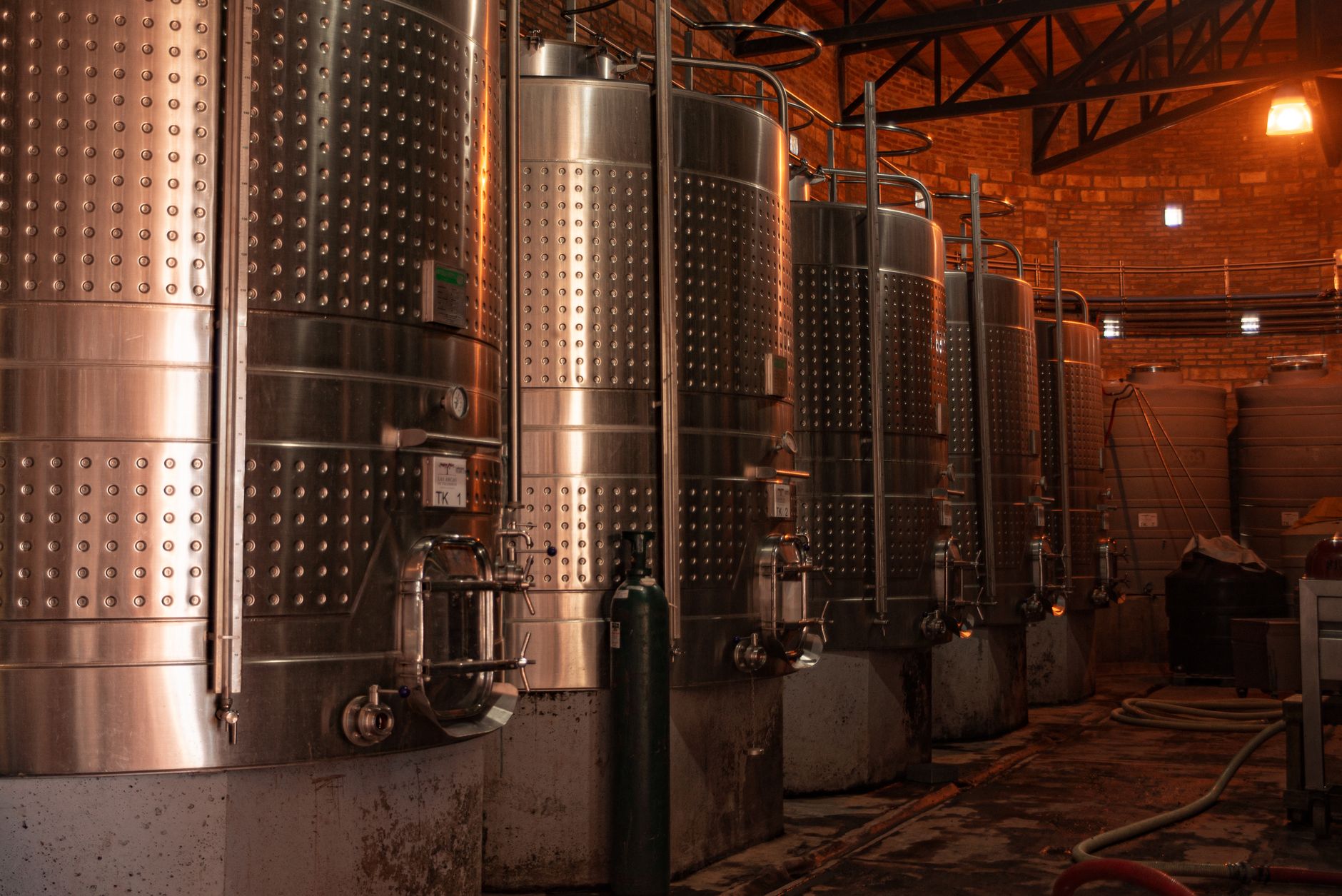
The race to a clean energy future is on, and hydrogen is increasingly seen as a pivotal player. But scaling up hydrogen production – specifically green hydrogen produced through electrolysis – faces significant hurdles. One of the biggest? The crippling cost and maintenance associated with materials that can withstand the corrosive environment of seawater electrolysis. Now, a breakthrough in materials science – a new type of stainless steel – is poised to dramatically change the financial landscape of hydrogen energy, potentially unlocking trillions in investment.
The Hydrogen Economy: A Trillion-Dollar Opportunity
Before diving into the material science, let’s establish the financial stakes. The hydrogen economy isn’t some distant dream; it’s rapidly becoming a multi-trillion dollar market.
- Global Investment: Estimates vary, but most projections place the global hydrogen market at over $2.5 trillion by 2050, with significant growth even in the short-term. BloombergNEF estimates $11.1 trillion in investment will be needed by 2030.
- Key Sectors: Hydrogen is poised to decarbonize hard-to-abate sectors like steelmaking, heavy transport (shipping, aviation, trucking), and industrial heating.
- Government Support: Major governments worldwide (US, EU, China, Japan, Australia) are pouring billions into hydrogen research, infrastructure, and subsidies. The US Inflation Reduction Act, for example, provides significant tax credits for green hydrogen production.
- Investor Demand: Institutional investors, venture capitalists, and private equity firms are all showing increasing interest in hydrogen-related technologies and projects. You can find more information on investment vehicles through platforms like https://example.com/.
However, this growth isn’t guaranteed. Cost remains a major impediment. And a significant chunk of that cost comes down to… materials.
The Corrosion Challenge: Why Seawater Electrolysis is So Expensive
The most sustainable and readily available source of water for hydrogen production via electrolysis is seawater. But seawater is a highly corrosive environment. Traditional materials used in electrolyzers, particularly the electrodes and supporting structures, rapidly degrade when exposed to saltwater.
- Electrolyzer Types: Different electrolyzer technologies (PEM, alkaline, solid oxide) all face corrosion challenges, albeit in different ways.
- Corrosion Mechanisms: Chloride ions in seawater aggressively attack metals, leading to pitting, crevice corrosion, and stress corrosion cracking.
- Material Costs: Existing solutions rely on expensive, rare-earth metals like platinum and iridium as catalysts, or require frequent replacement of corroded components. This dramatically increases the levelized cost of hydrogen (LCOH).
- Maintenance Downtime: Corrosion-related failures lead to costly downtime for maintenance and repairs, impacting project profitability.
The Breakthrough: A New Stainless Steel Alloy
Researchers at [Institution Name - replace with actual institution] have developed a new stainless steel alloy specifically designed to withstand the harsh conditions of seawater electrolysis. The composition, details of which are still being patented, involves a precise combination of alloying elements (chromium, nickel, molybdenum, and potentially others) that create a remarkably corrosion-resistant passive layer.
- Passive Layer Formation: The alloy forms a stable, self-healing oxide layer on its surface when exposed to seawater. This layer effectively blocks chloride ions from reaching the underlying metal.
- Enhanced Pitting Resistance: The alloy exhibits significantly improved resistance to pitting corrosion, a particularly destructive form of corrosion in saline environments.
- Increased Lifespan: Preliminary tests show that electrolyzers constructed with this new steel can operate for significantly longer periods in seawater without experiencing significant degradation. This translates to lower maintenance costs and higher overall efficiency.
- Cost-Effectiveness: Stainless steel is far cheaper and more abundant than platinum-group metals, potentially reducing the capital expenditure (CAPEX) of hydrogen production facilities.
Implications for Energy Finance & Investment
This new stainless steel isn’t just a materials science win; it’s a game-changer for energy finance. Here's how:
- Reduced LCOH: Lower materials costs and reduced maintenance translate directly into a lower LCOH for green hydrogen. This makes hydrogen more competitive with fossil fuels.
- Increased Project Bankability: Lower risk profiles (due to increased durability and reduced maintenance) make hydrogen projects more attractive to lenders and investors.
- New Investment Opportunities: The availability of a cost-effective, durable material opens up new investment opportunities across the hydrogen value chain:
- Electrolyzer Manufacturing: Companies developing and manufacturing electrolyzers using this new steel will be well-positioned to capture market share.
- Hydrogen Production Facilities: Investors can back projects building large-scale green hydrogen production facilities utilizing this material.
- Materials Suppliers: The companies supplying this specialized steel alloy will see increased demand.
- Infrastructure Development: Financing for pipelines, storage facilities, and refueling stations will become more attractive as the overall economics of hydrogen improve.
- Accelerated Hydrogen Adoption: A lower LCOH will accelerate the adoption of hydrogen in various sectors, driving demand and further investment.
- Supply Chain Resilience: Reliance on readily available stainless steel reduces the dependence on geopolitically sensitive and often expensive rare-earth metals.
Where to Invest: Identifying the Key Players
While the technology is still relatively new, several areas are ripe for investment.
- Publicly Traded Companies: Look for companies already involved in electrolyzer manufacturing or materials science that may be incorporating this new alloy. Thorough research is crucial.
- Private Equity & Venture Capital: Early-stage companies focused on electrolyzer technology, materials development, and hydrogen project development are attractive targets for VC and PE investment. Platforms like https://example.com/ can help you explore relevant funds.
- Hydrogen ETFs: Exchange-Traded Funds (ETFs) focused on the clean energy transition often include exposure to hydrogen companies.
- Direct Project Investment: Opportunities to directly invest in green hydrogen production projects are emerging, but require careful due diligence.
Challenges and Future Outlook
Despite the significant promise, challenges remain:
- Scalability: Scaling up production of this new alloy to meet the demands of a rapidly growing hydrogen market will be crucial.
- Long-Term Performance: Further long-term testing and validation are needed to fully assess the alloy’s performance under real-world conditions.
- Electrolyzer Integration: Optimizing the integration of this steel into different electrolyzer designs will require further research and development.
- Competition: Other materials solutions, such as advanced coatings and alternative alloys, are also being developed.
Looking ahead, this new stainless steel alloy represents a critical step forward in making green hydrogen a commercially viable energy source. It’s a prime example of how materials science innovation can unlock significant financial opportunities in the clean energy transition. Investors who recognize this potential and act strategically are poised to benefit from the burgeoning hydrogen economy.
Disclaimer
This article is for informational purposes only and should not be considered financial advice. The author is not a financial advisor. Investing in hydrogen energy and related technologies carries risks, and you should conduct thorough research and consult with a qualified financial professional before making any investment decisions. The affiliate links provided are for informational purposes and the author may receive a commission if you make a purchase through those links.