Mozilla Backs VPNs as Vital for Financial Privacy & Security – What UK Users Need to Know
Mozilla urges UK regulators to recognize VPNs as essential tools for online financial privacy & security. Learn how VPNs protect your finances & compare options.
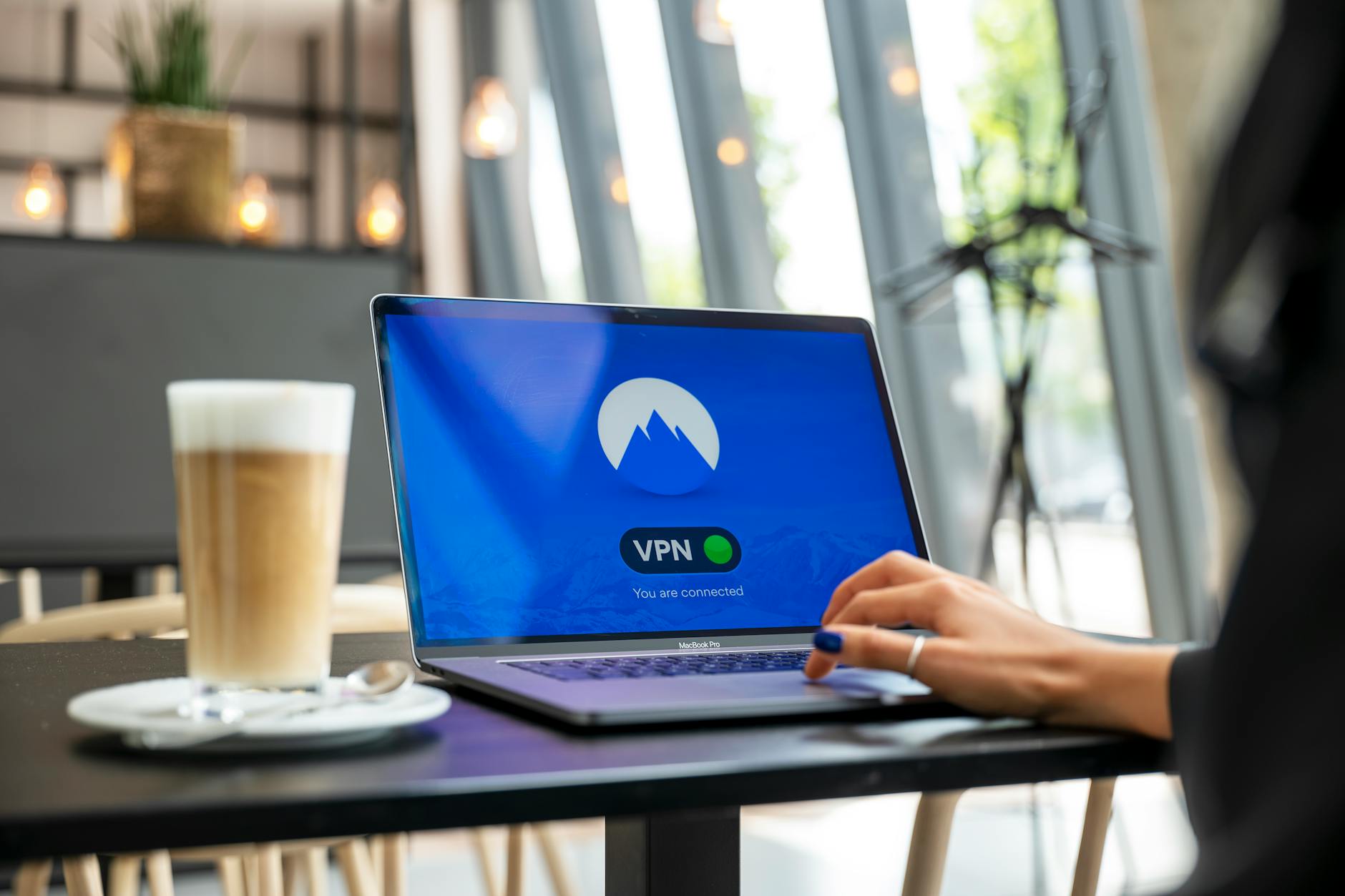
Mozilla, the non-profit organization best known for its Firefox browser, has recently made a compelling case to UK regulators, arguing that Virtual Private Networks (VPNs) are no longer simply convenient tools, but essential for maintaining privacy and security in the digital age – particularly when it comes to managing your finances. This stance is particularly relevant in the UK, where online banking and financial transactions are overwhelmingly commonplace. This article explores Mozilla’s argument, details why VPNs are crucial for financial protection, and offers guidance for UK consumers looking to enhance their online security.
Why Mozilla is Championing VPNs
Mozilla’s submission to UK regulators comes amidst growing concerns about data privacy and the increasing sophistication of online threats. They argue that the current regulatory landscape doesn’t adequately address the risks faced by individuals when conducting financial transactions online. Specifically, Mozilla highlights the following points:
- Data Collection: Internet Service Providers (ISPs) and other third parties routinely collect data about your online activity, including the websites you visit and the financial services you use. This data can be used for targeted advertising, profiling, and even sold to other companies.
- Unsecured Public Wi-Fi: Public Wi-Fi networks are notoriously insecure, making them prime targets for hackers looking to intercept sensitive information, like banking credentials.
- Man-in-the-Middle Attacks: Hackers can position themselves between you and the website you're trying to access (a "man-in-the-middle" attack) to steal your login details, credit card numbers, and other financial data.
- Geo-restrictions & Price Discrimination: While less directly a security issue, geo-restrictions and price discrimination can impact financial products and services available to you.
Mozilla contends that VPNs provide a vital layer of protection against these threats, effectively masking your IP address and encrypting your internet traffic. This makes it significantly harder for malicious actors to intercept your data or track your online activity.
How VPNs Protect Your Finances: A Deep Dive
Let's break down how VPNs specifically safeguard your financial wellbeing:
- Encryption: The core function of a VPN is to encrypt your internet traffic. This means your data is scrambled into an unreadable format as it travels between your device and the VPN server. Even if a hacker intercepts your data, they won’t be able to decipher it. This is particularly critical when using online banking apps or making online purchases.
- IP Address Masking: Your IP address is a unique identifier that reveals your approximate location. A VPN masks your real IP address with one from the VPN server's location. This makes it more difficult to track your online activity and protect your identity. This can be useful for avoiding potential location-based price discrimination on financial products.
- Secure Public Wi-Fi Usage: Using a VPN on public Wi-Fi transforms a risky connection into a secure one. The encryption provided by the VPN protects your data from eavesdropping hackers. Never access your bank account or make online purchases on public Wi-Fi without a VPN.
- Bypassing Geo-Restrictions: In some cases, financial institutions or services may restrict access based on your location. A VPN can help you bypass these restrictions, allowing you to access your accounts from anywhere in the world. (However, always check the terms of service of your financial institution to ensure this doesn't violate their policies.)
- Preventing ISP Tracking: ISPs can monitor your browsing activity and sell that data to advertisers. A VPN prevents your ISP from seeing what websites you visit and the financial transactions you make.
Choosing the Right VPN for Financial Security: UK Considerations
Not all VPNs are created equal. When selecting a VPN for financial protection, consider these factors:
- Strong Encryption: Look for VPNs that use robust encryption protocols like AES-256. This is the gold standard for data security.
- No-Logs Policy: Crucially, choose a VPN provider with a strict "no-logs" policy. This means they don't track or store any information about your online activity. Review the VPN’s privacy policy carefully to ensure its authenticity.
- Server Location: A wide network of servers is beneficial. Having servers in the UK can provide faster connection speeds.
- Kill Switch: A kill switch automatically disconnects your internet connection if the VPN connection drops, preventing your data from being exposed.
- Reputation & Transparency: Research the VPN provider's reputation. Look for independent audits and transparency reports.
- Jurisdiction: The country where the VPN provider is based can impact its privacy practices. Some jurisdictions have more favorable data privacy laws than others.
- Price: While free VPNs may be tempting, they often come with limitations, such as data caps, slower speeds, and potentially compromised security. Invest in a reputable paid VPN.
Here are a few highly-rated VPNs for financial security, popular in the UK:
| VPN Provider | Key Features | Price (approx.) | Affiliate Link |
|---|---|---|---| | ExpressVPN | Fast speeds, strong security, reliable performance, large server network, based in the British Virgin Islands. | £8.22/month | | | NordVPN | Double VPN, CyberSec (ad & malware blocker), Meshnet, audited no-logs policy, based in Panama. | £3.09/month | | | Surfshark | Unlimited devices, CleanWeb (ad blocker), MultiHop, Camouflage Mode, based in the Netherlands. | £2.19/month | |
*Image suggestion: A graphic depicting a padlock over a laptop with banking apps displayed, symbolizing secure online banking with a VPN.
Beyond VPNs: Additional Financial Security Measures
While a VPN is a powerful tool, it's just one piece of the puzzle. Here are other steps you can take to protect your finances online:
- Strong Passwords: Use strong, unique passwords for all your online accounts. Consider using a password manager to generate and store your passwords securely.
- Two-Factor Authentication (2FA): Enable 2FA wherever possible. This adds an extra layer of security by requiring a code from your phone or another device in addition to your password.
- Be Wary of Phishing Scams: Be cautious of suspicious emails or messages asking for personal or financial information. Never click on links or download attachments from unknown sources.
- Keep Your Software Updated: Regularly update your operating system, web browser, and antivirus software to patch security vulnerabilities.
- Monitor Your Accounts Regularly: Check your bank statements and credit card transactions frequently for any unauthorized activity.
- Use Secure Websites (HTTPS): Ensure that the websites you visit use HTTPS (look for the padlock icon in the address bar). This encrypts the data transmitted between your browser and the website.
Mozilla’s Impact & The Future of Financial Privacy in the UK
Mozilla's advocacy for VPNs is a significant step towards raising awareness about the importance of online privacy and security. By urging UK regulators to recognize VPNs as essential tools, Mozilla is hoping to encourage greater adoption of these technologies and improve the overall level of protection for consumers.
The outcome of Mozilla’s submission to UK regulators remains to be seen. However, the increasing awareness of data privacy concerns, coupled with the growing sophistication of cyber threats, suggests that the use of VPNs will become increasingly prevalent in the years to come. Protecting your finances in the digital age requires a proactive approach, and a VPN is a valuable asset in that effort.
*Image suggestion: A person using a laptop with a VPN icon displayed, representing online privacy.
Disclaimer:
This article contains affiliate links. If you purchase a product or service through these links, we may receive a small commission at no extra cost to you. This helps support our work and allows us to continue providing valuable content. We only recommend products and services that we believe are high quality and beneficial to our readers. Always conduct your own research before making any purchasing decisions. This information is for general guidance only and does not constitute financial or legal advice.