Millimeter wave technology drills 100 meters into granite
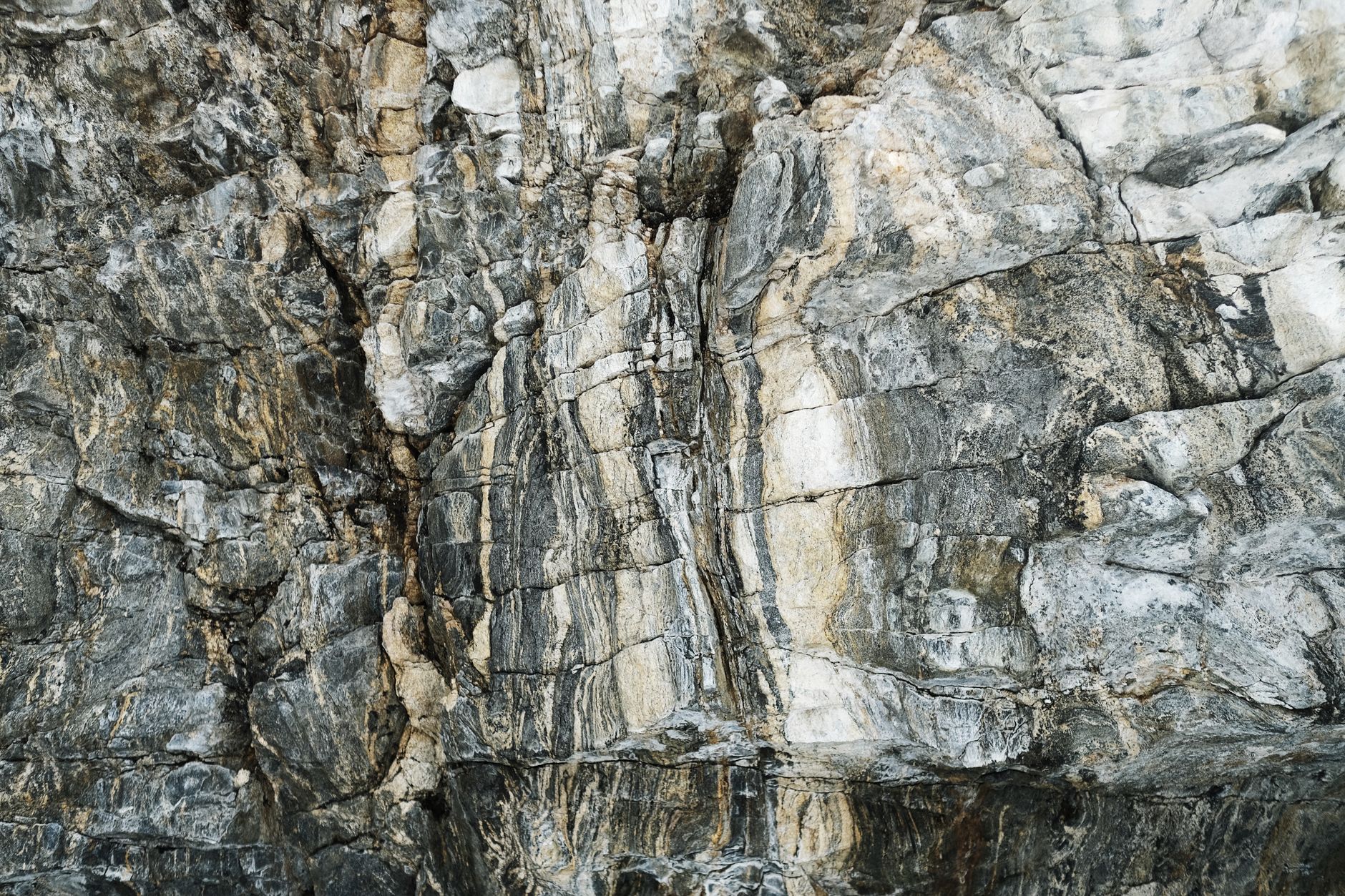
For decades, the mining and construction industries have relied on similar, often brutal, methods for breaking rock: explosives, heavy-duty mechanical drilling, and increasingly, hydraulic fracturing. These methods are costly, environmentally impactful, and sometimes dangerous. Now, a game-changing technology is emerging that promises to revolutionize rock drilling – millimeter wave (mmWave) technology. Recent breakthroughs have demonstrated its ability to drill through solid granite to depths of 100 meters, opening up exciting new possibilities, and, crucially, investment opportunities. This article dives into the science, applications, and, most importantly, the financial implications of this innovative approach.
The Science Behind the Revolution: How Millimeter Waves Drill Through Stone
Millimeter waves sit between microwaves and infrared light on the electromagnetic spectrum. Their unique properties allow them to interact with materials in a way that conventional drilling methods can't. Instead of relying on physical force or chemical reactions, mmWave technology uses focused energy to induce micro-fractures within the target material – in this case, granite.
Here’s a simplified breakdown of the process:
- Wave Generation: A high-powered mmWave emitter generates a concentrated beam of electromagnetic radiation.
- Focused Energy: Sophisticated focusing systems, often involving specialized antennas and lenses, direct the waves to a precise point within the granite.
- Micro-Fracturing: The energy doesn’t melt the granite (though thermal effects do play a role). Instead, it creates localized stresses, causing microscopic cracks to form and propagate. Think of it as weakening the rock’s internal structure from within.
- Controlled Penetration: By precisely controlling the frequency, power, and focusing of the mmWave beam, engineers can dictate the depth and direction of the drilling process.
- Material Removal: Once sufficient micro-fractures are created, the fragmented material can be removed using compressed air or other relatively gentle methods – a huge contrast to the explosive force of conventional drilling.
This process is significantly quieter, produces far less dust, and consumes less energy than traditional drilling techniques. Furthermore, it eliminates the need for hazardous explosives, improving worker safety and reducing environmental risks.
Beyond Granite: A Wide Range of Potential Applications
While the recent demonstrations focused on granite, the potential applications of mmWave drilling extend far beyond:
- Mining: Accessing previously unreachable mineral deposits, reducing the cost of extraction, and improving mine safety. This is where the biggest investment opportunities lie. Specific minerals likely to see impact include lithium, cobalt, and rare earth elements.
- Construction: Tunneling through mountains for railways and roads, creating foundations for skyscrapers, and infrastructure projects in challenging geological conditions.
- Geothermal Energy: Drilling deep boreholes to access geothermal resources for renewable energy production. The lower cost and increased precision could unlock new geothermal potential.
- Oil & Gas (with caveats): While not a direct replacement for all oil & gas drilling, mmWave tech could be useful in specific applications like well completion or accessing unconventional reservoirs. However, the current energy transition climate may temper investment in this area.
- Scientific Research: Creating core samples for geological analysis without damaging the integrity of the rock, assisting in deep earth exploration.
The Investment Landscape: Who’s Involved and Where's the Money Going?
The development of mmWave drilling technology is still in its early stages, but significant investment is already flowing into the field. Several companies are at the forefront of this revolution, including:
- Kyocera Corporation (Japan): Recently achieved the 100-meter granite drilling milestone, demonstrating the commercial viability of the technology. They are currently working on scaling up the system and exploring partnerships with mining companies.
- Terra Microwave (USA): A smaller company specializing in high-power mmWave sources and focusing on industrial applications.
- Several research institutions: Universities and government labs are conducting ongoing research to optimize mmWave drilling parameters and explore new materials and applications.
Investment opportunities fall into several categories:
- Direct investment in technology developers: Funding companies like Kyocera or Terra Microwave, often through venture capital or private equity. This is high-risk, high-reward.
- Strategic partnerships with mining companies: Mining giants are increasingly looking to incorporate innovative technologies into their operations. Investing in companies that facilitate these partnerships could be lucrative.
- Supply chain companies: The production of mmWave emitters, focusing optics, and specialized control systems will require a robust supply chain. Companies involved in these areas could benefit from increased demand.
- ETFs (Exchange Traded Funds): While no ETF specifically focuses on mmWave technology yet, investors can gain exposure to the broader mining tech sector through ETFs like the Global X Mining & Metals ETF (UPM) https://example.com/ or similar funds focused on industrial innovation. (Note: Carefully research ETF holdings to determine actual exposure to mmWave-related companies).
Financial Projections & Potential ROI:
It's difficult to provide precise ROI projections at this stage, but industry analysts estimate that mmWave drilling could reduce drilling costs by 30-50% compared to conventional methods. This translates to substantial savings for mining companies, especially for projects in remote or challenging locations. A table summarizing potential cost savings is provided below:
| Drilling Method | Cost per Meter (Estimate) | mmWave Drilling Cost per Meter (Estimate) | Potential Savings |
|---|---|---|---|
| Conventional Rotary Drilling | $50 - $150 | $25 - $75 | 30% - 50% |
| Diamond Core Drilling | $100 - $300 | $50 - $150 | 30% - 50% |
| Explosive Drilling | $30 - $80 (plus environmental costs) | $25 - $60 | 20% - 40% (plus significant environmental benefits) |
These are estimates and can vary widely depending on geological conditions, project scale, and location.
Challenges and Considerations: The Road Ahead
Despite the enormous potential, mmWave drilling technology faces several challenges:
- Scaling up production: Manufacturing high-power, reliable mmWave emitters is complex and expensive.
- Energy consumption: While more efficient than explosives, mmWave drilling still requires significant energy input. Optimizing energy efficiency is crucial.
- Depth limitations (currently): While 100 meters is a major achievement, many mining operations require drilling to much greater depths. Ongoing research aims to extend the effective range.
- Material-specific optimization: The optimal mmWave parameters will vary depending on the type of rock or material being drilled.
- Regulatory hurdles: Gaining regulatory approval for a new drilling technology may require extensive testing and environmental impact assessments.
The Future of Drilling: A Sustainable and Efficient Paradigm
Millimeter wave drilling represents a fundamental shift in how we access resources and build infrastructure. It’s a more sustainable, efficient, and safer alternative to traditional methods. While challenges remain, the recent breakthroughs signal that this technology is poised to disrupt the mining, construction, and energy sectors. For investors looking for exposure to cutting-edge technology with significant long-term potential, mmWave drilling warrants serious consideration. Keeping a close eye on key players like Kyocera and monitoring developments in the mining tech ETF space will be crucial for capitalizing on this emerging opportunity.
Disclaimer:
I am an AI chatbot and cannot provide financial advice. This article is for informational purposes only and should not be considered a recommendation to buy or sell any securities. Investing in early-stage technologies carries significant risk, and investors should conduct thorough due diligence before making any investment decisions. The https://example.com/ link is an affiliate link, and I may receive a commission if you make a purchase through it.