Israeli firm BlackCore suspected of meddling in New York and Scotland votes
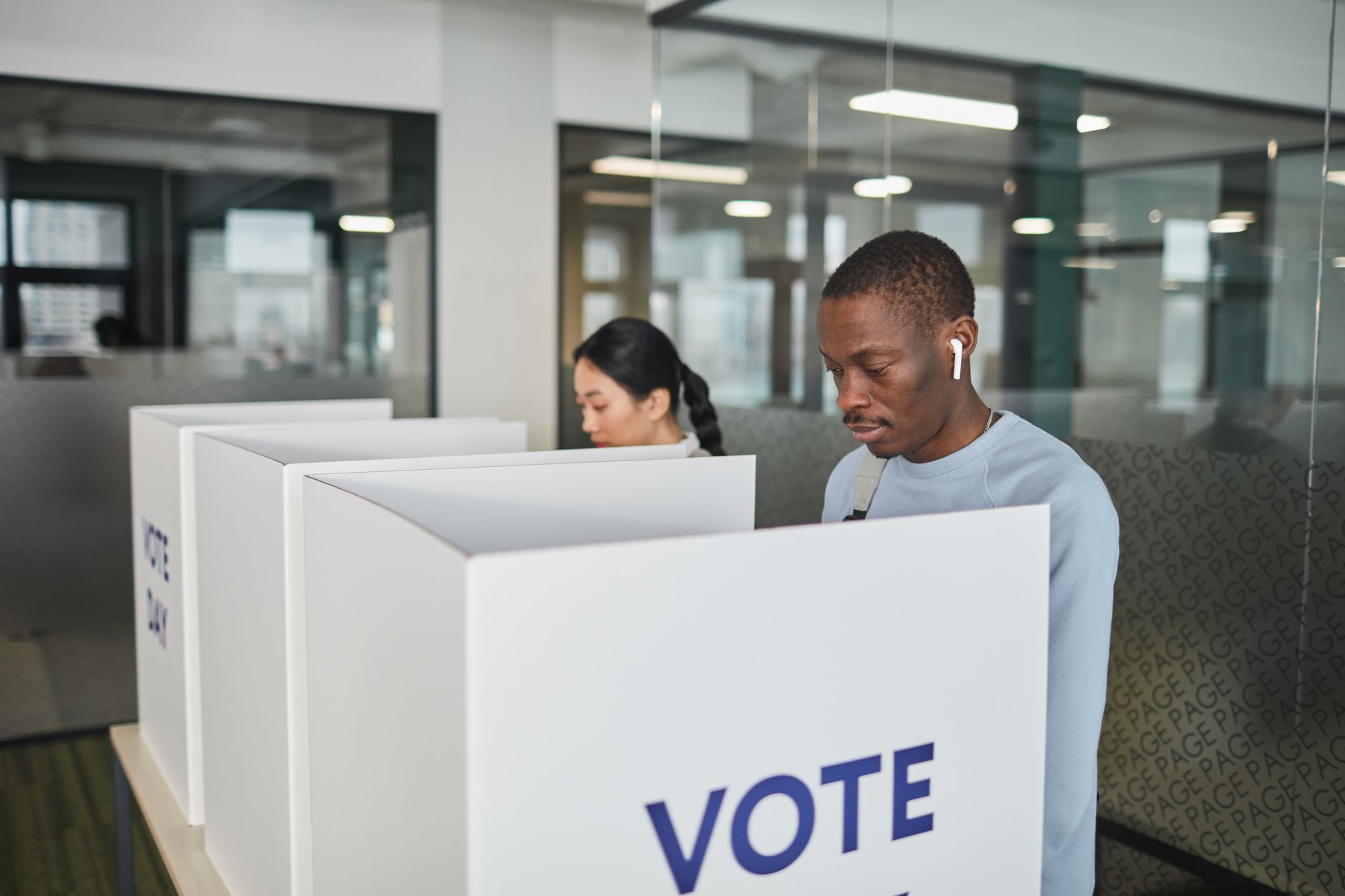
Recent allegations have cast a dark shadow over the integrity of democratic processes in both the United States and the United Kingdom. At the center of the storm is BlackCore, an Israeli cybersecurity and intelligence firm, suspected of meddling in elections and referendums. This isn’t simply a matter of political maneuvering; it carries significant financial implications and raises serious questions about the vulnerability of electoral systems to sophisticated influence operations. This article will delve into the details of the accusations, the financial aspects of such operations, and the potential consequences for global finance and political stability.
The Allegations: New York, Scotland, and Beyond
The allegations against BlackCore, detailed in a recent exposé by The Guardian and further reporting in Haaretz, are alarming. The firm is accused of running sophisticated disinformation campaigns aimed at swaying voters in key elections and referendums.
- New York City Mayoral Election (2021): Reports suggest BlackCore was hired to damage the reputation of Eric Adams’ primary opponents through the spread of negative narratives online. This involved creating fake social media accounts, amplifying existing grievances, and engaging in targeted disinformation.
- Scottish Independence Referendum (2014): Perhaps the most serious accusation centers around BlackCore's alleged involvement in the 2014 Scottish independence referendum. Claims suggest the firm was contracted by those opposing independence to manipulate public opinion through online propaganda and psychological warfare tactics.
- Other Potential Interference: While New York and Scotland are the most prominent cases, investigations are ongoing to determine if BlackCore has been involved in influencing other elections globally. The exact scope of their operations remains under investigation.
The core accusation isn’t necessarily about directly altering vote counts, but rather about shaping the information landscape to influence voter behavior. This subtle but potent form of interference poses a grave threat to the foundation of democratic societies.
The Financial Mechanics of Election Interference
Let's be clear: running sophisticated disinformation campaigns isn't cheap. Understanding the financial mechanics behind these operations is crucial to appreciating the scale of the problem and the potential for future interference.
- Personnel Costs: BlackCore, like any firm, has payroll expenses. Skilled professionals – data scientists, social media specialists, psychological operations experts, and cybersecurity analysts – command high salaries. A team dedicated to a single election interference operation could easily cost hundreds of thousands, if not millions, of dollars.
- Technology Infrastructure: Creating and maintaining a network of fake social media accounts, bots, and compromised websites requires substantial investment in technology. This includes servers, software licenses, and the ongoing maintenance of these systems.
- Advertising Spend: Amplifying disinformation requires paid advertising on social media platforms. While sophisticated operators attempt to disguise the source of funding, significant sums are often spent on targeted advertising campaigns.
- Data Acquisition: Gathering data on potential voters – their demographics, political leanings, and online behavior – is essential for effective targeting. This data can be purchased from data brokers, or collected through sophisticated surveillance techniques.
- Cryptocurrency Transactions: Increasingly, these kinds of operations are funded and paid for using cryptocurrencies like Bitcoin and Monero to obfuscate the origin and destination of funds.
Image Suggestion: A graphic depicting a network of connected computers and social media icons, symbolizing the spread of disinformation. *
The sources of funding for these activities are often obscured, making it difficult to trace the money back to its ultimate benefactors. This “dark money” element is a critical concern, as it allows individuals or groups to secretly influence elections without accountability.
Who is Funding BlackCore? Following the Money
Identifying who is bankrolling BlackCore’s alleged operations is a central challenge for investigators. The firm operates in a grey area, offering services that can be used for legitimate purposes – such as cybersecurity – as well as malicious ones.
Several theories are circulating:
- Political Parties & Campaigns: The most direct funding source could be political parties or campaigns looking to gain an edge. This is particularly problematic when foreign entities are involved.
- Wealthy Donors: Individual wealthy donors with a vested interest in the outcome of an election could provide funding through shell corporations or offshore accounts.
- Foreign Governments: Nation-states seeking to destabilize rival countries or promote their own geopolitical interests could be funding BlackCore’s operations as part of a broader campaign of disinformation.
- Private Equity/Venture Capital: There are unconfirmed reports that some venture capital firms have invested in BlackCore, attracted by the potential for high returns.
Tracing these funds requires meticulous investigation, leveraging financial intelligence units and international cooperation. The opacity of the offshore financial system and the use of cryptocurrencies further complicate matters.
The Financial Risks & Impact of Election Interference
Beyond the direct political consequences, election interference poses significant financial risks:
- Market Volatility: Unexpected election results or perceptions of manipulated elections can trigger market volatility. Investors dislike uncertainty, and a loss of faith in democratic processes can lead to sell-offs and economic instability.
- Geopolitical Risk: Foreign interference in elections can exacerbate geopolitical tensions and escalate conflicts.
- Reputational Damage: Countries perceived as vulnerable to election interference may experience a decline in foreign investment and a loss of international credibility.
- Increased Cybersecurity Costs: As threats become more sophisticated, businesses and governments must invest more in cybersecurity to protect against attacks. Consider investing in robust security solutions like .
- Erosion of Trust in Financial Institutions: If interference is linked to financial manipulation (e.g., through exploiting market information before or after an event), it can undermine trust in the entire financial system.
Table: Potential Financial Impacts of Election Interference
| Impact Area | Potential Consequences |
|---|---| | Financial Markets | Increased volatility, decreased investment, reduced confidence | | Geopolitical Stability | Escalated tensions, trade disruptions, increased military spending | | Foreign Investment | Reduced inflows, capital flight | | Cybersecurity | Increased costs, heightened risk of attacks | | Reputation | Damage to national image, loss of credibility |
Protecting Yourself: Cybersecurity and Online Privacy
While the focus is on large-scale election interference, individuals also need to take steps to protect themselves from disinformation and online manipulation.
- Be Critical of Information: Don't blindly accept everything you read online. Verify information from multiple sources before sharing it.
- Be Aware of Biases: Recognize that everyone has biases, including yourself. Seek out diverse perspectives.
- Protect Your Online Privacy: Use strong passwords, enable two-factor authentication, and be mindful of the information you share online. Consider a VPN like to encrypt your internet traffic and protect your data.
- Stay Informed: Keep up-to-date on the latest cybersecurity threats and best practices.
- Report Suspicious Activity: If you encounter disinformation or suspect malicious activity, report it to the relevant authorities.
The Future of Election Security: A Call for Action
The allegations surrounding BlackCore serve as a wake-up call. Protecting democratic processes from interference requires a multi-faceted approach:
- Stronger Regulations: Governments need to enact stricter regulations governing political advertising and campaign finance.
- Increased Transparency: Greater transparency is needed regarding the sources of funding for political campaigns and online advertising.
- Enhanced Cybersecurity: Electoral systems need to be hardened against cyberattacks.
- International Cooperation: International cooperation is essential to track down and prosecute those involved in election interference.
- Media Literacy Education: Investing in media literacy education can help citizens become more discerning consumers of information.
The threat of election interference is real and evolving. Failure to address this challenge will have profound consequences for democratic societies and the global financial system.
Disclaimer:
This article contains affiliate links. If you purchase a product or service through these links, we may receive a commission. This commission does not affect the price you pay. We strive to provide accurate and unbiased information, and our editorial integrity is paramount. The inclusion of affiliate links is a means of supporting our website and enabling us to continue providing valuable content.*