Interrail: 6,379Km and 13 Countries over 7 weeks
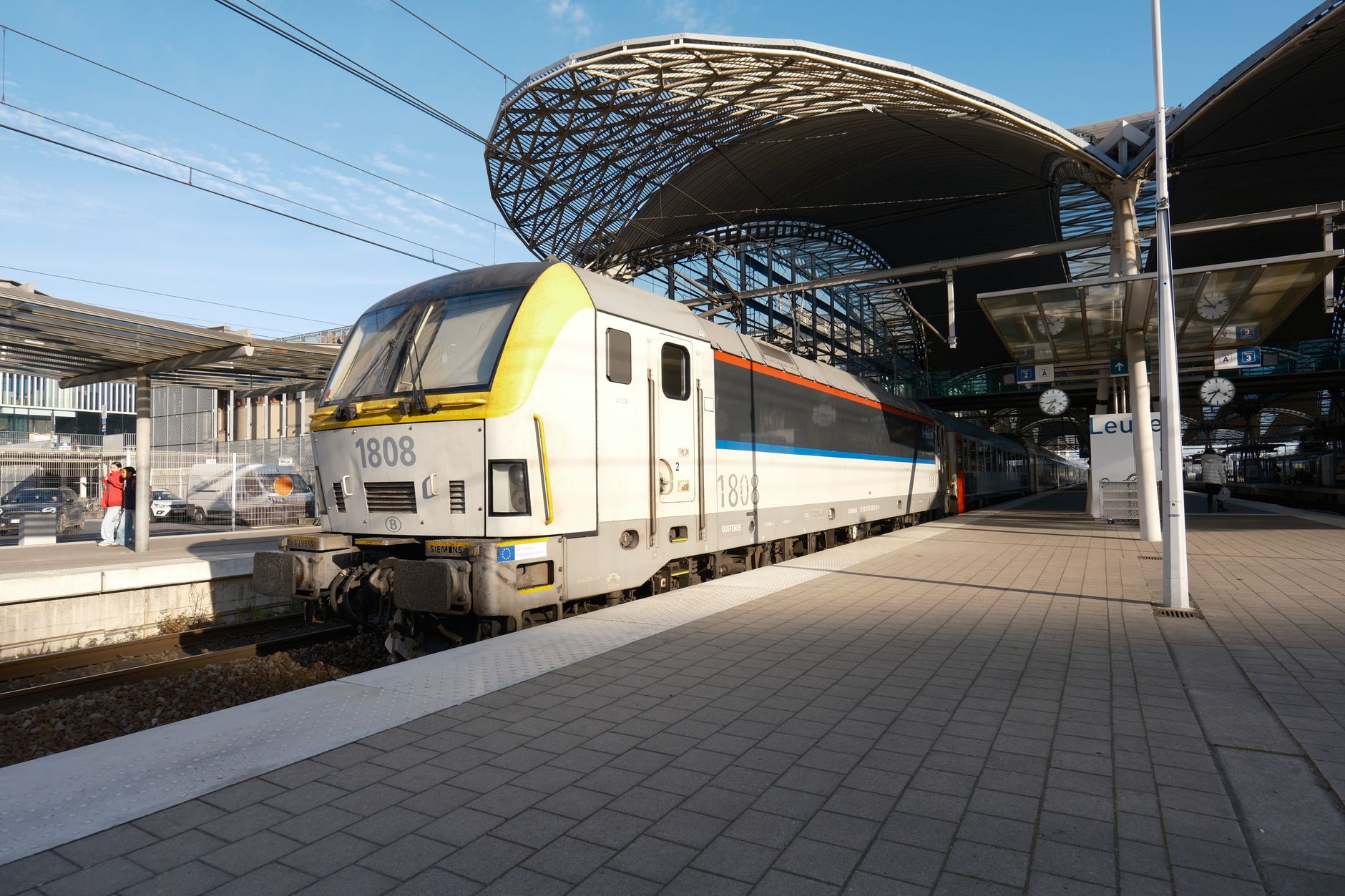
Interrail. The very word conjures images of sun-drenched plazas, ancient ruins, and the rhythmic clickety-clack of trains winding through breathtaking landscapes. It's a rite of passage for many, a symbol of freedom, and a relatively affordable way to see a lot of Europe. But how affordable? After completing a 7-week, 13-country Interrail journey covering 6,379km, I’m here to break down the real costs, beyond the glossy brochures and Instagram highlights. This isn't about roughing it completely, but about smart spending and prioritizing experiences.
Why Interrail? And Why Share the Finances?
I’d always dreamt of exploring Europe, but the idea of meticulously planning flights and separate accommodations felt overwhelming. Interrail offered a solution: a single pass, a flexible itinerary, and the promise of adventure.
But what surprised me was the lack of realistic budget breakdowns online. Most articles either glossed over costs or presented extremely minimalist budgets that felt…unrealistic for a comfortable trip. This article aims to fill that gap. I'll be transparent about where the money went, offering insights for anyone considering a similar adventure, and highlighting areas where you can save (or splurge!).
The Itinerary: A Whirlwind Tour
Before diving into the finances, here's a quick overview of the route. It wasn't about ticking off every major city; it was about embracing spontaneity and immersing myself in different cultures.
- Netherlands: Amsterdam (3 days)
- Germany: Cologne, Berlin (7 days)
- Czech Republic: Prague (4 days)
- Austria: Vienna, Salzburg (5 days)
- Hungary: Budapest (4 days)
- Slovakia: Bratislava (2 days)
- Poland: Krakow (4 days)
- Lithuania: Vilnius (3 days)
- Latvia: Riga (3 days)
- Estonia: Tallinn (3 days)
- Finland: Helsinki (3 days)
- Sweden: Stockholm (4 days)
- Denmark: Copenhagen (4 days)
This route intentionally focused on Central and Eastern Europe, as Western Europe is generally more expensive.
The Big Costs: A Detailed Breakdown
Let's get down to the nitty-gritty. All figures are in Euros (€) and are approximate, based on my personal spending. Exchange rates fluctuate, of course!
1. The Interrail Pass: The Foundation
This is the most significant upfront cost. I opted for the Global Pass valid for 7 travel days within a one-month period. This allowed flexibility, as you don’t need to travel every day. I chose this option as opposed to a continuous pass because of planned longer stays in certain cities.
- Cost: €330 (purchased during a promotion - prices vary significantly!)
- Tip: Check the Interrail website (https://www.interrail.eu/) frequently for promotions. Booking in advance is almost always cheaper. Consider if a continuous pass or a flexi pass suits your travel style.
2. Reservations: The Hidden Expense
This is where Interrail can get expensive. Many high-speed trains (especially in countries like France, Italy, and Spain) require reservations, and these aren’t covered by the pass. Ignoring this will result in fines or being unable to board the train.
- Total Reservation Costs: €180
- Breakdown:
- Germany: €50 (ICE trains)
- Austria: €40 (Nightjet & Railjet)
- Hungary: €30 (high-speed trains)
- Czech Republic: €60 (high-speed trains)
- Tip: Research reservation requirements before you travel. Some countries allow online booking, others require visiting a train station. Consider avoiding high-speed trains where possible to save money.
3. Accommodation: From Hostels to Airbnb
Accommodation costs varied dramatically depending on the city. I primarily stayed in hostels to save money, supplemented by a few Airbnb stays for more comfort and privacy.
- Total Accommodation Cost: €1,470 (average €21 per night)
- Breakdown:
- Hostels: €900 (average €15/night) – https://example.com/ offers a wide range of travel backpacks ideal for hostel stays.
- Airbnb: €570 (average €30/night) - useful for longer stays or when travelling as a couple.
- Tip: Book hostels in advance, especially during peak season. Consider free walking tours - they often provide good hostel recommendations. Look for hostels with free breakfast!
4. Food & Drink: Fueling the Adventure
This is a surprisingly large expense. Eating out every meal quickly adds up. I tried to balance restaurant meals with supermarket shopping and cooking in hostels where possible.
- Total Food & Drink Cost: €1,050 (average €15 per day)
- Breakdown:
- Restaurants/Cafes: €500
- Supermarkets: €550
- Tip: Utilize supermarkets for breakfast and lunch supplies. Look for local markets for affordable, authentic food. Happy hour is your friend!
5. Activities & Sightseeing: Experiencing the Culture
This covered entrance fees to museums, galleries, historical sites, and the occasional paid tour.
- Total Activities Cost: €570 (average €8 per day)
- Tip: Many museums offer free entry days. Student discounts are widely available (even if you're not a student, it's worth asking!). Prioritize free activities like walking tours and exploring parks.
6. Local Transportation: Getting Around Cities
Beyond the Interrail pass, you'll need to navigate cities using local buses, trams, and metros.
- Total Local Transportation Cost: €100
- Tip: Purchase day or multi-day passes for unlimited travel within a city. Walking is often the best way to explore anyway!
7. Miscellaneous: The Unexpected Expenses
This category covers everything else: laundry, souvenirs, SIM cards, toiletries, unexpected train delays (and associated meal costs!), and a few impulse purchases.
- Total Miscellaneous Cost: €200
- Tip: Factor in a buffer for unexpected expenses. They will happen. Consider a travel credit card with no foreign transaction fees.
The Final Tally: A Comprehensive Overview
Here’s a table summarizing the total costs:
| Category | Cost (€) |
| ---------------------- | -------- | | Interrail Pass | 330 | | Reservations | 180 | | Accommodation | 1,470 | | Food & Drink | 1,050 | | Activities | 570 | | Local Transportation | 100 | | Miscellaneous | 200 | | Total | 3,900 |
Therefore, my 7-week, 6,379km Interrail adventure cost approximately €3,900. This equates to roughly €55 per day.
Saving Money: Pro Tips
- Travel during the shoulder season: (April-May or September-October) for lower prices and fewer crowds.
- Cook your own meals: Utilize hostel kitchens or Airbnb facilities.
- Free walking tours: A great way to explore cities and learn about their history.
- Prioritize free activities: Parks, gardens, churches, and simply wandering around can be incredibly rewarding.
- Pack light: Avoid checked baggage fees and make navigating train stations easier. A good quality travel backpack is essential - https://example.com/ is a great place to start.
- Take advantage of student discounts: Even if you’re not a student, it doesn’t hurt to ask.
Final Thoughts
Interrail is an incredible experience, but it's crucial to budget realistically. While €3,900 might seem like a lot, it represents a relatively affordable way to explore 13 countries over 7 weeks. With careful planning and smart spending, you can have an unforgettable adventure without breaking the bank.
Disclaimer: This article contains affiliate links. If you purchase a product through one of these links, I may receive a small commission at no extra cost to you. These commissions help support this blog and allow me to continue creating helpful content. All opinions expressed are my own and based on my personal experience.