I let AI build a tool to help me figure out what was waking me up at night
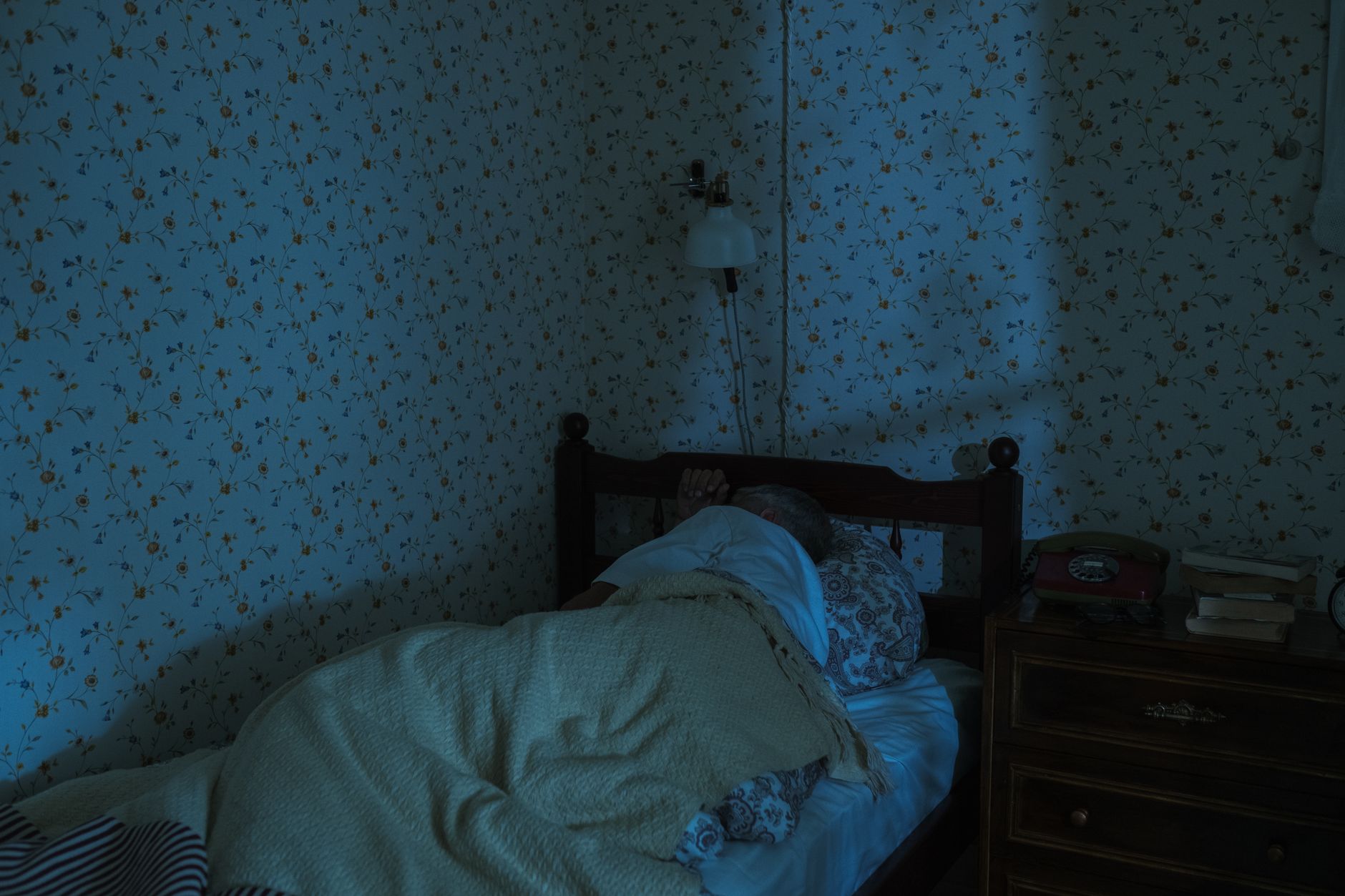
For months, I felt…off. Not sick, exactly. More like perpetually operating at 80%. My financial analysis was suffering. My investment decisions felt rushed and less considered. I was making silly mistakes with my budgeting. It took me a while to realize the root cause wasn’t a lack of financial knowledge, but a severe lack of sleep. But why wasn't I sleeping? That’s where things got interesting, and where AI came to the rescue.
The Hidden Cost of Sleep Deprivation (For Financially-Minded People)
We often talk about the time value of money. But what about the value of time when you’re exhausted? The impact of poor sleep on financial performance is staggering. It's not just about feeling tired. It's about impaired cognitive function that directly affects key financial skills:
- Reduced Risk Assessment: Sleep deprivation makes you more likely to take unnecessary risks, whether in trading or in everyday spending. You literally don't see the downsides as clearly.
- Impaired Decision-Making: Complex financial planning requires clear thinking. Fatigue muddies the waters, leading to suboptimal choices. Think about comparing different mortgage options after a night of tossing and turning.
- Decreased Productivity: Less sleep = less time focused on income-generating activities. Simple as that. Even a single hour lost each day adds up over weeks and months.
- Increased Emotional Spending: When tired, we're more vulnerable to impulse buys and emotional spending – derailing budgets in an instant.
- Difficulty with Long-Term Planning: Strategic financial planning needs foresight. Sleep deprivation narrows your focus to the immediate, hindering your ability to think long-term.
I noticed all of these creeping into my life. My normally meticulous investment research was becoming sloppy. I found myself justifying unnecessary purchases. My freelance work, which forms a significant portion of my income, was taking longer and requiring more revisions. I knew something had to change, but simply trying to sleep wasn’t working. I needed data.
The Problem with Traditional Sleep Tracking
I'd tried the usual suspects: fitness trackers, sleep apps, even a fancy sleep mask. They all gave me some data – total sleep time, sleep stages (light, deep, REM) – but it felt…superficial. It told me that I wasn’t sleeping well, but not why.
These devices are great for basic monitoring, but they lacked the sophisticated analysis needed to identify subtle patterns and potential triggers. I wanted to know if my sleep was being disrupted by noises, temperature changes, light, or even…my late-night financial news consumption! (Spoiler alert: it was).
Enter AI: Building a Personalized Sleep Detective
I'm comfortable with basic coding and have a background in data analysis, so I decided to leverage AI to build a custom solution. I wasn’t looking to create a full-blown app, just a system to analyze data from existing sources and provide actionable insights. Here’s what I did:
1. Data Collection: I integrated data from a few sources:
* **Smart Watch:** Provided heart rate variability (HRV), sleep stages, and movement data.
* **Smart Home Sensors:** I have a smart thermostat, noise sensors, and light sensors. I extracted temperature, noise level, and ambient light data for each hour of the night.  https://example.com/ - This is where I got my noise sensor.
* **Journaling:**  Critically, I started keeping a detailed sleep journal, noting everything I did before bed: what I ate, caffeine intake, screen time, stress levels, and any financial worries I was obsessing over.  Yes, obsessing over!
2. AI Model Selection: I chose a time-series anomaly detection model. This type of AI is designed to identify unusual patterns within data that changes over time – perfect for sleep data! I used Python and the Prophet library (developed by Facebook) which is great for forecasting and anomaly detection without requiring extensive machine learning expertise.
-
Data Processing & Feature Engineering: This was the most time-consuming part. I cleaned the data, handled missing values, and engineered relevant features. For example, I calculated the difference between the average temperature during deep sleep and wakefulness. I also created a "financial stress score" based on keywords in my journal entries (e.g., "market volatility," "investment losses," "budget concerns").
-
Training & Analysis: I trained the AI model on several weeks of historical data. The model learned my typical sleep patterns and then began flagging anomalies – times when my sleep deviated significantly from the norm.
-
Insight Generation: The AI didn't just identify when my sleep was disrupted; it also correlated those disruptions with the data from my sensors and journal. This is where the magic happened.
What the AI Revealed (And How It Changed Everything)
The results were eye-opening. Here’s a summary of the key findings:
| Trigger | Impact on Sleep (Average Minutes Lost) | Financial Connection |
|---|---|---|
| Late-Night News | 45-60 minutes | Increased anxiety about market fluctuations, impulsive trades |
| Room Temperature > 22°C | 30-45 minutes | Restlessness, difficulty concentrating on financial tasks |
| High Noise Levels | 20-30 minutes | Increased stress, leading to overspending |
| Financial Worry (Journal) | 60-90 minutes | Racing thoughts, difficulty falling asleep |
| Caffeine After 2 PM | 15-30 minutes | Reduced sleep quality, impaired decision-making |
The biggest revelation? My late-night habit of checking financial news and obsessing over market fluctuations was destroying my sleep. The AI clearly showed a strong correlation between those sessions and significant sleep disruptions. The "financial worry" score in my journal consistently spiked on nights when I had poor sleep. It was a vicious cycle.
From Data to Action: Reclaiming My Sleep (And My Financial Focus)
Armed with these insights, I made several changes:
- News Blackout: I implemented a strict “no financial news after 9 PM” rule. I replaced it with reading fiction or listening to calming music.
- Temperature Control: I automated my thermostat to lower the temperature in my bedroom before bedtime. https://example.com/ - This smart thermostat made it easy.
- Noise Reduction: I invested in blackout curtains and a white noise machine to minimize external disturbances.
- Financial "Worry Time": I scheduled a dedicated 30-minute block each morning to review my finances and address any concerns. This helped prevent anxieties from bubbling up at night.
- Caffeine Cutoff: Strictly no caffeine after 2 PM. This one was tough!
The Bottom Line: Better Sleep, Better Finances
The results were dramatic. Within a week, my sleep quality improved significantly. I was falling asleep faster, waking up less frequently, and feeling more rested in the morning. And the impact on my finances?
- Improved Focus: I was able to concentrate for longer periods, leading to increased productivity.
- More Rational Decisions: My investment decisions became more thoughtful and less emotional.
- Reduced Stress: I felt less anxious about my finances and more in control of my financial future.
- Increased Income: My freelance income increased as I delivered higher-quality work more efficiently.
Building this AI-powered sleep detective wasn’t about simply tracking sleep. It was about understanding the root causes of my sleep problems and addressing them in a data-driven way. It's a powerful example of how AI can be used not just to optimize profits, but to optimize our lives – and ultimately, our financial well-being.
Disclaimer
This article contains affiliate links. If you purchase a product through one of these links, I may receive a small commission at no extra cost to you. This helps support the creation of valuable content like this. I only recommend products I genuinely believe in and have either personally used or thoroughly researched.