How Mark Klein told the EFF about Room 641A [book excerpt]
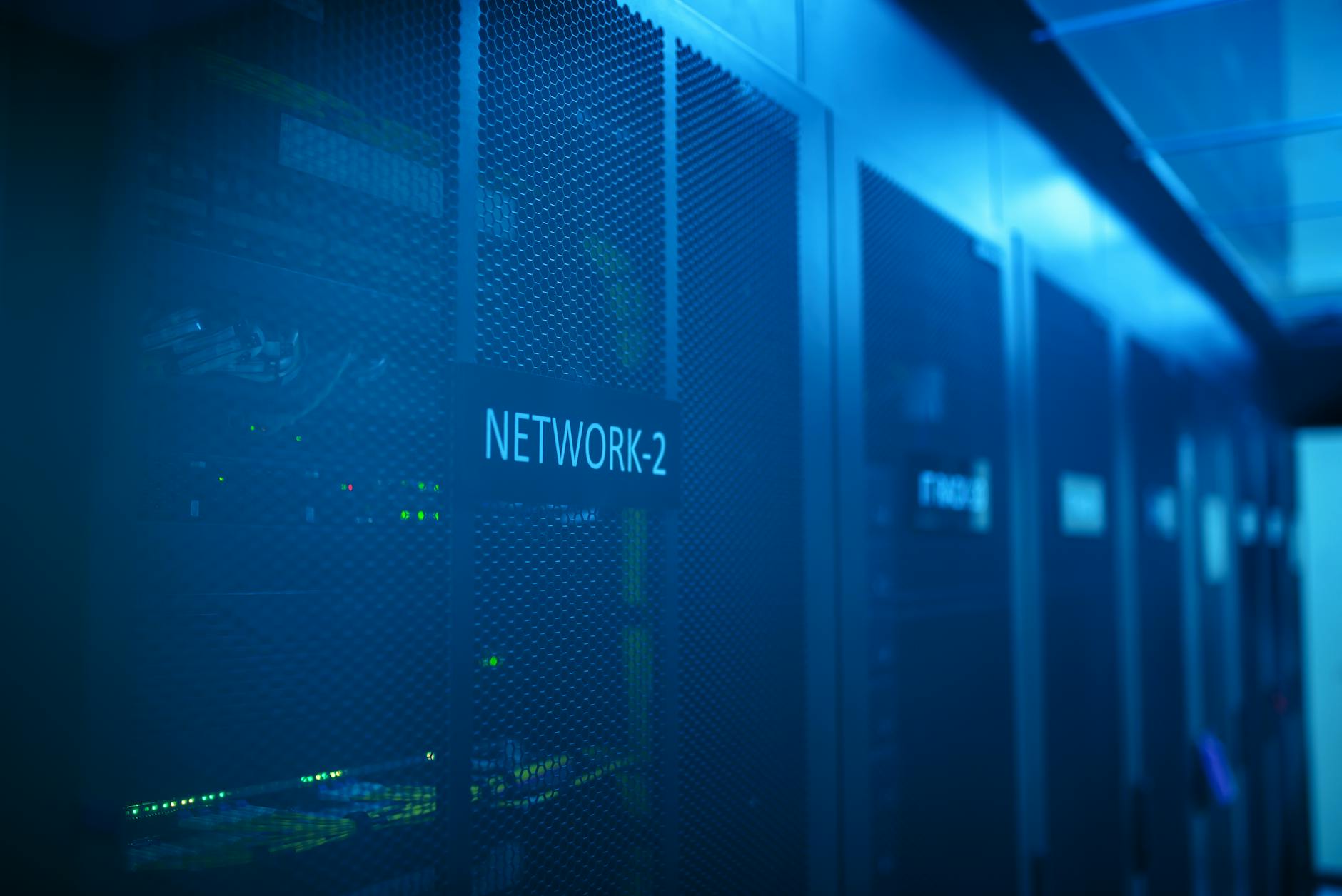
The story of Mark Klein is a cornerstone in the ongoing debate about government surveillance, digital privacy, and the responsibility of corporations. Long before Edward Snowden’s revelations shook the world, Klein, a seasoned AT&T technician, began uncovering evidence of a deeply troubling collaboration between the telecom giant and the National Security Agency (NSA). His courageous decision to contact the Electronic Frontier Foundation (EFF) laid bare a secret facility, Room 641A, and sparked a legal battle that continues to resonate today. This story is particularly important for those in the finance sector, where data security and client privacy are paramount.
The Seeds of Suspicion: Anomalies in the Network
Mark Klein wasn’t a political activist or a privacy advocate. He was, simply put, a highly skilled telecom technician. For decades, he’d worked within the complex infrastructure of AT&T, understanding its intricacies better than most. In 2006, while working on upgrades to AT&T's infrastructure at the Folsom Street facility in San Francisco, Klein began noticing anomalies.
These weren't glitches in the system, but deliberate, almost surgically precise, modifications. He discovered a room, designated 641A, that didn’t appear on any blueprints. It wasn't reflected in any of the official documentation he had access to. This room was fed with massive amounts of data from the broader AT&T network.
He noticed splitters installed on fiber optic cables, diverting data traffic without authorization. These splitters were designed to copy all internet traffic passing through certain points – not targeted traffic associated with a specific investigation, but everything. This was a stark contrast to legitimate law enforcement wiretaps, which require warrants and target specific individuals.
Klein’s technical expertise allowed him to piece together what was happening: AT&T was secretly providing the NSA with wholesale access to its customers’ internet communications. This included emails, browsing history, financial transactions - everything.
Reaching Out to the EFF: A Difficult Decision
Knowing the potential ramifications of his discoveries, Klein faced a difficult decision. He wasn’t sure who to trust. He understood the implications of revealing this information – potential job loss, legal repercussions, and even accusations of being a traitor.
He decided to contact the Electronic Frontier Foundation (EFF), a non-profit organization dedicated to defending civil liberties in the digital world. He’d followed their work for years and respected their commitment to privacy rights.
The EFF, led at the time by Cindy Cohn, immediately recognized the significance of Klein’s information. They began to investigate, and what they uncovered confirmed Klein’s suspicions. Room 641A wasn't an isolated incident; it was part of a widespread program of illegal surveillance.
Room 641A: The NSA’s Secret Listening Post
Room 641A, as Klein revealed, was a purpose-built facility within the AT&T facility designed specifically for NSA surveillance. It wasn’t just passively collecting data; it was actively analyzing it. Technicians worked within the room, monitoring the flow of information and extracting valuable intelligence.
The scale of the operation was astonishing. The room was equipped with powerful computers and sophisticated software, capable of processing vast amounts of data in real-time. The NSA essentially had a direct tap into the internet backbone, accessing information before it even reached its intended destination.
This wasn't about tracking terrorists; it was about mass surveillance of ordinary citizens. Every email sent, every website visited, every online transaction was potentially monitored and recorded.
Implications for the Finance Industry
The revelations surrounding Room 641A had profound implications for the finance industry. Consider the following:
- Client Confidentiality: Financial institutions have a legal and ethical obligation to protect their clients’ confidential information. The NSA’s surveillance program directly violated this trust.
- Data Security: The wholesale collection of data created a massive security risk. The more data collected, the greater the potential for breaches and misuse.
- Market Manipulation: Access to real-time financial data could potentially be used for illegal market manipulation.
- Erosion of Trust: The knowledge that financial transactions were being monitored eroded trust in the financial system as a whole.
The potential for abuse was enormous. The NSA could have used its access to financial data to gain an unfair advantage in the markets, blackmail individuals, or suppress dissent.
The Legal Battle: Hepting v. AT&T
The EFF, with Mark Klein as a key plaintiff, filed a class-action lawsuit against AT&T, known as Hepting v. AT&T. The lawsuit alleged that AT&T had illegally collaborated with the NSA, violating the privacy of its customers.
The case was fraught with legal challenges. The government invoked the “state secrets privilege,” arguing that revealing details about the surveillance program would compromise national security. This privilege allowed the government to block the release of crucial evidence, making it difficult to prove the allegations.
Despite these obstacles, the EFF persevered. They argued that AT&T had acted outside the law, providing access to customer data without proper warrants or due process. The case eventually made its way to the Supreme Court, but the court ultimately declined to hear it, effectively upholding a lower court ruling that granted AT&T immunity.
While the lawsuit didn’t achieve a complete victory, it was instrumental in exposing the extent of the NSA’s surveillance program and raising public awareness about the issue. It also established an important legal precedent, affirming the principle that corporations are not above the law when it comes to protecting privacy rights.
The Legacy of Mark Klein: A Warning and a Call to Action
Mark Klein’s story is a testament to the power of individual courage and the importance of holding corporations and governments accountable. His willingness to come forward, at great personal risk, has had a lasting impact on the debate about surveillance and privacy.
His actions paved the way for the revelations made by Edward Snowden years later, further confirming the widespread nature of government surveillance.
Today, the fight for digital privacy continues. New technologies are constantly emerging, and governments are always seeking new ways to collect and analyze data. It’s more important than ever to be vigilant, to protect our own privacy, and to demand transparency from those in power.
For those in the financial sector, the lessons of Room 641A are particularly relevant. Investing in robust security measures, prioritizing client privacy, and advocating for strong data protection laws are essential.
Consider these steps to enhance financial data security:
- End-to-End Encryption: Utilize end-to-end encryption for sensitive communications and data transfers.
- Multi-Factor Authentication: Implement multi-factor authentication for all accounts.
- Regular Security Audits: Conduct regular security audits to identify and address vulnerabilities.
- Data Minimization: Collect only the data that is absolutely necessary.
- Anonymization & Pseudonymization: Where possible, anonymize or pseudonymize data to protect individual identities.
Resources for further learning:
- Electronic Frontier Foundation: https://www.eff.org/
- "Permanent Record" by Edward Snowden: – A compelling first-hand account of NSA surveillance.
- Books on cybersecurity and data privacy: – Explore resources to bolster your understanding of modern data security practices.
Disclaimer
This article contains affiliate links. If you purchase a product through one of these links, we may receive a commission. This helps support our work, but does not affect the objectivity of our content. We only recommend products and services that we believe are valuable and relevant to our readers.