Hormuz crisis side effect: a sharp rise in container shipping rates
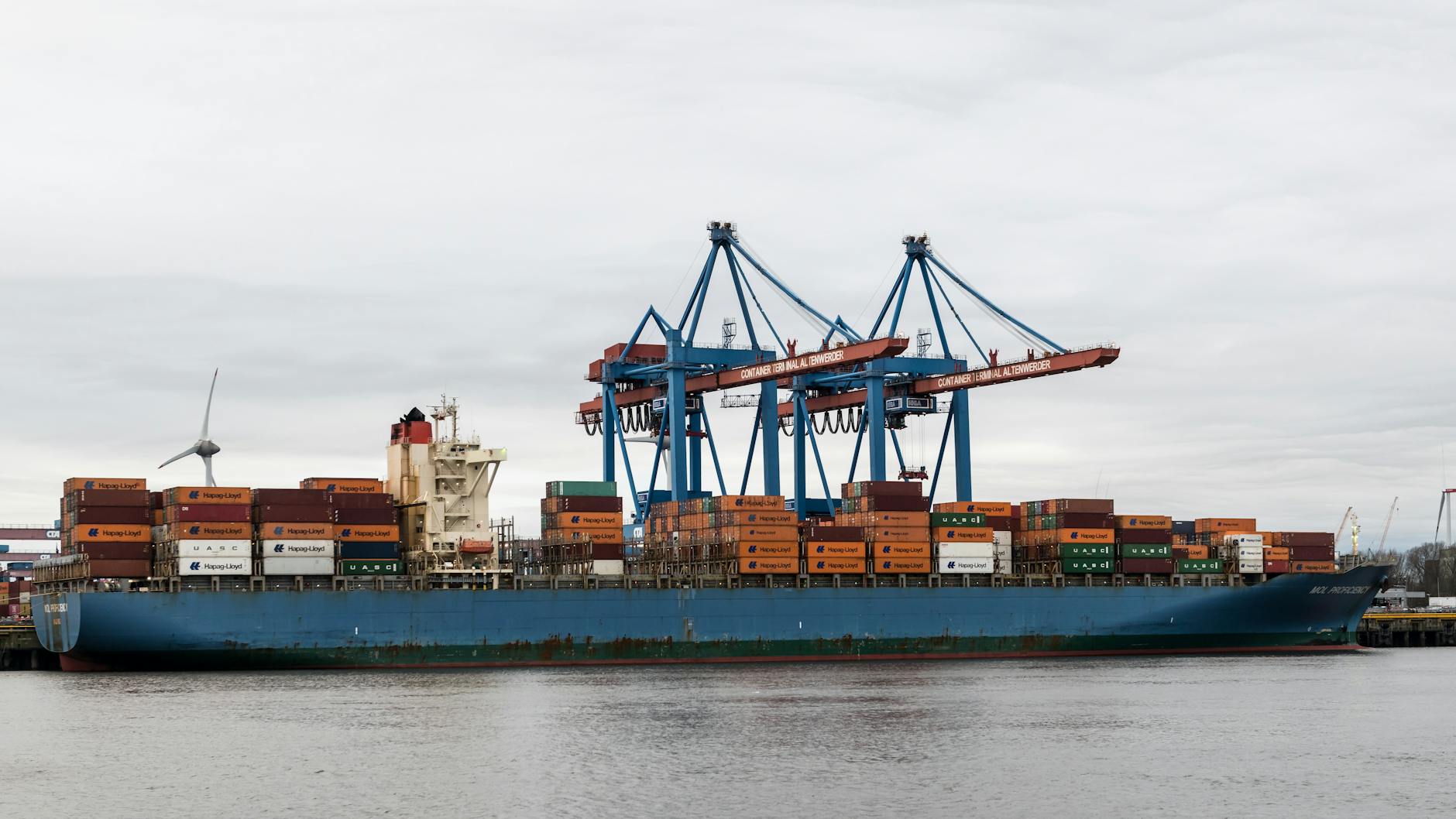
The Strait of Hormuz, a narrow waterway connecting the Persian Gulf with the Gulf of Oman and the Arabian Sea, is one of the world’s most strategically important chokepoints for global oil and trade. Recent escalating tensions in the region, stemming from geopolitical conflicts and naval incidents, are having a significant and increasingly worrying side effect: a sharp and sustained rise in container shipping rates. This article will delve into the causes of this crisis, its impact on the global economy, and what investors can do to navigate this turbulent environment.
Understanding the Strategic Importance of the Strait of Hormuz
Before examining the recent rate hikes, it’s crucial to understand why the Strait of Hormuz is so vital.
- Oil Transit: Approximately 20% of the world’s oil supply passes through this strait daily. Disruption here immediately impacts global oil prices and energy security.
- Container Traffic: Beyond oil, a substantial amount of global containerized trade – everything from consumer goods to industrial components – transits the strait.
- Limited Alternatives: There are very limited alternative routes. Bypassing the Strait would require significantly longer voyages, drastically increasing costs and transit times.
- Geopolitical Sensitivity: The Strait is bordered by Iran and Oman, and its control is a key component of regional power dynamics. This makes it exceptionally vulnerable to political instability and conflict.
The Root Causes of the Current Crisis
The current spike in container shipping rates isn't a sudden event. It's the culmination of several interconnected factors, all exacerbated by heightened geopolitical risk.
- Increased Naval Presence & Attacks: Increased military activity by various nations in the region, alongside reported attacks on commercial vessels (attributed to various actors), have led to a perception of heightened risk.
- War Risk Insurance Premiums: As the perceived risk increases, so do war risk insurance premiums. These premiums are directly passed on to shippers, inflating the cost of transport. We’ve seen premiums jump significantly in recent weeks, in some cases increasing by hundreds of percent.
- Rerouting & Longer Voyages: Some shipping companies are proactively rerouting vessels around the southern tip of Africa – a much longer journey – to avoid the potentially dangerous waters of the Strait. This adds substantial time and fuel costs.
- Houthi Attacks in the Red Sea & Bab-el-Mandeb Strait: While geographically separate, attacks by Houthi rebels in the Red Sea and the Bab-el-Mandeb Strait (another critical chokepoint) have added to the overall shipping disruption and indirectly contributed to pressure on rates through the Hormuz Strait, due to general market uncertainty.
- Pre-existing Supply Chain Constraints: The global supply chain is still recovering from the disruptions caused by the COVID-19 pandemic. Any new stressor, like the Hormuz situation, compounds existing problems.
The Impact on Container Shipping Rates: A Detailed Look
The consequences are already being felt across the shipping industry and, ultimately, by consumers. Here’s a breakdown of the observed rate increases:
- Spot Rates Soar: Spot rates for 40-foot containers have increased dramatically. For example, rates from Asia to Europe have seen double-digit percentage increases in a matter of weeks. https://example.com/ - Consider using a logistics rate comparison tool to monitor fluctuations.
- Surcharges Imposed: Shipping lines are imposing emergency surcharges to cover increased insurance costs, rerouting expenses, and the general risk premium.
- Long-Term Contracts Under Pressure: Long-term contracts, which typically provide more stable rates, are now being renegotiated as shippers seek to reflect the new reality of higher risks and costs.
- Port Congestion: Rerouting and increased demand are contributing to congestion at alternative ports, further slowing down the movement of goods.
Table: Illustrative Container Shipping Rate Increases (Example)
| Route | Previous Rate (USD) | Current Rate (USD) | Percentage Increase |
|---|---|---|---|
| Asia to Europe | 1,500 | 2,500 | 66.7% |
| Asia to US West Coast | 2,000 | 3,200 | 60% |
| Europe to Asia | 800 | 1,300 | 62.5% |
Note: These figures are illustrative and subject to rapid change. Actual rates vary based on specific agreements and market conditions.
Ripple Effects Across the Global Economy
The increase in shipping rates isn't confined to the shipping industry. It has broader implications for the global economy.
- Inflationary Pressures: Higher shipping costs translate directly into higher prices for goods, fueling inflation. This impacts consumer spending and erodes purchasing power.
- Supply Chain Disruptions: Delays and disruptions in shipping exacerbate existing supply chain problems, potentially leading to shortages of certain goods.
- Impact on Trade: Increased costs can make trade less competitive, potentially dampening global economic growth.
- Oil Price Volatility: The risk of disruption to oil shipments through the Strait of Hormuz continues to contribute to oil price volatility, impacting energy costs globally.
- Impact on Smaller Businesses: Smaller businesses, with less negotiating power and thinner margins, are particularly vulnerable to these increased costs.
Investment Strategies in a Turbulent Environment
So, what can investors do to navigate this complex situation?
- Shipping Stocks: While volatile, shipping companies may benefit from higher rates – if they can manage the risks. Careful analysis of individual companies is crucial.
- Oil & Energy Companies: The risk of supply disruption could drive up oil prices, benefiting oil and energy companies. However, geopolitical risks are always inherent in this sector.
- Insurance Companies: War risk insurance providers may see increased revenue, but are also exposed to potentially large claims.
- Supply Chain Resilience Companies: Companies offering solutions for supply chain visibility, diversification, and risk management may see increased demand.
- Commodity Trading: Experienced traders could potentially profit from volatility in oil and other commodity prices. However, this is a high-risk strategy. https://example.com/ - Consider resources for learning about commodities trading.
- Diversification: This is always a sound strategy. Don't put all your eggs in one basket. Diversify your portfolio across different asset classes and geographies.
The Future Outlook: What to Expect
The situation in the Strait of Hormuz remains highly uncertain. Several possible scenarios could unfold:
- De-escalation: If diplomatic efforts succeed in de-escalating tensions, shipping rates could stabilize and potentially decline.
- Continued Tensions: If tensions persist or escalate, we could see further increases in shipping rates and even more severe disruptions to global trade.
- Increased Security Measures: Increased international naval presence and enhanced security measures could mitigate some of the risks, but won’t eliminate them entirely.
- Long-Term Strategic Shifts: The crisis could accelerate the trend towards supply chain diversification and regionalization, as companies seek to reduce their reliance on vulnerable chokepoints.
It's crucial for investors and businesses to closely monitor the situation and adapt their strategies accordingly. Staying informed about geopolitical developments, shipping rates, and supply chain trends is essential for navigating this challenging environment. The Hormuz Strait crisis is a stark reminder of the interconnectedness of the global economy and the potential impact of geopolitical risks on financial markets.
Disclaimer:
This article is for informational purposes only and does not constitute financial advice. The author and publisher are not responsible for any investment decisions made based on the information provided. Affiliate links are included for convenience and may result in a commission if you make a purchase. We recommend consulting with a qualified financial advisor before making any investment decisions.