Hardware Attestation as Monopoly Enabler
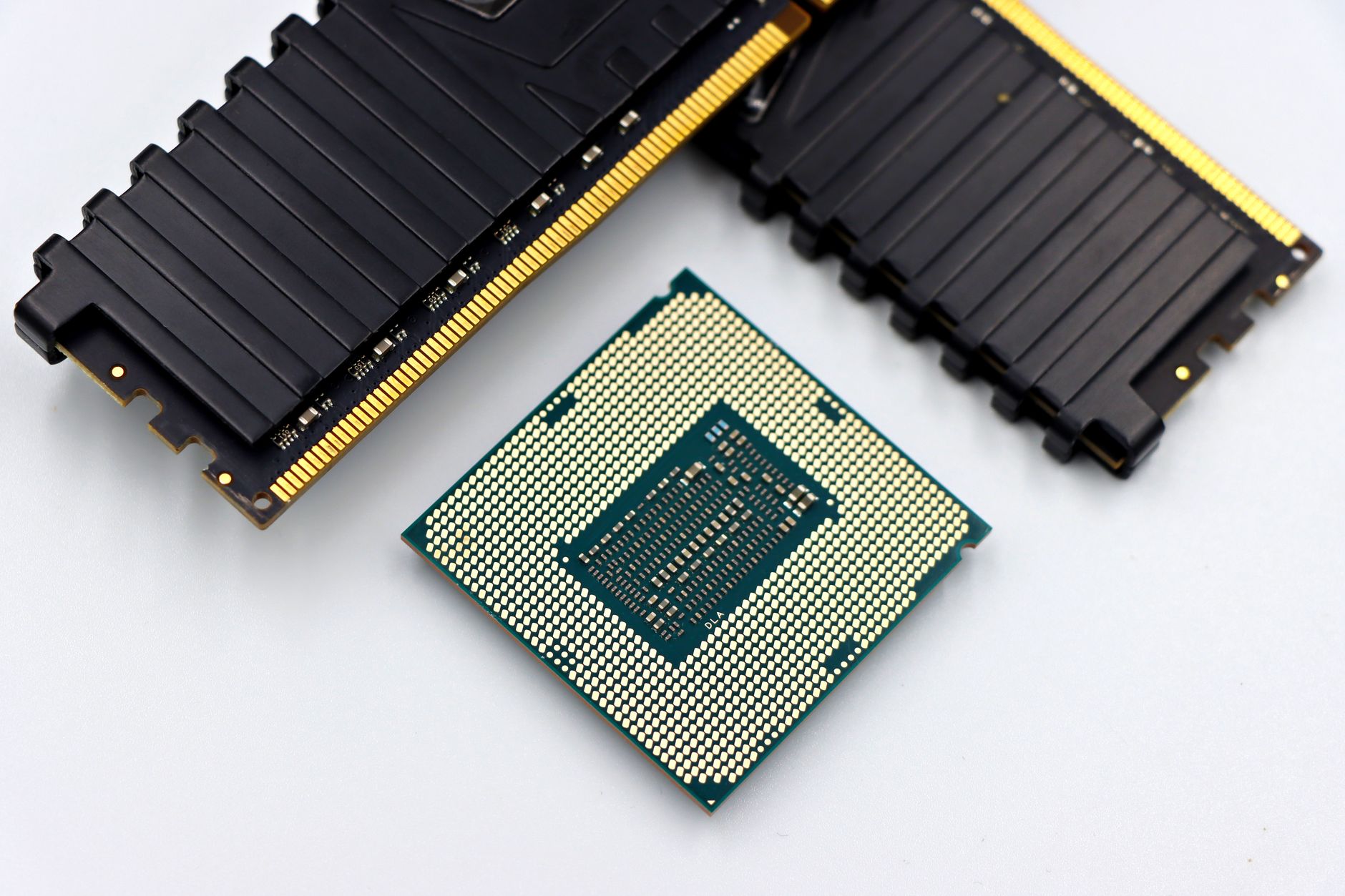
The financial landscape is undergoing a rapid transformation, driven by fintech innovation and the increasing reliance on digital technologies. Security is paramount in this evolution. Increasingly, hardware attestation is being touted as a critical component of a more secure financial future. But beneath the surface of enhanced security lies a potentially troubling consequence: the inadvertent strengthening of existing monopolies and the stifling of competition. This article delves into the world of hardware attestation, its benefits, and the very real risk it poses to a fair and open financial ecosystem.
What is Hardware Attestation?
At its core, hardware attestation is a process that verifies the integrity of a device's hardware and software. It answers the question: “Can I trust this device to execute this code securely?” It’s not about preventing attacks entirely, but about detecting whether a device has been compromised and ensuring that sensitive operations are only performed on trustworthy hardware.
Imagine a scenario where you're authorizing a large fund transfer through a mobile banking app. Traditional security measures rely on software-based authentication. Hardware attestation adds another layer by confirming the authenticity of the device itself – verifying that the operating system hasn't been tampered with, that rogue software isn’t running, and that the device is genuinely what it claims to be.
This is achieved through technologies like Trusted Execution Environments (TEEs), secure enclaves built directly into processors. These TEEs create a secure ‘bubble’ where sensitive data and code can be processed in isolation, shielded from the broader operating system. Hardware attestation allows a remote party (like a bank or payment processor) to verify the state of this TEE before allowing sensitive transactions.
Image suggestion: *A graphic illustrating a secure enclave (TEE) within a processor, with data flowing in and out, highlighted with security symbols.
The Rise of Remote Attestation in Finance
The financial industry is particularly keen on remote attestation, where a device's trustworthiness is verified remotely by a server. Here's why:
- Enhanced Security: Protects against malware, rooting/jailbreaking, and other forms of device compromise.
- Fraud Reduction: Makes it harder for fraudsters to manipulate transactions or steal sensitive data.
- Regulatory Compliance: Helps meet increasingly stringent data security and privacy regulations. (e.g., GDPR, PCI DSS).
- Secure Multi-Party Computation (MPC): Enables secure collaboration between different financial institutions without revealing sensitive data to each other.
- Decentralized Finance (DeFi) Integration: Essential for building trust and security in DeFi applications, allowing for secure key storage and transaction execution.
Specific financial applications currently exploring or implementing hardware attestation include:
- Mobile Banking: Verifying the integrity of mobile devices used for banking transactions.
- Digital Wallets: Securing cryptocurrency and other digital assets.
- High-Frequency Trading: Ensuring the integrity of trading algorithms and infrastructure.
- Credit Card Processing: Protecting sensitive cardholder data.
- Biometric Authentication: Validating the integrity of biometric sensors and data.
The Monopoly Trap: How Attestation Could Favor the Largest Players
Here's where the problem arises. Implementing hardware attestation isn’t cheap or easy. It requires significant investment in:
- Hardware: Devices need to support TEEs, and older devices may need to be replaced. https://example.com/ offers a range of smartphones and tablets with built-in security features, potentially easing this transition.
- Software Development: Integrating attestation into existing applications requires specialized expertise.
- Infrastructure: Servers need to be set up to perform attestation checks and manage the trust relationships.
- Certification and Maintenance: Attestation processes need to be regularly audited and updated to remain effective.
This creates a high barrier to entry, particularly for smaller fintech companies and startups. Large, established financial institutions (and the tech giants providing the underlying infrastructure) are much better positioned to absorb these costs.
Here’s how it can lead to a monopoly:
- Vendor Lock-in: Attestation relies on a chain of trust. If a financial institution chooses to rely on a particular hardware vendor's attestation technology, it becomes locked into that vendor's ecosystem. This reduces competition among hardware providers.
- Scalability Advantages: Larger institutions can leverage economies of scale to deploy attestation across a wider user base, reducing per-unit costs. This further disadvantages smaller players.
- Data Control: The institutions performing attestation effectively gain control over a significant amount of device data, which could be used to further refine their services and solidify their market position.
- Standardization Control: The companies driving the attestation standards (currently, a mix of Intel, ARM, and industry consortia) will exert significant influence over the future of the technology and its adoption. This potentially allows them to favor their own solutions or disadvantage competitors.
- Network Effects: As more financial services adopt a common attestation framework, the value of that framework increases, creating a network effect that further consolidates power in the hands of the early adopters.
Image suggestion: *A visual representation of a pyramid, with large financial institutions and tech companies at the top, and smaller fintech startups at the base. The pyramid is labeled "Hardware Attestation - Concentration of Power."
The Role of Intel and ARM: A Duopoly in the Making?
Currently, Intel and ARM dominate the processor market, and therefore the landscape of TEEs and hardware attestation. Intel's Software Guard Extensions (SGX) and ARM's TrustZone are the most widely used technologies. This concentration of power in just two companies is a major concern.
If financial institutions rely heavily on these technologies, they become dependent on Intel and ARM for security. Any vulnerabilities in these technologies, or any decisions made by these companies regarding access and licensing, could have a widespread impact on the entire financial system. This isn't to suggest malice; however, reliance on a duopoly inherently reduces optionality and increases systemic risk.
Mitigating the Monopoly Risk: Towards a More Open Ecosystem
While the risks are significant, they aren’t insurmountable. Here are some steps that can be taken to mitigate the potential for monopolies:
- Open Standards: Promote the development and adoption of open, interoperable attestation standards that are not controlled by any single vendor.
- Regulatory Oversight: Regulators need to actively monitor the deployment of hardware attestation and address any anti-competitive practices.
- Government Funding for Startups: Provide funding and resources to help smaller fintech companies adopt and implement attestation technologies.
- Modular Attestation: Develop attestation frameworks that allow financial institutions to choose different hardware and software components, reducing vendor lock-in.
- Privacy-Preserving Attestation: Explore attestation methods that minimize the amount of user data collected and shared.
- Decentralized Attestation: Investigate the use of blockchain and other decentralized technologies for attestation, removing the need for a centralized authority.
- Alternative Hardware: Support the development and adoption of processors from emerging hardware manufacturers to break the Intel/ARM duopoly. Looking at RISC-V based processors could create a more competitive landscape.
Table: Comparing Attestation Approaches
| Feature | Centralized Attestation | Decentralized Attestation |
|---|---|---| | Trust Authority | Single entity (e.g., bank, cloud provider) | Distributed network (e.g., blockchain) | | Data Control | Centralized | Distributed | | Scalability | Generally higher | Potentially lower (but improving) | | Cost | Potentially lower upfront | Potentially higher upfront | | Transparency | Lower | Higher | | Censorship Resistance | Lower | Higher |
Conclusion: Balancing Security and Competition
Hardware attestation offers a powerful tool for enhancing security in the financial sector. However, we must be vigilant about its potential to exacerbate existing inequalities and create new monopolies. A proactive approach that prioritizes open standards, regulatory oversight, and investment in innovation is crucial to ensure that the benefits of this technology are shared broadly and that the financial system remains competitive and resilient. Ignoring these risks could result in a future where only the largest players can afford to operate securely, stifling innovation and ultimately harming consumers. Investing in secure hardware like those offering TEEs is a smart move, but it’s essential to stay informed about the broader implications. https://example.com/ frequently features deals on security-focused hardware.
Disclaimer: This article contains affiliate links. If you purchase a product through one of these links, we may receive a commission. This does not affect the price you pay.