Hacking your PC using your speaker without ever touching it
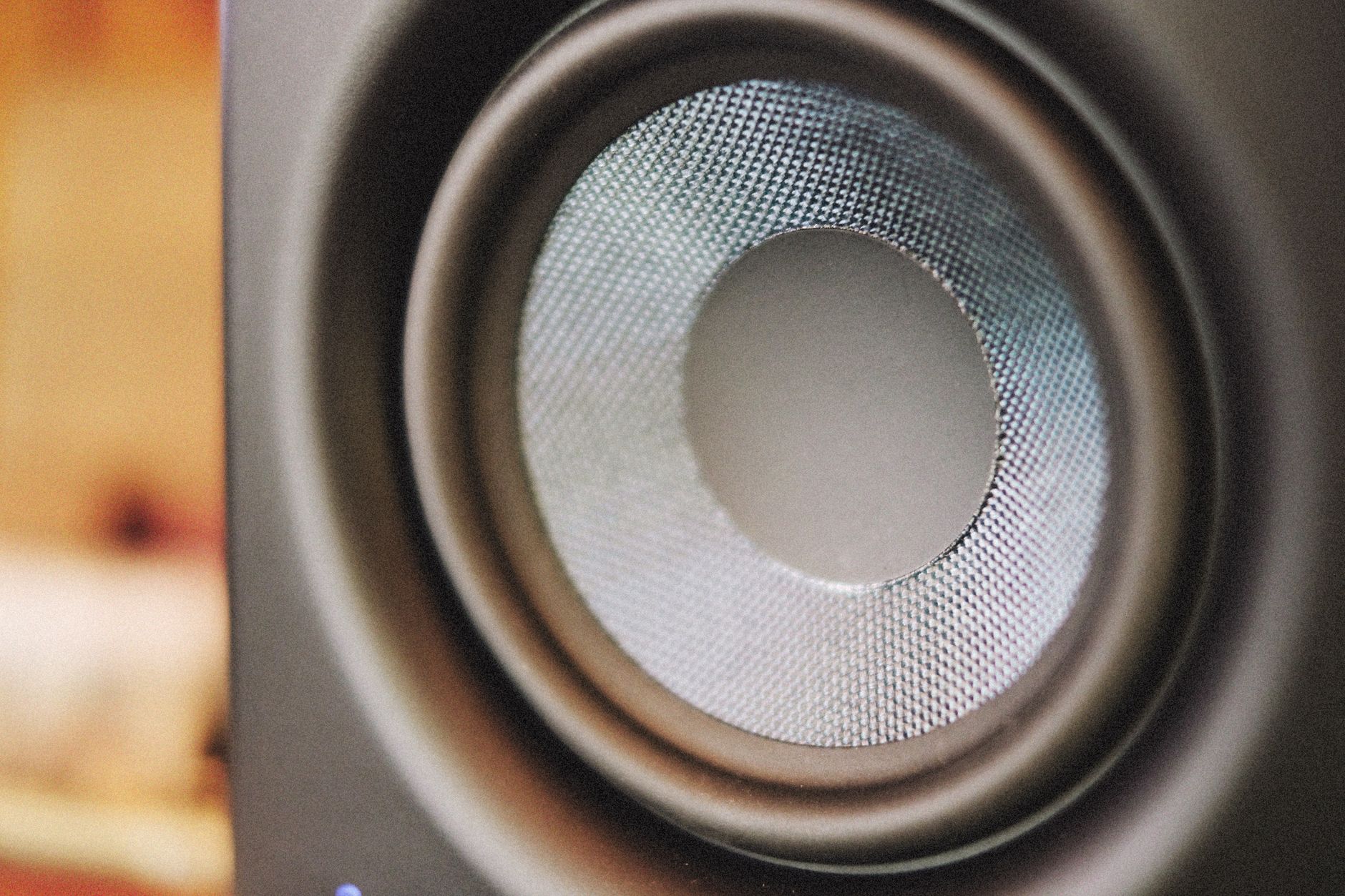
Imagine a scenario where a hacker gains access to your computer, not through a phishing email, a compromised password, or a software vulnerability, but through the seemingly innocuous speaker on your machine. Sounds like science fiction? It’s a growing reality. While traditional cybersecurity focuses on visual interfaces and network vulnerabilities, a new frontier of attack is emerging: acoustic hacking. This article delves into the surprising ways hackers can exploit your computer’s speaker to compromise your financial data and what you can do to protect yourself.
The Rise of Acoustic Hacking: A Silent Threat
For years, cybersecurity experts have warned about the vulnerabilities of smart devices with microphones. The risk of someone eavesdropping through your webcam or smart speaker is well-documented. However, the speaker – often overlooked as a security risk – presents a unique and increasingly viable attack vector.
Acoustic hacking, in this context, isn't about listening to your computer, but about sending commands to it using sound waves. These aren’t audible commands like those used with voice assistants (though those also pose risks). We’re talking about subtle, carefully crafted audio signals that can manipulate your system.
How Does Speaker Hacking Work?
Several techniques allow hackers to exploit your speaker. Here are the most prominent:
- Air Gaps and Covert Commands: One of the most concerning techniques involves bypassing air gaps – the practice of keeping a computer completely isolated from a network. Hackers can transmit data and even execute commands through modulated audio signals. This is particularly dangerous for computers handling sensitive financial information that are intentionally kept offline. Imagine a computer used for cryptocurrency cold storage being compromised this way.
- Malware Through Sound: Malware can be encoded within audio files or streamed directly to your computer through the speaker. While the sound might seem innocuous, it can trigger the installation of malicious software.
- Speakerphone Exploits: Even using a speakerphone can introduce vulnerabilities. Hackers can inject commands disguised as normal audio, exploiting weaknesses in voice assistant systems or communication software.
- Data Exfiltration: Believe it or not, data can be extracted from your computer using the speaker. By modulating the sound output, hackers can encode information and transmit it to a nearby listening device (like a smartphone). This is much slower than traditional data transfer, but it’s virtually untraceable.
- Voice Command Spoofing: Sophisticated attacks can mimic voice commands, tricking voice assistants into performing actions like transferring funds or revealing sensitive information.
Why is This a Financial Risk?
The implications for your financial security are significant. Here’s how speaker hacking can directly impact your finances:
- Bank Account Access: Hackers can potentially use voice command spoofing to access your online banking accounts, initiate fraudulent transactions, or change your account details.
- Cryptocurrency Theft: As mentioned, computers handling cryptocurrency are prime targets. Compromised cold storage devices can lead to the theft of significant digital assets.
- Investment Account Manipulation: Access to investment accounts could allow hackers to make unauthorized trades, drain funds, or alter your investment portfolio.
- Identity Theft: Sensitive personal information stored on your computer can be exfiltrated through audio signals and used for identity theft.
- Ransomware Attacks: Malware delivered through the speaker could encrypt your files and demand a ransom for their release.
Real-World Examples & Studies
While still a relatively new area of research, several studies demonstrate the feasibility of these attacks:
- University of Michigan Study (2020): Researchers showed they could use the speaker of an air-gapped computer to transmit data at a rate of 50 bits per second. While slow, this is enough to transmit passwords or encryption keys.
- Ben Gurion University (Israel) research: Demonstrated the ability to control an air-gapped computer through modulated audio signals played from a nearby smartphone.
- Numerous presentations at cybersecurity conferences: Regularly feature new discoveries and attack vectors related to acoustic hacking.
These studies, while often conducted in controlled environments, highlight the very real potential for these techniques to be used in malicious attacks.
How to Protect Yourself: Defending Against Sonic Attacks
Protecting yourself from speaker hacking requires a multi-layered approach. Here are some crucial steps you can take:
- Keep Your Software Updated: Regularly update your operating system, antivirus software, and all applications. Software updates often include security patches that address vulnerabilities exploited by acoustic hacking techniques.
- Use a Firewall: A robust firewall can help prevent unauthorized access to your computer and block malicious traffic. https://example.com/ offers a range of excellent firewall solutions.
- Disable Unnecessary Voice Assistants: If you don’t regularly use voice assistants, disable them. If you do use them, review their privacy settings and restrict their access to sensitive information.
- Use a Headset or Headphones: Whenever possible, use a headset or headphones instead of your computer’s speakers. This eliminates the audio output as a potential attack vector.
- Be Cautious with Speakerphone Calls: Avoid using speakerphone for sensitive conversations.
- Monitor Speaker Activity: Pay attention to any unusual or unexpected sounds coming from your computer’s speaker.
- Air Gap Properly (And Verify): If you are using an air-gapped system for critical security, regularly audit its isolation. Consider physical barriers and monitoring for any unexpected audio activity.
- Antivirus and Anti-Malware Software: Install a reputable antivirus and anti-malware program and keep it up to date. Look for solutions that include real-time scanning and behavioral analysis. https://example.com/ has a good comparison of antivirus programs available in your region.
- Microphone Control: While this focuses on speaker hacking, controlling microphone access is still vital. Disable microphone access for applications that don't require it.
The Future of Acoustic Security
As acoustic hacking becomes more sophisticated, cybersecurity professionals are actively researching and developing new defenses. Future security measures may include:
- Audio Watermarking: Embedding inaudible signals in audio output to detect manipulation.
- Acoustic Intrusion Detection Systems: Systems that analyze audio output for malicious patterns.
- Hardware-Level Security: Incorporating security features directly into audio hardware to prevent unauthorized access.
- AI-Powered Threat Detection: Utilizing artificial intelligence to identify and block acoustic attacks in real-time.
Staying Vigilant is Key
The threat of speaker hacking is a reminder that security is not just about protecting against traditional cyberattacks. It’s about understanding the evolving landscape of threats and taking a proactive approach to protecting your digital life – and your financial well-being. Staying informed, keeping your software updated, and employing good security practices are your best defenses against this silent threat.
Disclaimer:
I am an AI chatbot and cannot provide financial or security advice. The information provided in this article is for general educational purposes only. Affiliate links are included for products and services that may be helpful; I may receive a commission if you make a purchase through these links. Always conduct your own research and consult with a qualified professional before making any financial or security decisions.