Germany’s Infineon opens major chip plant as EU seeks tech autonomy
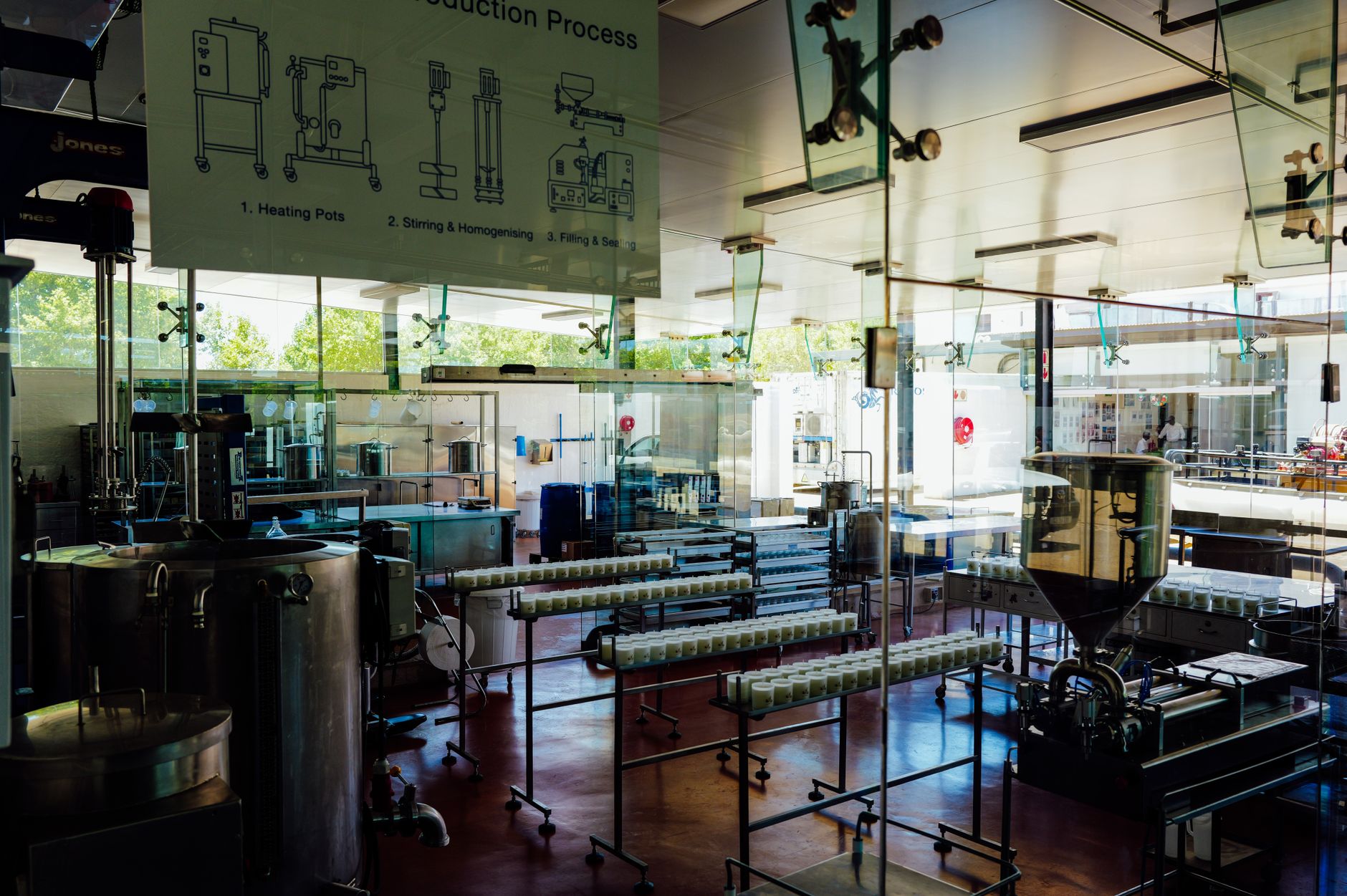
The global scramble for semiconductor dominance just got a little more interesting. In March 2024, Infineon Technologies, a German powerhouse in the chip industry, officially opened its new €5 billion (approximately $5.4 billion) chip plant in Dresden, Germany. This isn’t just a local economic victory; it's a cornerstone in the European Union’s ambitious plan to drastically reduce its reliance on Asian chip suppliers – and, by extension, bolster its economic and technological sovereignty. This article dives deep into the financial implications of this plant, its significance for the EU, and what it means for investors and the global semiconductor landscape.
The Global Semiconductor Landscape: Why Independence Matters
For decades, the semiconductor industry has been heavily concentrated in East Asia, particularly Taiwan (TSMC being the dominant player), South Korea (Samsung), and increasingly, China. While this concentration has driven down costs and fueled innovation, it has also created vulnerabilities. The COVID-19 pandemic dramatically highlighted these weaknesses, exposing critical supply chain fragility when lockdowns and logistical bottlenecks triggered a global chip shortage.
This shortage rippled through numerous industries – automotive, electronics, healthcare – causing production halts, price increases, and significant economic disruption. The geopolitical tensions surrounding Taiwan further amplified concerns. The EU, and Germany specifically, recognized that relying on a handful of external sources for such a fundamental technology was a strategic risk.
The EU's stated goal is to double its share of global semiconductor production to 20% by 2030, up from roughly 10% currently. The Chips Act, a massive public-private initiative, is the driving force behind this ambition, offering substantial financial incentives to encourage chip manufacturers to build and expand facilities within Europe. Infineon’s Dresden plant is one of the first, and most significant, fruits of this policy.
Infineon's Dresden Plant: A Deep Dive
The new Infineon plant isn't just a chip plant; it's a state-of-the-art facility focused on power semiconductors – essential components for electric vehicles (EVs), renewable energy systems, and industrial applications. These aren’t the high-end processors found in smartphones and computers, but they are critical for the green transition and a sector where Europe can realistically compete.
Here's a breakdown of key features:
- Investment: €5 billion total investment, with significant funding from the German government and the EU’s Chips Act.
- Technology: Focused on 300mm wafers, allowing for more chips per wafer and thus lower production costs.
- Capacity: Designed to produce millions of power semiconductors annually.
- Jobs: Creation of approximately 1,000 high-skilled jobs in the Dresden region.
- Sustainability: The plant is designed to be highly energy efficient, reflecting a commitment to environmental responsibility.
The choice of Dresden is also strategic. The region already has a well-established microelectronics ecosystem, benefiting from a skilled workforce, research institutions, and existing infrastructure. This cluster effect will further boost innovation and competitiveness.
Financial Implications for Infineon and Investors
The Dresden plant represents a major investment for Infineon. While the long-term benefits – increased production capacity, reduced supply chain risk, and access to government subsidies – are substantial, the initial capital expenditure will impact the company’s financials.
- Short-Term Impact: Expect a temporary reduction in free cash flow as the company ramps up production and covers capital expenditures. Investors should monitor Infineon’s quarterly reports for updates on the plant’s progress and its impact on profitability.
- Long-Term Growth: The plant positions Infineon to capitalize on the growing demand for power semiconductors, particularly driven by the EV revolution and the expansion of renewable energy. This should translate to increased revenue and profitability in the coming years.
- Stock Performance: Infineon’s stock (IFX) has shown resilience, and analysts are generally positive on its long-term prospects. The successful execution of the Dresden plant project will be a key factor influencing future stock performance. https://example.com/ – Investing in individual stocks carries risk; consider diversification and consult with a financial advisor.
- Competitive Advantage: The plant strengthens Infineon's position as a leading provider of power semiconductors, potentially allowing it to gain market share from competitors.
The EU’s Chips Act and the Broader Economic Impact
Infineon’s Dresden plant is just one piece of the puzzle. The EU’s Chips Act aims to attract over €15 billion in public and private investment to boost Europe’s semiconductor capabilities. Other major players, including Intel and TSMC, are also planning significant investments in European chip manufacturing facilities.
Here's a table summarizing some key investments under the EU Chips Act:
| Company | Location | Investment (approx.) | Focus |
|---|---|---|---| | Infineon | Dresden, Germany | €5 billion | Power Semiconductors | | Intel | Magdeburg, Germany | €17 billion | Leading-edge Logic Chips | | TSMC | Dresden, Germany | €3.5 billion | Specialty Chips | | STMicroelectronics | Crolles, France & Italy | €7 billion | Various Semiconductors |
The broader economic impact of these investments will be significant. Beyond the direct creation of jobs in the semiconductor industry, the increased domestic chip production will support a wide range of other sectors, including automotive, aerospace, and defense. It will also reduce the EU’s vulnerability to geopolitical shocks and supply chain disruptions.
However, challenges remain. Europe still lags behind Asia in terms of chip manufacturing technology and ecosystem maturity. Attracting and retaining skilled workers will be crucial, as will fostering collaboration between industry, research institutions, and governments. The EU also needs to address concerns about energy costs and regulatory burdens to ensure its competitiveness.
Geopolitical Implications: Reducing Reliance on Asia
The push for semiconductor independence isn't solely about economics; it's also about national security and geopolitical strategy. The concentration of chip manufacturing in Taiwan – a region facing increasing tensions with China – creates a significant risk. A disruption to chip supplies could have devastating consequences for the global economy.
By diversifying its chip sources and building up domestic production capacity, the EU is reducing its vulnerability to external pressures. This strengthens its strategic autonomy and allows it to pursue its own economic and political interests without being beholden to other nations. The ability to produce critical technologies domestically is increasingly seen as a matter of national security.
Future Outlook and Investment Opportunities
The semiconductor industry is poised for continued growth in the coming years, driven by demand for EVs, 5G, artificial intelligence, and other emerging technologies. The EU’s efforts to bolster its chip manufacturing capabilities present both challenges and opportunities.
For investors, this creates several potential avenues for exposure:
- Semiconductor Companies: Investing in companies like Infineon, ASML (a key supplier of chipmaking equipment), and STMicroelectronics.
- Chip Equipment Manufacturers: Companies that provide the tools and technologies used to manufacture semiconductors.
- ETFs: Exchange-traded funds focused on the semiconductor industry offer diversified exposure.
- Supply Chain Players: Companies involved in the broader semiconductor supply chain, such as materials suppliers and packaging companies.
However, it's crucial to remember that the semiconductor industry is cyclical and subject to rapid technological change. Thorough research and a long-term investment horizon are essential. The rise of AI and its insatiable need for processing power will be a key driver of demand, but potential economic slowdowns could dampen growth.
Disclaimer
This article is for informational purposes only and should not be considered financial advice. Investing in the stock market involves risk, and you could lose money. Always consult with a qualified financial advisor before making any investment decisions. The author may receive a commission from purchases made through the https://example.com/ affiliate link.