European ISPs Want Rightsholders Held Accountable for Overblocking Damage
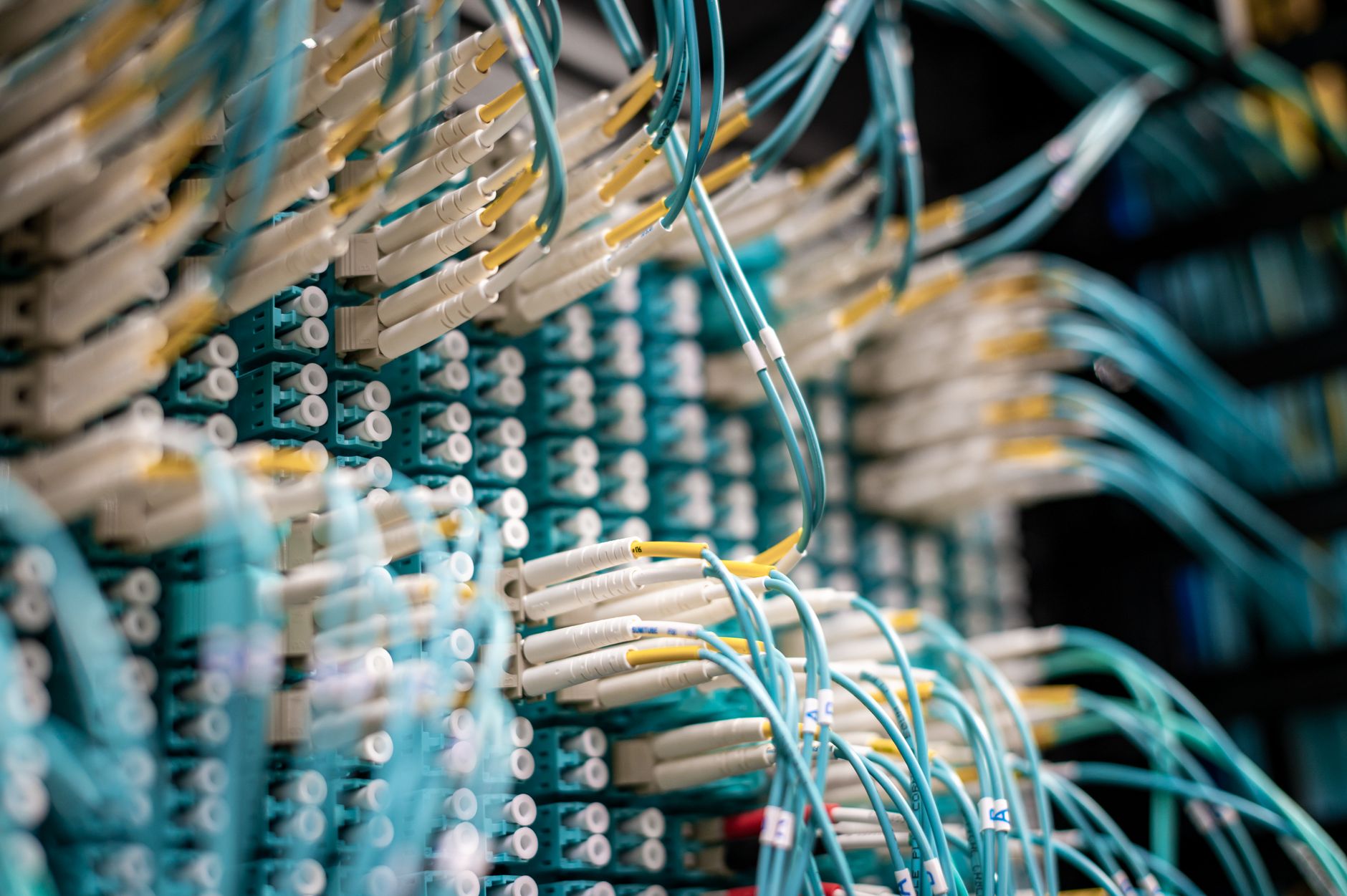
For years, Internet Service Providers (ISPs) have been caught in the crossfire between copyright holders and users. Tasked with implementing content-blocking measures to combat piracy, ISPs often find themselves erring on the side of caution, leading to “overblocking” – the blocking of legitimate content alongside infringing material. Now, a growing coalition of European ISPs is demanding a significant shift in responsibility: they want rightsholders to be held financially accountable for the damages caused by these erroneous blocks. This development has significant implications, not just for the internet landscape, but also for the financial health of ISPs and the future of internet access for consumers.
The Problem of Overblocking: A Costly Burden
Overblocking isn't a new issue, but its frequency and impact are escalating. Copyright holders routinely issue “notice-and-takedown” requests, or more aggressive blocking orders, to ISPs. These requests often rely on algorithms and automated detection systems, which aren’t always accurate. As a result, legitimate websites, services, and even crucial infrastructure can be inadvertently blocked.
The consequences are wide-ranging:
- Financial Loss for ISPs: ISPs incur costs associated with implementing and maintaining blocking systems, investigating false positives, and handling customer complaints. These costs are currently borne entirely by the ISPs, regardless of whether the blocking order was justified.
- Reduced Customer Satisfaction: Customers experience frustration and inconvenience when legitimate content is blocked, potentially leading to churn (customers switching providers).
- Damage to Legitimate Businesses: Businesses relying on the blocked content suffer financial losses due to reduced access and traffic. This is particularly impactful for smaller companies.
- Erosion of Trust: Overblocking erodes trust in both ISPs and the copyright system.
- Hindered Innovation: The fear of accidental blocking can stifle innovation and the development of new online services.
Imagine a small e-commerce business, heavily reliant on social media marketing. A wrongly blocked link, stemming from an overzealous copyright claim, could devastate their sales for days, or even weeks. The ISP is left to deal with the fallout, absorbing the costs and reputational damage.
Why Now? The Growing ISP Rebellion
Several factors are converging to fuel this push for accountability.
- Increased Frequency of Blocking Orders: The volume of blocking orders is steadily increasing, putting a greater strain on ISP resources.
- Poor Quality of Notices: ISPs are increasingly receiving inaccurate or poorly substantiated blocking requests.
- Lack of Transparency: Rightsholders often lack transparency regarding the methods used to identify infringing content.
- Evolving Legal Landscape: Recent discussions within the European Union regarding the Digital Services Act (DSA) and the Digital Markets Act (DMA) are fostering a more proactive approach to digital regulation.
- Rising Costs: The financial strain on ISPs is becoming unsustainable, especially as infrastructure investments continue to be substantial.
The argument is simple: if rightsholders benefit from the blocking of content, they should also bear the responsibility for ensuring that the process is accurate and doesn’t harm legitimate businesses and consumers.
What are ISPs Demanding?
The core demand is a shift in the legal framework to establish clear liability for rightsholders when their blocking requests result in demonstrable harm. Specific proposals include:
- Financial Compensation for ISPs: Rightsholders should compensate ISPs for the costs associated with implementing blocking orders, investigating false positives, and addressing customer complaints.
- Mandatory Due Diligence: Rightsholders should be required to conduct thorough due diligence before submitting blocking requests, including verifying the accuracy of their claims.
- Transparency Requirements: Rightsholders should be transparent about the methods used to identify infringing content and the criteria for issuing blocking requests.
- Expedited Dispute Resolution: A streamlined and affordable dispute resolution process should be established to allow ISPs to challenge inaccurate blocking requests.
- "Safe Harbor" Protection Enhancement: ISPs seek clearer "safe harbor" provisions, protecting them from liability when they act in good faith to comply with valid court orders, and when they promptly address errors.
Essentially, ISPs are advocating for a system where rightsholders are incentivized to be more careful and accurate in their copyright enforcement efforts. They aren’t arguing against copyright protection, but rather for a fairer and more balanced system.
The Potential Financial Impact: Winners and Losers
This shift could have significant financial ramifications for all parties involved.
ISPs: Stand to benefit financially, recouping costs and potentially improving their profitability. This could enable them to invest more in infrastructure and improve services for customers. https://example.com/ – Consider upgrading your home internet router to handle potentially increased demands on your connection; browse options here.
Rightsholders: Could face increased costs associated with copyright enforcement. They’ll need to invest in more sophisticated detection methods and implement rigorous quality control processes. Smaller rightsholders might struggle to absorb these costs.
Consumers: Could benefit from reduced overblocking and improved internet access. However, rightsholders might pass on increased enforcement costs through higher prices for content.
Legal Industry: Demand for legal expertise in copyright law and digital rights management is likely to increase, as disputes over blocking orders become more common.
Here’s a simplified breakdown:
| Stakeholder | Potential Impact |
|-------------------|-------------------| | ISPs | +Financial Gain, Improved Reputation | | Rightsholders | -Increased Costs, More Scrutiny | | Consumers | +/- Improved Access, Potentially Higher Prices | | Legal Industry | +Increased Demand | | Small Businesses | +Reduced Disruption |
The Broader Implications for Finance and Technology
The outcome of this debate extends beyond the immediate concerns of ISPs and rightsholders. It has implications for several key areas within the finance and technology sectors:
- Investment in Cybersecurity: The need for more accurate content detection and blocking technologies will drive investment in cybersecurity and machine learning.
- FinTech Innovation: Overblocking can disrupt online financial services. A fairer system will foster innovation in FinTech.
- Digital Content Market: The pricing and distribution of digital content could be impacted if rightsholders pass on enforcement costs to consumers.
- Cloud Services: Cloud providers, who host a vast amount of user generated and copyrighted content, will need to adapt to the new liabilities.
- Venture Capital: Startups developing content filtering or copyright enforcement technologies might attract increased venture capital funding. https://example.com/ - Secure your data and protect your privacy with a reliable VPN; explore options here.
What’s Next? The Path Forward
The debate is ongoing, with discussions taking place at both national and European levels. The EU's Digital Services Act (DSA) provides a potential framework for establishing clearer rules regarding content moderation and accountability. Several European countries are also considering national legislation to address the issue of overblocking.
The outcome will likely involve a compromise that balances the rights of copyright holders with the needs of ISPs and consumers. A key element will be establishing a clear and transparent process for challenging inaccurate blocking requests and ensuring that rightsholders are held accountable for the damages caused by overblocking.
Ultimately, the goal is to create a more sustainable and equitable system that protects copyright while preserving the openness and accessibility of the internet.
Disclaimer
This article contains affiliate links. If you purchase a product or service through these links, we may receive a commission at no extra cost to you. This helps support our website and allows us to continue providing valuable content. Our reviews and recommendations are based on our honest opinions and are not influenced by affiliate partnerships.
Image Suggestions:
- Image: A split image showing a frustrated user on one side and a complex network diagram on the other. **
- Image: A gavel striking a digital circuit board. **
- Image: A flow chart illustrating the current process of blocking requests and the proposed changes. **
- Image: A close-up of a computer router with glowing connections. **