Erin Brockovich made a map to track data centers around the country
Erin Brockovich, famed for her environmental activism highlighted in the Julia Roberts film of the same name, has recently brought attention to a largely unnoticed infrastructural network across the United States: data centers. But this isn't about water contamination; it’s about power, water usage, land use, and, crucially, the hidden financial implications of these massive facilities. Brockovich’s meticulously compiled map, highlighting the geographic density of data centers, isn’t just an environmental warning – it’s a financial signal flare. This article will dissect the financial landscape surrounding data centers, exploring their economic impact, potential investment avenues, and associated risks.
The Rise of the Data Center: Fueling the Digital Economy
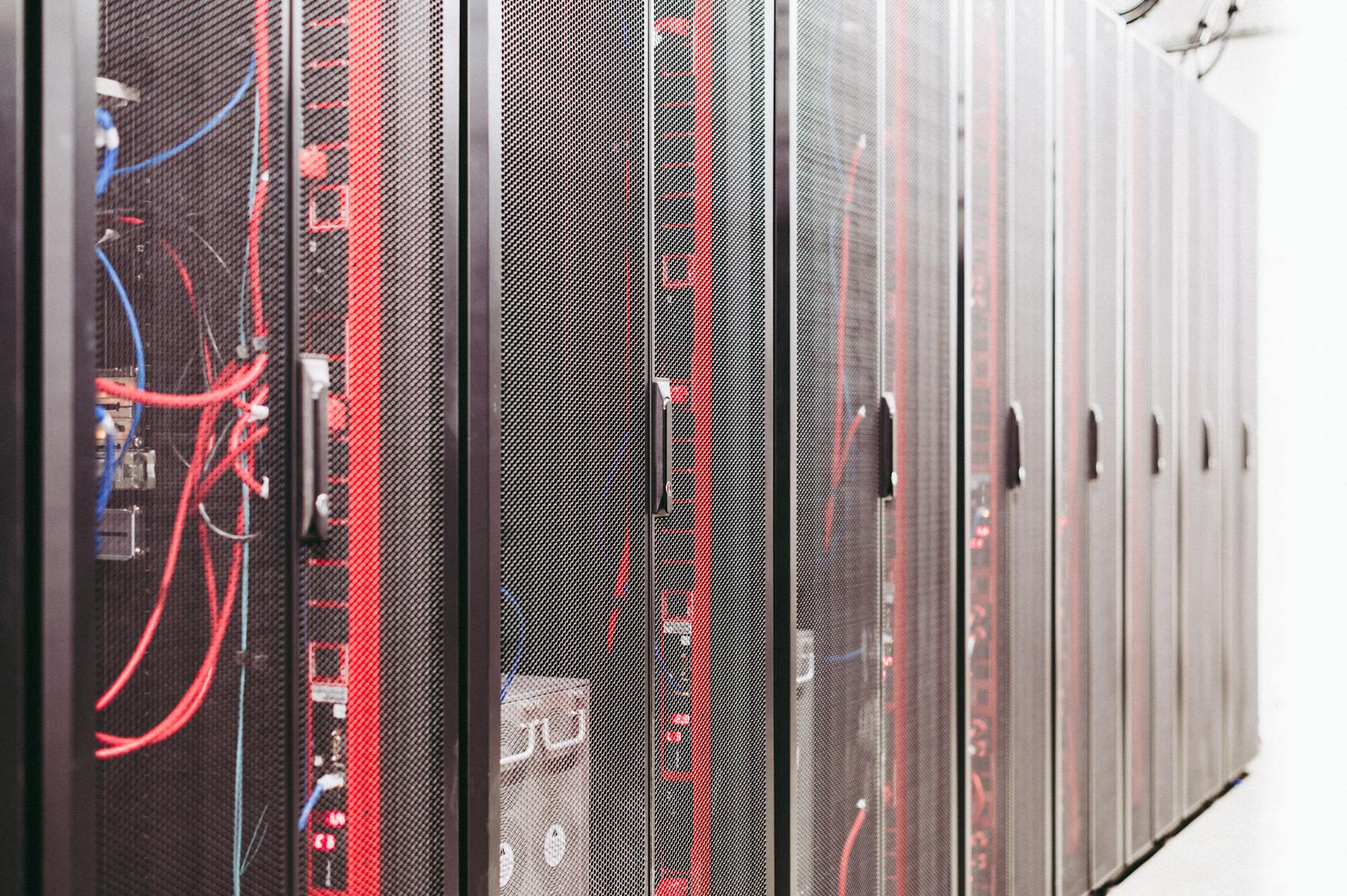
Data centers are the backbone of our digital world. They house the servers, storage, and networking equipment that power everything from cloud computing and streaming services to online banking and social media. Their growth is exponential, driven by:
- Cloud Computing: Businesses are increasingly migrating to the cloud, demanding more data center capacity.
- Big Data & AI: The explosion of data and the rise of Artificial Intelligence require massive processing power and storage.
- Remote Work & Digital Transformation: The shift towards remote work and the overall digitalization of industries have fueled demand.
- 5G & IoT: The rollout of 5G networks and the proliferation of Internet of Things (IoT) devices are generating even more data.
This demand translates into significant investment in data center construction and operation. But it's not just about the tech companies themselves. The ripple effect extends to numerous related industries, creating a complex financial ecosystem.
The Economic Impact: Beyond the Tech Giants
The impact of data centers extends far beyond the balance sheets of companies like Amazon (AWS), Microsoft (Azure), and Google (GCP). They are significant economic drivers in the communities where they are located.
- Job Creation: Data centers create both temporary construction jobs and permanent positions for technicians, engineers, and security personnel. While not always a huge number compared to some industries, these are typically high-paying, skilled jobs.
- Real Estate Development: Data center construction stimulates local real estate markets, increasing property values and demand for surrounding land. This is especially true in areas with favorable power and connectivity infrastructure. This presents potential investment opportunities for real estate investors.
- Tax Revenue: Data centers contribute to local and state tax revenues, funding public services.
- Supporting Industries: They drive demand for supporting industries like electrical equipment suppliers, cooling system manufacturers, and security services.
However, this economic boon isn’t without its costs. As Erin Brockovich’s map illustrates, these facilities require substantial amounts of water and energy. The financial implications of these resource demands are becoming increasingly significant, driving up costs and impacting sustainability.
Investment Opportunities: Riding the Data Center Wave
The data center boom presents several investment opportunities:
- REITs (Real Estate Investment Trusts): Several REITs specialize in owning and operating data centers, offering investors exposure to this growing sector. Look for REITs with a diversified portfolio of facilities and strong tenant relationships. https://example.com/ may have information on top-performing data center REITs.
- Data Center Operators: Investing directly in companies that build and operate data centers (like Equinix, Digital Realty, or CyrusOne) can be lucrative, but requires a deeper understanding of the industry.
- Power & Utility Companies: Data centers are massive power consumers. Investing in companies that supply power to these facilities, particularly those focused on renewable energy, can be a smart play.
- Renewable Energy Providers: The increasing pressure to reduce the carbon footprint of data centers is driving demand for renewable energy sources. Investing in solar, wind, and other renewable energy projects located near data center clusters is a promising avenue.
- Water Technology Companies: As water usage becomes a major concern, companies developing water conservation and recycling technologies could see increased demand.
- Connectivity Providers: Companies providing high-speed fiber optic connectivity to data centers are crucial to their operation.
Image Suggestion: *A map of the US highlighting data center clusters, with icons representing investment opportunities.
The Financial Risks: A Closer Look at the Downsides
While the financial prospects seem bright, it's crucial to acknowledge the risks:
- Energy Costs & Volatility: Data centers are extremely energy intensive. Fluctuations in energy prices can significantly impact their operating costs and profitability. Areas with unpredictable or expensive energy sources are less attractive for data center development.
- Water Scarcity: Many data centers are located in areas prone to water scarcity. Increasing water costs and restrictions could pose significant challenges.
- Environmental Regulations: Stricter environmental regulations regarding energy consumption and water usage could increase compliance costs and limit future development.
- Geopolitical Risks: Data centers are critical infrastructure. They are vulnerable to cyberattacks and physical threats, requiring robust security measures.
- Oversupply: While demand is currently high, there is a risk of oversupply in certain markets, leading to decreased occupancy rates and lower rental income.
- Technological Disruption: Advances in computing technology, such as quantum computing, could potentially render existing data center infrastructure obsolete.
- ESG (Environmental, Social, and Governance) Concerns: Increasing investor scrutiny of ESG factors means that data centers with poor sustainability practices may face difficulty attracting capital.
Erin Brockovich’s Map: A Visual Representation of Risk and Opportunity
Brockovich’s map isn't simply a list of locations; it’s a visual representation of these risks and opportunities. The concentration of data centers in certain areas highlights the potential for strain on local resources – particularly water and energy. It also points to areas where real estate and infrastructure investment might be most lucrative. It underscores the need for:
- Sustainable Data Center Design: Utilizing water-efficient cooling systems, renewable energy sources, and waste heat recovery technologies.
- Strategic Site Selection: Choosing locations with access to affordable and sustainable energy and water resources.
- Improved Grid Infrastructure: Upgrading the power grid to support the growing demand from data centers.
- Increased Transparency: Greater disclosure of data center energy and water usage.
- Community Engagement: Working with local communities to address concerns about environmental impact and resource allocation.
Image Suggestion: *A close-up of Erin Brockovich’s data center map, highlighting areas with high concentration and potential resource constraints.
The Future of Data Centers and Your Finances
The data center industry is poised for continued growth, driven by the relentless demand for digital services. However, the industry faces significant challenges related to sustainability and resource management.
Investors who understand these challenges and opportunities – and who prioritize ESG factors – are likely to be best positioned to benefit from this evolving landscape. The financial implications are substantial, impacting everything from real estate to energy markets to technology innovation.
Staying informed, conducting thorough due diligence, and considering long-term sustainability factors are essential for making sound investment decisions in this dynamic sector. Resources like research reports from companies like CBRE and JLL [AFFILIATE_LINK_AMAZON_PRODUCT – link to a relevant industry research book] can provide valuable insights.
Disclaimer:
This article is for informational purposes only and does not constitute financial advice. The author is not a financial advisor. Investing in data center-related assets carries risks, and you should consult with a qualified financial professional before making any investment decisions. The affiliate links provided are for informational purposes only and do not constitute an endorsement of any particular product or service. We may receive a commission if you make a purchase through these links.