Electric motors with no rare earths
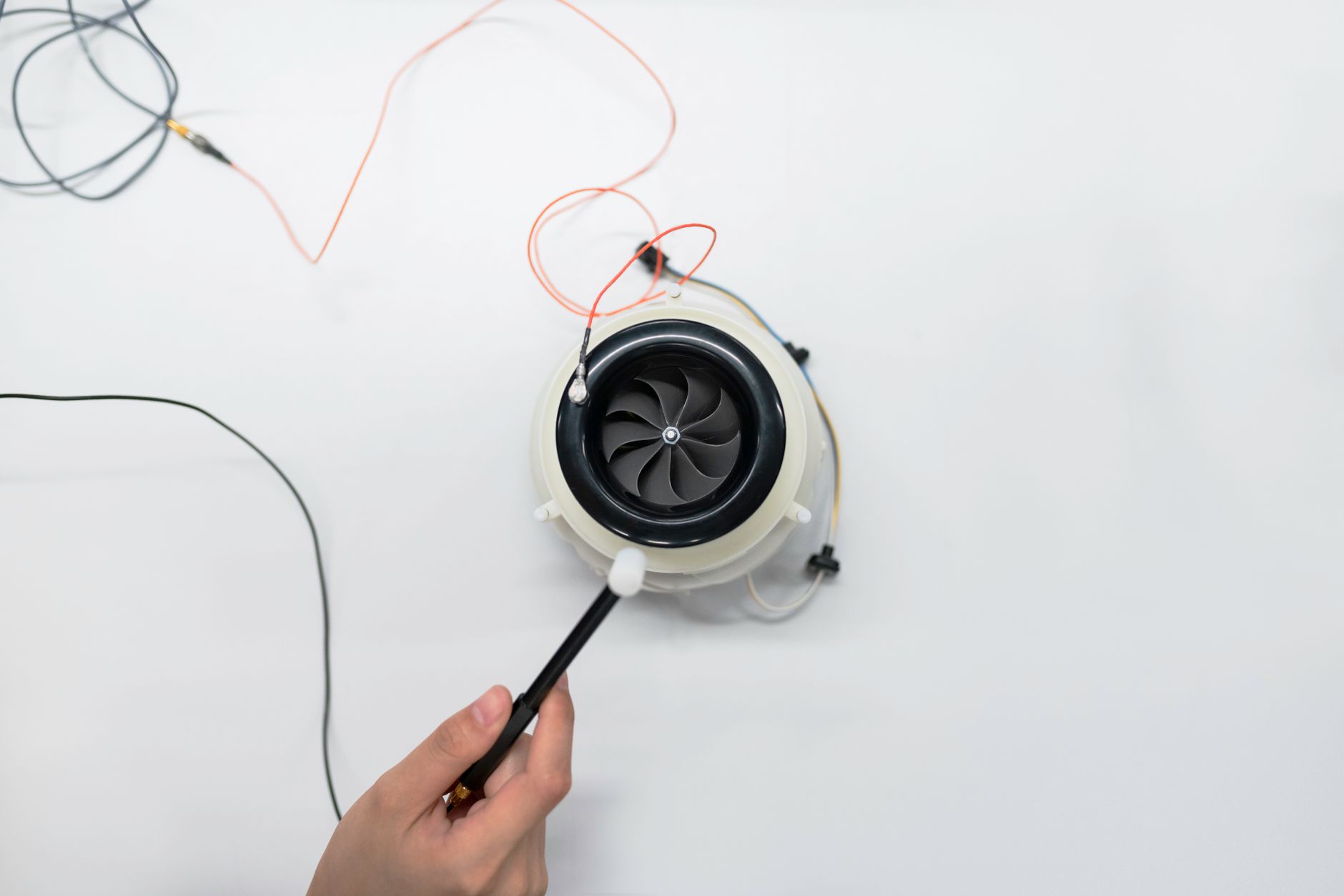
Electric vehicles (EVs) are touted as a cornerstone of a sustainable future, and their adoption is rapidly increasing. But beneath the sleek exterior and silent operation lies a crucial component: the electric motor. Most high-performance EVs currently rely on permanent magnet synchronous motors (PMSMs), which crucially depend on rare earth elements (REEs) – specifically neodymium and dysprosium. However, growing geopolitical concerns, supply chain vulnerabilities, and environmental impacts associated with REE mining are driving significant innovation and investment in alternative motor technologies that don’t require these materials. This article dives deep into the world of rare-earth-free electric motors, exploring the technologies, the financial implications, and where investors can find opportunities.
The Rare Earth Problem: Why a Shift is Necessary
For years, China has dominated the global REE supply chain, controlling a vast majority of mining and processing. This dominance creates a strategic vulnerability for countries reliant on these materials, especially as demand surges with the EV revolution.
Here’s a breakdown of the issues:
- Geopolitical Risk: Dependence on a single source introduces significant geopolitical risk. Trade disputes or export restrictions could severely disrupt EV production.
- Supply Chain Vulnerability: The REE supply chain is complex and opaque, making it susceptible to disruptions from mining accidents, environmental regulations, or political instability.
- Environmental Impact: REE mining is notoriously environmentally damaging. Processes often involve hazardous chemicals and create significant waste. The environmental remediation costs are often substantial.
- Price Volatility: The price of REEs fluctuates significantly, adding cost uncertainty for EV manufacturers. Recent price spikes have already impacted profitability.
- Ethical Concerns: Mining practices in some regions have been linked to unethical labor practices and community displacement.
These factors are forcing companies to seek alternatives, not just for ethical and environmental reasons, but for long-term economic security. This is where the investment opportunity lies. Understanding these pressures is key to assessing the potential of companies developing rare-earth-free motor technologies.
The Contenders: Technologies Stepping Up
Several promising electric motor technologies are emerging as viable alternatives to traditional PMSMs. These technologies prioritize eliminating or significantly reducing reliance on REEs.
1. Ferrite Magnet Motors
- How they work: Ferrite magnets are composed of iron oxide and barium or strontium carbonate - abundant and inexpensive materials. These motors are essentially a simpler, cost-effective variation of PMSMs, swapping the neodymium magnets for ferrite.
- Pros: Lower cost, readily available materials, reduced environmental impact.
- Cons: Lower power density and efficiency compared to neodymium-based motors. Generally, they deliver less torque for a given size and weight.
- Investment Potential: Companies focused on optimizing ferrite magnet motor design and improving efficiency through advanced materials and manufacturing processes. Expect widespread adoption in lower-performance EVs and industrial applications. You might find related components on sites like https://example.com/.
2. Wound Rotor Synchronous Motors (WRSM)
- How they work: WRSMs use a rotor with windings, energized via slip rings, instead of permanent magnets. The magnetic field is created by the current flowing through these windings.
- Pros: No REEs required, excellent efficiency and power density, good control characteristics. Can be particularly effective in high-torque applications.
- Cons: More complex construction (slip rings add complexity and maintenance requirements), potentially higher manufacturing costs.
- Investment Potential: Companies innovating in slip ring technology to improve reliability and reduce maintenance. Also, firms focusing on optimizing WRSM control algorithms for enhanced performance.
3. Switched Reluctance Motors (SRMs)
- How they work: SRMs rely on the principle of magnetic reluctance. They have a simple, robust construction with no magnets or windings on the rotor. Torque is produced by the varying magnetic reluctance as the rotor rotates.
- Pros: No REEs, extremely robust and reliable (simple construction), low cost, high temperature tolerance.
- Cons: Historically known for noisy operation and lower efficiency, though advancements are addressing these issues. Torque ripple can be a concern.
- Investment Potential: Companies developing advanced control systems and novel rotor designs to minimize noise, reduce torque ripple, and improve overall efficiency. SRMs are gaining traction in applications like pumps, fans, and potentially some EVs.
4. Induction Motors (IMs)
- How they work: Induction motors, a well-established technology, use electromagnetic induction from the stator to induce current in the rotor, creating a magnetic field and torque.
- Pros: No REEs, robust, relatively inexpensive, well-understood technology.
- Cons: Lower efficiency than PMSMs, typically larger and heavier for a given power output.
- Investment Potential: While mature, advancements in materials and control algorithms can improve IM efficiency and power density. Expect continued use in applications where cost and simplicity are paramount.
Comparative Table:
| Technology | Rare Earths? | Efficiency | Power Density | Cost | Complexity | Applications |
|---|---|---|---|---|---|---|
| PMSM (Neodymium) | Yes | High | High | Moderate | Moderate | High-Performance EVs, Robotics |
| Ferrite Magnet Motor | No | Moderate | Moderate | Low | Moderate | Lower-Performance EVs, Industrial |
| WRSM | No | High | High | High | High | High-Torque Applications, EVs |
| SRM | No | Moderate | Moderate | Low | Moderate | Pumps, Fans, Potential EV applications |
| Induction Motor | No | Moderate | Low | Low | Low | Industrial, General Purpose |
Financial Implications & Investment Opportunities
The transition to rare-earth-free motors represents a significant financial shift.
- Supply Chain Reconfiguration: Investment will be required to build out new supply chains for the materials needed in alternative motor technologies (e.g., high-grade steel for rotors, specialized insulation materials).
- R&D Funding: Continued research and development are crucial to overcome the limitations of each technology and improve performance. Government grants and private investment will be vital.
- Manufacturing Adaptation: EV manufacturers will need to adapt their production lines to accommodate different motor types. This necessitates capital expenditure.
- Component Suppliers: Companies supplying components for rare-earth-free motors (e.g., laminations, windings, control systems) will experience increased demand.
Where to Invest:
- Motor Manufacturers: Companies directly developing and manufacturing rare-earth-free electric motors. Look for those with proprietary technology and strong partnerships with automotive OEMs.
- Materials Companies: Firms specializing in the production of ferrite magnets, high-grade steel, or advanced insulation materials.
- Control Systems & Software: Companies developing sophisticated control algorithms and software for optimizing motor performance.
- Supply Chain Logistics: Businesses focused on building and managing resilient and sustainable supply chains for the necessary materials.
- EV Manufacturers: While not a direct play, EV manufacturers actively investing in and adopting rare-earth-free motors will benefit from reduced costs and increased supply chain security. Look for announcements of strategic partnerships.
- ETFs: Consider exchange-traded funds (ETFs) that focus on the broader electric vehicle or renewable energy sectors. These funds may include companies involved in rare-earth-free motor technologies. You might find analysis and comparison tools on websites like https://example.com/.
The Road Ahead: Challenges and Future Outlook
While the future looks promising for rare-earth-free motors, several challenges remain:
- Performance Gap: Closing the performance gap between REE-based motors and alternatives is critical. Continued innovation is essential.
- Scalability: Scaling up production to meet the growing demand for EVs will require significant investment and manufacturing capacity.
- Infrastructure: Developing the necessary infrastructure for recycling and reusing materials from rare-earth-free motors is important for sustainability.
- Standardization: Establishing industry standards for performance and reliability will facilitate adoption.
Despite these challenges, the momentum towards rare-earth-free motors is undeniable. Driven by geopolitical risks, environmental concerns, and cost considerations, the transition is well underway. Investors who recognize this trend and strategically allocate capital to the companies leading the charge are likely to reap significant rewards. The future of electric mobility is shifting, and it’s moving beyond neodymium.
Disclaimer:
I am an AI chatbot and cannot provide financial advice. This article is for informational purposes only and should not be considered a recommendation to buy or sell any securities. Investment decisions should be based on your own research and consultation with a qualified financial advisor. The affiliate links provided are for informational purposes and do not constitute an endorsement of any specific product or service. If you click on an affiliate link and make a purchase, I may receive a small commission.