I Deliberately Slowed Down My Phone – And It Saved Me Money
Discover how intentionally slowing down your phone can boost financial well-being. Learn about impulse spending, digital minimalism, and regaining control of your finances.
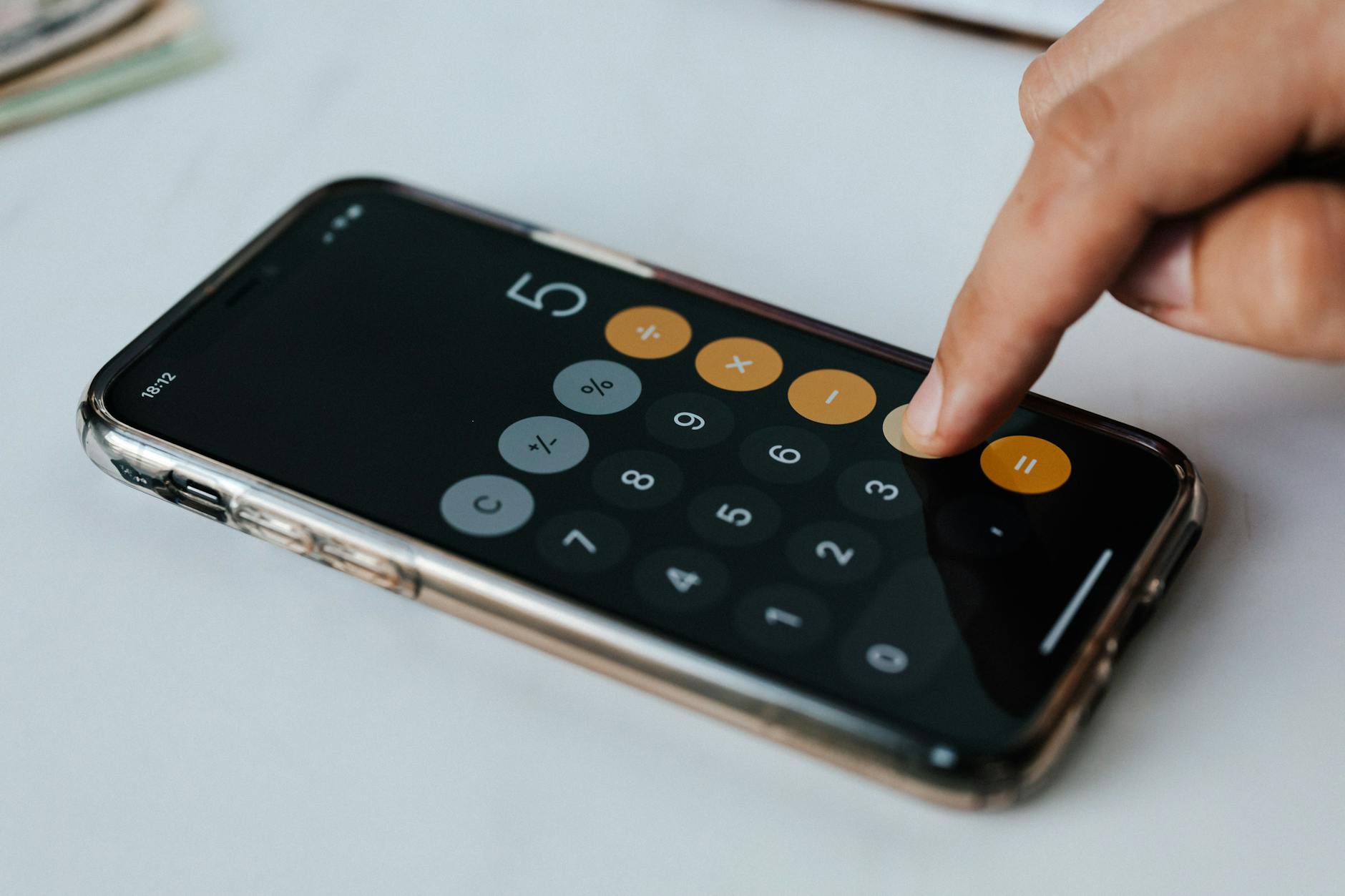
It sounds counterintuitive, doesn’t it? In a world obsessed with speed and efficiency, I intentionally made my phone slower. Not by letting it age naturally, but by actively tweaking settings and limiting access to certain apps. And it’s been surprisingly beneficial – especially for my finances. For years, I felt like my phone was controlling me, not the other way around. Constant notifications, endlessly scrolling through social media, and the ease of one-click purchases were draining my bank account and my mental energy. This is the story of how I took back control, and how you can too.
The Problem With Fast: Smartphones & Impulse Spending
Our smartphones are marvels of engineering. They connect us, inform us, and entertain us. But they’re also brilliantly designed to be addictive. Think about it:
- Infinite Scroll: Platforms like Instagram, TikTok, and Facebook utilize infinite scrolling, keeping you engaged for far longer than you intend.
- Push Notifications: Every ping, buzz, and alert triggers a dopamine hit, conditioning you to constantly check your phone.
- One-Click Purchasing: Amazon, and other retailers, make it incredibly easy to buy things with a single tap.
- Targeted Advertising: Algorithms learn your preferences and bombard you with ads for things you didn’t even know you wanted.
This constant stimulation contributes directly to impulse spending. How many times have you scrolled through social media and thought, "Oh, that looks nice, I need that!" and immediately purchased it? It’s a modern phenomenon, and it's costing us dearly. Research shows a clear correlation between increased smartphone use and higher levels of consumer debt. The faster your phone, the smoother the experience, and the easier it is to fall into these traps.
My Experiment: Slowing Down the Digital Tide
I knew I needed to make a change. Deleting all my apps wasn't realistic (or desirable). I enjoy using my phone for certain things – navigation, podcasts, and staying in touch with family. The goal wasn’t complete digital abstinence, but rather intentional usage. I wanted to create friction – to make it slightly less appealing to endlessly scroll or make spontaneous purchases. Here's what I did:
- Turned off Non-Essential Notifications: This was the biggest game-changer. I only allow notifications from essential apps like messaging and calendar. Social media? Completely silenced. Email? Summarized digests only.
- Removed Apps from the Home Screen: Out of sight, out of mind. I buried shopping apps and time-wasting games in folders on the last page of my home screen. This added a few extra steps to access them, disrupting the impulsive habit.
- Disabled Autoplay: Videos now require a tap to play. Again, a small friction point that breaks the automatic loop of consumption.
- Limited Screen Time: I started using the built-in screen time features on my phone (available on both iOS and Android) to set limits for specific apps. https://example.com/ - Consider a phone grip to help you physically put your phone down!
- Used Greyscale Mode: This might seem extreme, but switching my phone to greyscale made it significantly less visually appealing. It removes the vibrant colors that are designed to capture your attention.
- Deliberately Used Older Apps: Where possible, I opted for the older, less “polished” versions of apps. They often load slower, providing a subtle but noticeable pause before engaging.
The Financial Impact: Where Did the Money Go?
The results were astonishing. Within the first month, I noticed a significant decrease in my impulsive spending. Here's a breakdown:
- Reduced Online Shopping: I stopped mindlessly browsing online stores and buying things I didn’t need. That "Add to Cart" button suddenly seemed less tempting.
- Fewer Subscription Services: I cancelled several streaming services and apps that I wasn't actively using. The silence from the missing notifications made me realize how little I actually missed them.
- Less Eating Out: Scrolling through food delivery apps became less frequent, leading to more home-cooked meals (and significant savings!).
- Decreased "Treat Yourself" Purchases: That daily coffee, the new book, the impulse gadget – all of those small expenses added up. Slowing down my phone helped me become more mindful of my spending habits.
To illustrate, I tracked my spending for three months before and after implementing these changes. The results are summarized in the table below:
| Category | Before (Monthly) | After (Monthly) | Savings |
|---|---|---|---| | Online Shopping | $250 | $50 | $200 | | Subscriptions | $100 | $30 | $70 | | Eating Out/Delivery | $150 | $75 | $75 | | Impulse Purchases | $80 | $20 | $60 | | Total | $580 | $175 | $405 |
That’s over $400 saved each month! That money is now going towards my savings goals and paying down debt. https://example.com/ – A budgeting app can help track these savings, too.
Beyond Finances: Other Benefits of a Slower Phone
The financial benefits were a happy surprise, but slowing down my phone had other positive impacts as well:
- Increased Productivity: Fewer distractions meant I could focus more on work and personal projects.
- Improved Mental Wellbeing: I felt less anxious and overwhelmed. The constant stream of information was reduced, allowing me to be more present in the moment.
- More Meaningful Connections: I spent less time scrolling through social media and more time connecting with people in real life.
- Greater Appreciation for Offline Activities: I rediscovered hobbies like reading, hiking, and spending time in nature.
It’s Not About Luddism, It’s About Intentionality
This isn’t about rejecting technology altogether. It's about taking control of your relationship with it. It's about being intentional about how you use your phone, rather than letting it use you. We live in a hyper-connected world, and smartphones are powerful tools. But like any tool, they can be used for good or for ill. By slowing down your phone, you're not sacrificing convenience; you're reclaiming your time, your attention, and your financial freedom.
Taking the First Step
You don’t have to implement all of these changes at once. Start small. Turn off notifications for one app today. Move a shopping app to a hidden folder. Experiment and find what works best for you. The goal is to create a digital environment that supports your values and helps you achieve your financial goals. It's about choosing to be the master of your device, not its slave. And, who knows, you might be surprised at how much money – and peace of mind – you save.
Disclaimer:
Please note that this article contains affiliate links. If you make a purchase through these links, I may earn a small commission at no extra cost to you. This helps support my work and allows me to continue providing valuable content. I only recommend products and services that I genuinely believe in and have personally used or researched. Financial decisions should be made based on your individual circumstances and after consulting with a qualified financial advisor.