Crypto in 2026: Oh, This Is the Bad Place
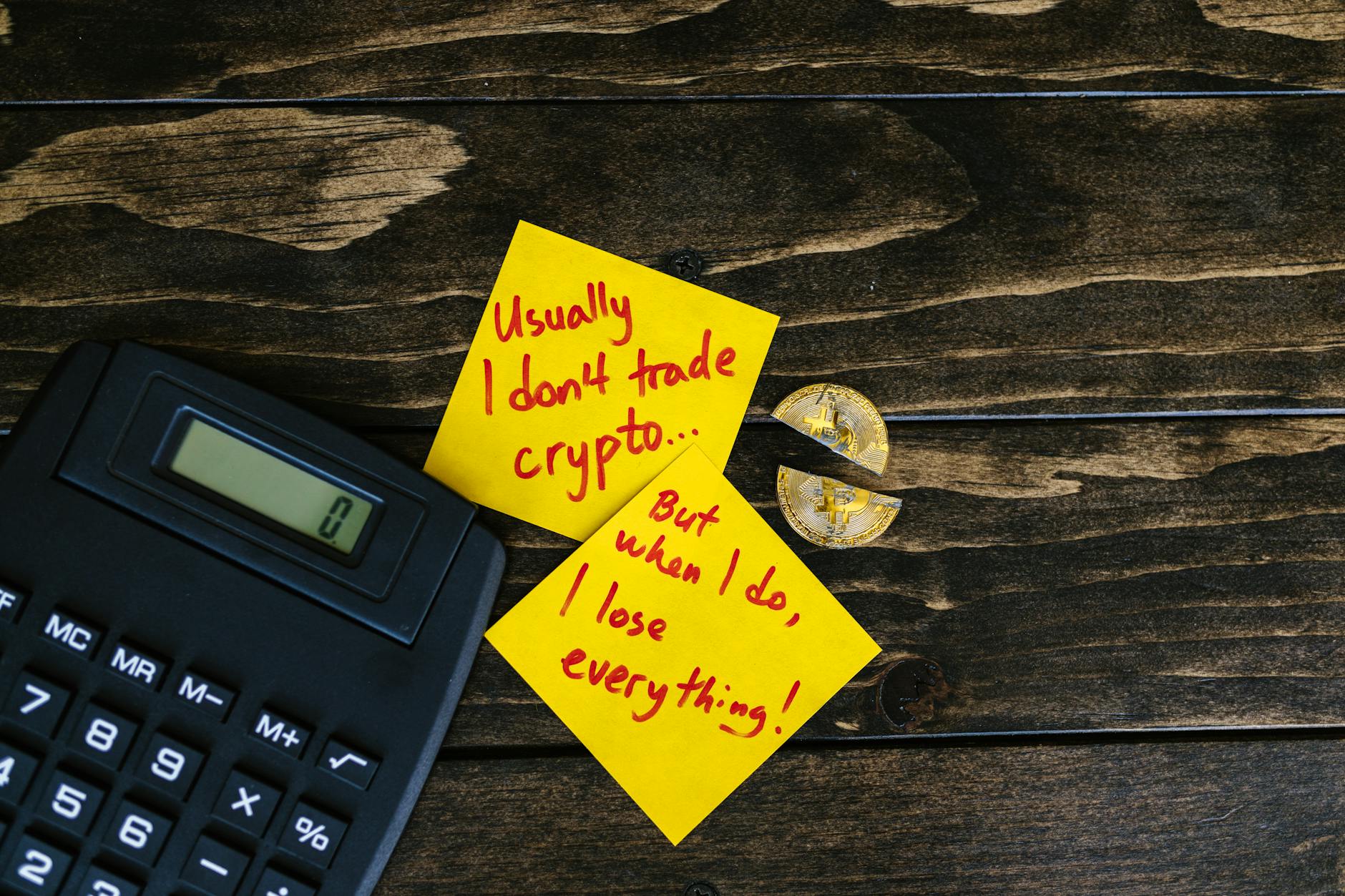
The hype cycle surrounding cryptocurrency has been…intense. From the dizzying heights of 2021 to the “crypto winter” of 2022-2023, the market has proven itself incredibly volatile. But looking ahead to 2026, simply extrapolating past trends feels naive. The landscape will be radically different. This isn’t a prediction of doom and gloom – although there will be plenty of that for some – but a realistic assessment of what forces are converging to create a dramatically altered crypto world. It’s a world where “the bad place” isn't necessarily complete collapse, but a stifling, heavily regulated, and vastly less profitable environment for many current participants.
The Regulatory Gauntlet
The biggest driver of change won't be technological innovation (although that will continue), but regulation. 2024 and 2025 are already seeing increased scrutiny, but by 2026, the noose will tighten significantly.
- Global Coordination: Forget fragmented, nation-by-nation approaches. G20 nations and bodies like the Financial Stability Board (FSB) are pushing for harmonized global standards. This means a crypto exchange operating in the Cayman Islands won't be able to ignore US or EU rules.
- MiCA and Beyond: The EU's Markets in Crypto-Assets (MiCA) regulation will be fully in effect. This comprehensive framework covers everything from stablecoins to crypto-asset service providers. Other regions will adopt similar, if not equally stringent, rules.
- SEC Enforcement: The US Securities and Exchange Commission (SEC) will have (hopefully) clarified which tokens are securities and which aren’t. Expect further enforcement actions against projects deemed to be offering unregistered securities. This will decimate a large portion of the altcoin market.
- Taxation: Crypto tax laws will become far more sophisticated and aggressively enforced. Forget casual reporting; expect automated tracking and reporting systems integrated with exchanges and potentially wallets.
- KYC/AML: Know Your Customer (KYC) and Anti-Money Laundering (AML) regulations will be ubiquitous. Anonymous transactions will become virtually impossible. This is the biggest blow to the core libertarian ethos of early crypto.
This isn't necessarily bad for the long-term health of the crypto ecosystem, but it will dramatically change who can participate and how. The era of wild west speculation is coming to an end.
Bitcoin: King, But Constrained
Bitcoin, despite the regulatory headwinds, is likely to remain the dominant cryptocurrency in 2026. However, even Bitcoin won’t be immune.
- Institutional Adoption: Continued, albeit slower, institutional adoption will be a key factor. We’ll see more pension funds and endowments tentatively dipping their toes in, but large-scale adoption will be tempered by regulatory uncertainty.
- Halving Impacts: The 2024 halving event will have played out, and its full impact will be assessed. While historically halvings have led to price increases, the market's response will be far more nuanced in 2026, factoring in the regulatory environment.
- Layer-2 Solutions: The success of layer-2 solutions like the Lightning Network will be critical for Bitcoin’s scalability and usability. Widespread adoption of these solutions is necessary for Bitcoin to truly become a viable payment system.
- Regulatory Challenges: Bitcoin will face regulatory pressure, particularly regarding its energy consumption and potential use in illicit activities. Expect ongoing debates about its classification as a commodity or a security.
The Altcoin Bloodbath
This is where things get ugly. The vast majority of altcoins – the thousands of cryptocurrencies beyond Bitcoin – are likely to face a very difficult future.
- Security vs. Utility: Projects lacking genuine utility and robust security will simply fail. Many altcoins were launched on hype rather than substance, and that hype will have evaporated.
- SEC Scrutiny: As mentioned earlier, the SEC’s crackdown on unregistered securities will claim many victims. Altcoins marketed as investment opportunities without proper registration will be subject to enforcement actions.
- Liquidity Drain: Increased regulation and institutional focus on Bitcoin will drain liquidity from the altcoin market. This will make it even harder for smaller projects to survive.
- The Rise of RWA's: Real World Asset (RWA) tokenization is gaining traction. Expect more investment flow away from speculative altcoins and towards tokens representing ownership of tangible assets like real estate or commodities. This shift will solidify the utility argument.
- Layer-1 Competition: While Ethereum will likely maintain its second-place position, other layer-1 blockchains (Solana, Avalanche, etc.) will face an uphill battle. Maintaining developer communities and attracting users will be increasingly challenging in a crowded and regulated market.
Stablecoins and CBDCs: The New Battleground
Stablecoins and Central Bank Digital Currencies (CBDCs) will be central to the future of digital finance in 2026.
- Stablecoin Regulation: Stablecoins will be subject to strict regulation, mirroring banking regulations. Issuers will be required to hold substantial reserves and comply with AML/KYC requirements. This will limit the proliferation of algorithmic stablecoins, which have proven to be inherently risky.
- CBDC Rollouts: Several countries will have launched pilot programs for CBDCs, and some may even have fully implemented them. The impact of CBDCs on the broader crypto market is uncertain, but they could potentially compete with stablecoins and even Bitcoin for users.
- Interoperability: The ability for different CBDCs and stablecoins to interoperate will be crucial. Standards for cross-border payments and data exchange will need to be established.
- Privacy Concerns: CBDCs raise significant privacy concerns. Governments will need to balance the benefits of CBDCs with the need to protect citizens' financial privacy.
DeFi: From Wild West to Controlled Environment
Decentralized Finance (DeFi) has shown tremendous promise, but it also faces significant challenges.
- Regulation of DeFi Protocols: Regulators will attempt to bring DeFi protocols under their jurisdiction. This will be difficult, as many protocols are designed to be decentralized and operate without intermediaries. However, expect regulations targeting the front-ends and developers of these protocols.
- Security Audits: Mandatory security audits will become the norm for DeFi projects. The frequent hacks and exploits that have plagued the DeFi space will necessitate stricter security standards. Tools like https://example.com/ for smart contract auditing could become essential.
- Institutional DeFi: Institutional investors will cautiously explore DeFi opportunities, but only within well-regulated and audited protocols.
- Insurance: DeFi insurance protocols will become more sophisticated and widely adopted, providing users with protection against hacks and exploits.
What Does This Mean for You?
If you’re currently involved in the crypto market, here’s how to prepare for 2026:
- Focus on Fundamentals: Invest in projects with genuine utility, strong teams, and robust security.
- Diversify (Cautiously): Don’t put all your eggs in one basket. Diversify your portfolio, but be selective.
- Understand the Regulations: Stay informed about the evolving regulatory landscape.
- Embrace Security: Use strong passwords, enable two-factor authentication, and store your crypto in a secure wallet. Consider hardware wallets like those available via https://example.com/.
- Be Prepared for Volatility: The crypto market will remain volatile, even with increased regulation.
Table: Crypto Asset Outlook - 2026
| Asset | Outlook | Key Risks | Potential Upsides |
|---|---|---|---|
| Bitcoin | Positive | Regulation, Energy Concerns | Institutional Adoption, Scarcity |
| Ethereum | Neutral/Slightly Positive | Scalability, Competition | Ecosystem Strength, DeFi Growth |
| Altcoins | Negative | Regulation, Liquidity, Security | Innovation, Niche Applications |
| Stablecoins | Neutral | Regulation, Centralization | Payment Systems, DeFi Integration |
| CBDCs | Uncertain | Privacy, Adoption Resistance | Financial Inclusion, Efficiency |
| DeFi Protocols | Neutral | Regulation, Security | Innovation, Financial Access |
The "bad place" isn't necessarily a complete crypto apocalypse. It's a maturation – a painful, complex, and heavily regulated maturation. The free-wheeling days of easy profits are largely over. Survival in 2026 will require a new mindset: one focused on compliance, security, and genuine value, not just hype.
Disclaimer: I am an AI chatbot and cannot provide financial advice. This article is for informational purposes only. Cryptocurrency investments are highly risky and you could lose all of your investment. Always conduct your own research and consult with a qualified financial advisor before making any investment decisions. This article contains affiliate links, meaning I may receive a commission if you make a purchase through these links. This does not influence my recommendations.