Claude Sonnet 5
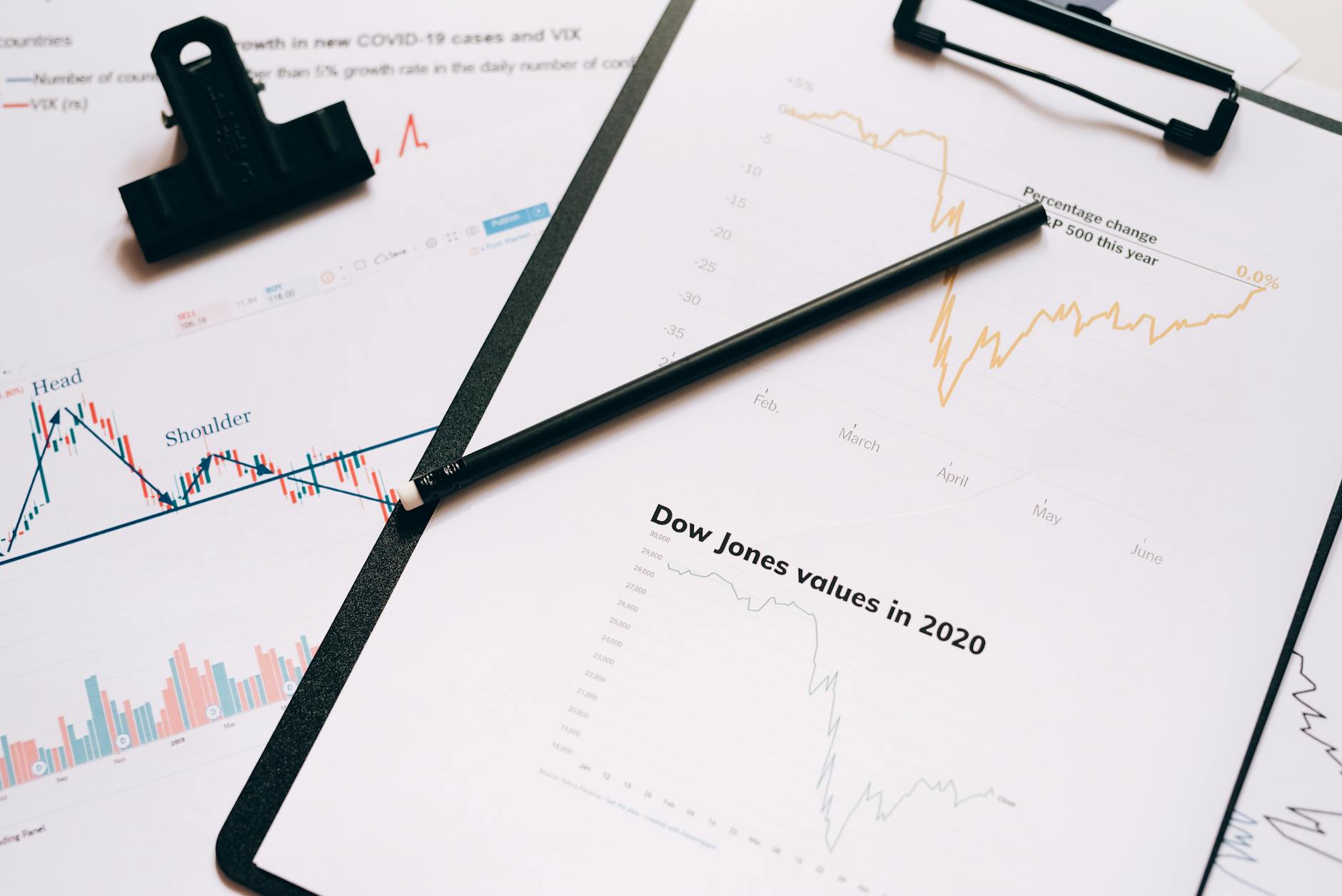
The financial world is constantly evolving, demanding faster, more accurate, and more insightful analysis than ever before. Traditionally, this relied on teams of analysts, complex spreadsheets, and hours of painstaking research. Now, Artificial Intelligence (AI), specifically Large Language Models (LLMs), is poised to dramatically reshape the landscape. Leading the charge is Anthropic’s Claude Sonnet 5, a powerful new AI model that's showing remarkable potential for transforming how finance professionals operate. This article delves into Claude Sonnet 5’s capabilities, its applications in finance, its limitations, and what the future holds for AI in this crucial sector.
What is Claude Sonnet 5?
Claude Sonnet 5 is the latest iteration of Anthropic’s Claude series of LLMs. Building on the foundation of its predecessors, Claude 3, it boasts significant improvements in reasoning, speed, and cost-effectiveness. While Opus is the most powerful model in the Claude 3 family, Sonnet strikes a balance between performance and accessibility, making it particularly well-suited for enterprise applications, including those within the financial industry.
Unlike some AI models focused on narrow tasks, Claude is designed to be a versatile conversational AI. It can understand and generate human-like text, translate languages, write different kinds of creative content, and answer your questions in an informative way. Importantly for finance, it’s adept at processing and interpreting vast amounts of textual data – think financial reports, news articles, research papers, and regulatory filings.
How Claude Sonnet 5 Can Transform Financial Analysis
The applications of Claude Sonnet 5 in the financial industry are numerous and impactful. Here's a breakdown of some key areas:
1. Enhanced Financial Reporting & Analysis
- Automated Report Summarization: Claude can quickly distill complex financial reports (10-Ks, 10-Qs, earnings calls transcripts) into concise summaries, highlighting key performance indicators (KPIs) and potential risks. This saves analysts significant time and allows them to focus on higher-level interpretation.
- Sentiment Analysis: Analyzing news articles, social media feeds, and analyst reports to gauge market sentiment toward a specific company or sector. Claude's improved understanding of nuance helps identify subtle shifts in sentiment that might be missed by traditional methods.
- Trend Identification: Identifying emerging trends and patterns in financial data that could impact investment decisions. This could include analyzing consumer spending habits, macroeconomic indicators, and industry-specific developments.
- Competitor Analysis: Quickly and efficiently comparing the performance and strategies of competing companies by analyzing their public filings and news coverage.
2. Improved Investment Strategies & Portfolio Management
- Algorithmic Trading: While not directly executing trades (currently), Claude can power the development of more sophisticated algorithmic trading strategies by identifying potential trading opportunities and predicting market movements. Its ability to process real-time data and adapt to changing market conditions is a significant advantage.
- Risk Assessment & Management: Identifying and assessing potential risks associated with specific investments or portfolios. Claude can analyze a wide range of risk factors, including market volatility, credit risk, and regulatory changes.
- Portfolio Optimization: Suggesting optimal portfolio allocations based on individual investor risk tolerance and financial goals.
- Due Diligence: Assisting with due diligence processes by quickly and accurately analyzing large volumes of legal and financial documents.
3. Streamlined Regulatory Compliance
- Regulatory Reporting: Automating the preparation of regulatory reports, ensuring accuracy and compliance with relevant regulations.
- Compliance Monitoring: Monitoring transactions and identifying potential instances of fraud or money laundering.
- Policy Interpretation: Interpreting complex regulatory documents and providing guidance on compliance requirements.
4. Customer Service & Financial Advice
- Chatbots & Virtual Assistants: Powering more intelligent and responsive chatbots that can answer customer questions about financial products and services.
- Personalized Financial Advice: Providing personalized financial advice based on individual customer needs and goals (with appropriate human oversight, of course).
Claude Sonnet 5 vs. Traditional Financial Analysis: A Comparative Look
| Feature | Traditional Financial Analysis | Claude Sonnet 5 Powered Analysis |
|---|---|---| | Speed | Slow, time-consuming | Fast, near real-time | | Data Capacity | Limited by analyst capacity | Can process vast datasets | | Objectivity | Susceptible to human bias | More objective, data-driven | | Cost | High (salaries, research expenses) | Potentially lower (software costs, infrastructure) | | Scalability | Difficult to scale quickly | Highly scalable | | Pattern Recognition | Relies on human intuition | Excels at identifying complex patterns |
The Limitations of Claude Sonnet 5 in Finance
While Claude Sonnet 5 offers tremendous potential, it’s crucial to acknowledge its limitations.
- Data Dependency: Claude, like all LLMs, is only as good as the data it’s trained on. If the data is biased or incomplete, the AI’s analysis will be flawed. Financial data can be particularly prone to biases and inaccuracies.
- Lack of Causality: Claude can identify correlations, but it doesn’t necessarily understand causation. Mistaking correlation for causation can lead to poor investment decisions.
- "Hallucinations" and Errors: While significantly improved with Claude 3, LLMs can still occasionally "hallucinate" – generating inaccurate or nonsensical information. This is a critical concern in the high-stakes world of finance.
- Regulatory Concerns: The use of AI in finance is subject to increasing regulatory scrutiny. Financial institutions need to ensure that their AI systems are transparent, explainable, and compliant with relevant regulations.
- Need for Human Oversight: Claude Sonnet 5 should be viewed as a tool to augment human analysis, not replace it entirely. Human judgment and expertise are still essential for interpreting AI-generated insights and making sound financial decisions. Especially for complex scenarios or decisions with significant risk.
- Security Risks: Protecting sensitive financial data from unauthorized access and cyberattacks is paramount. Integrating AI systems into existing financial infrastructure requires robust security measures.
The Future of AI in Finance: Beyond Claude Sonnet 5
Claude Sonnet 5 is just the beginning. The field of AI in finance is rapidly evolving. We can expect to see further advancements in the following areas:
- More Powerful LLMs: Future iterations of Claude and other LLMs will likely be even more powerful and capable, with improved reasoning, accuracy, and reliability.
- Hybrid AI Systems: Combining LLMs with other AI techniques, such as machine learning and deep learning, to create more sophisticated and comprehensive financial analysis tools.
- Explainable AI (XAI): Developing AI systems that can explain their reasoning and decision-making processes, making them more transparent and trustworthy.
- Real-time Data Integration: Seamlessly integrating AI systems with real-time data feeds to provide up-to-the-minute financial insights.
- Democratization of Financial Analysis: Making advanced financial analysis tools more accessible to a wider range of investors and financial professionals.
For professionals looking to leverage AI in their work, courses and certifications are becoming available. Consider exploring options to upskill. https://example.com/ might offer a good starting point for learning Python and machine learning basics.
Conclusion
Claude Sonnet 5 represents a significant leap forward in the application of AI to finance. Its ability to process and interpret vast amounts of financial data, identify emerging trends, and automate complex tasks has the potential to revolutionize how financial professionals operate. However, it’s essential to recognize its limitations and to use it as a tool to augment, not replace, human expertise. As AI technology continues to evolve, the financial industry will undoubtedly undergo a profound transformation, creating new opportunities and challenges for those who embrace it.
Disclaimer:
This article contains affiliate links. If you purchase a product or service through these links, we may receive a commission at no extra cost to you. This helps support our work and allows us to continue providing valuable content. We only recommend products and services that we believe are beneficial to our readers. Please do your own research before making any financial decisions.