Cars collect a startling amount of data about you
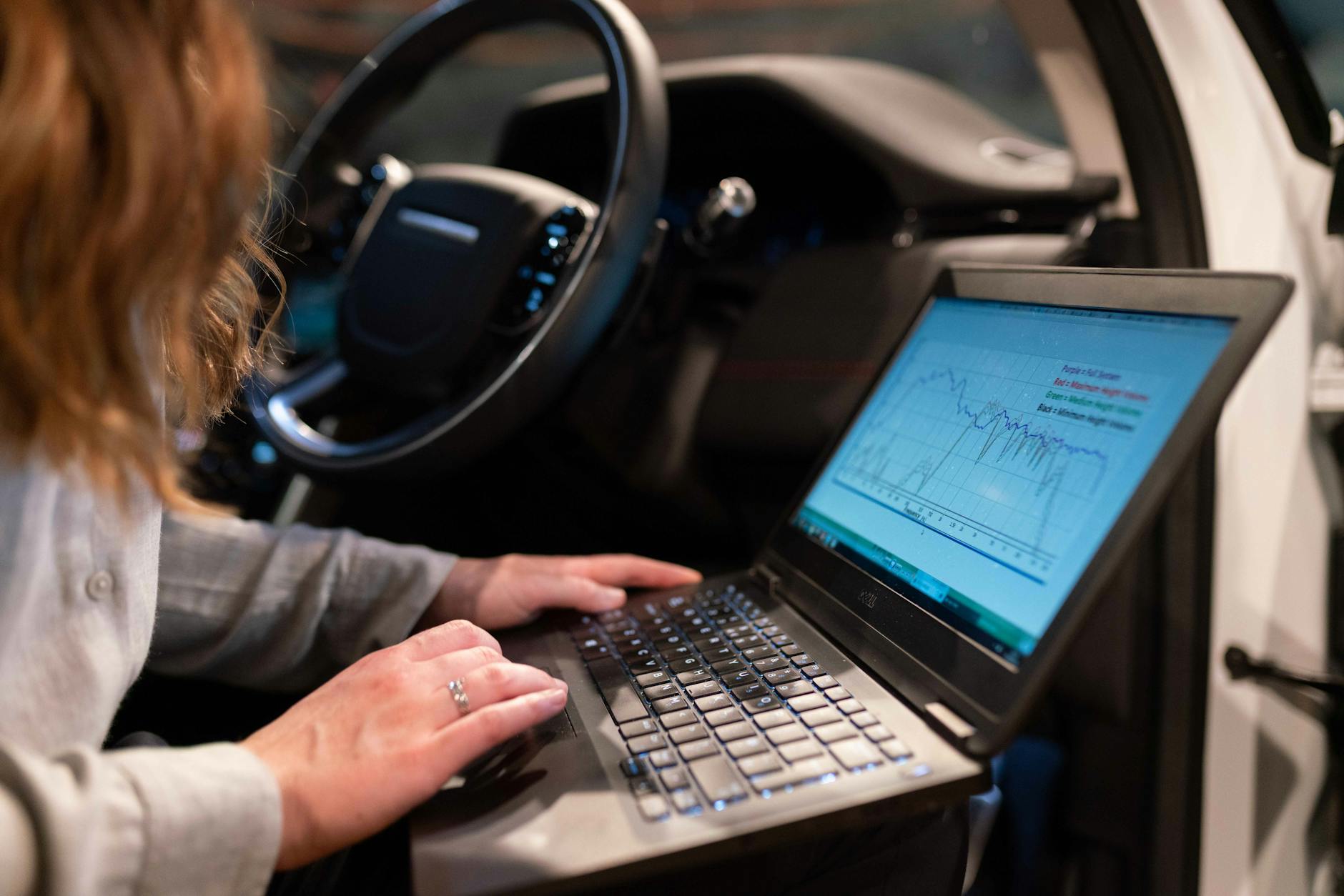
Your car is more than just a mode of transportation; it’s a rolling computer, brimming with sensors and connected to the internet. While this connectivity offers convenience and innovation – think navigation, entertainment, and advanced safety features – it also comes at a cost: your privacy. Modern vehicles collect a staggering amount of data about you, far beyond what most people realize. This article delves into the world of automotive data collection, exploring what data is gathered, how it’s used (including in auto finance!), the potential risks, and crucially, what steps you can take to protect your information.
The Sheer Volume of Data Your Car Collects
It's easy to think of your car as a mechanical object. However, today's cars contain dozens of Electronic Control Units (ECUs) – essentially mini-computers – managing everything from the engine and brakes to the infotainment system and climate control. Each of these ECUs generates data. Here’s a breakdown of the types of information your car is likely gathering:
- Driving Behavior: Speed, acceleration, braking patterns, steering habits, mileage, routes traveled, and even how hard you accelerate or brake. This data is used for everything from adaptive cruise control to analyzing driver performance (more on that later).
- Vehicle Diagnostics: Engine performance, tire pressure, battery health, fluid levels, and any error codes generated by the car’s systems. This allows for predictive maintenance and remote diagnostics.
- Location Data: Precise GPS location, recording where you go and when. This isn’t just for navigation; it's also used for traffic information, geo-fencing (tracking where the car is allowed to be), and potentially targeted advertising.
- Infotainment System Usage: Your music preferences, podcast choices, frequently called contacts, destinations entered into the navigation system, and even voice commands.
- Personal Settings: Seat positions, mirror adjustments, climate control settings, and personalized profiles linked to the vehicle.
- Camera & Sensor Data: Many modern cars have cameras for features like lane departure warning, automatic emergency braking, and parking assistance. These cameras can capture images and videos of your surroundings, potentially including pedestrians, other vehicles, and even your own activities.
- App Usage: If you connect your smartphone to your car (Apple CarPlay, Android Auto), data about the apps you use can be collected.
Who is Collecting This Data?
The data collected by your car isn’t necessarily staying in your car. A complex network of entities has access to it:
- Automakers: The primary collectors, using data for vehicle improvements, feature development, and warranty claims. They also increasingly monetize this data (see next section).
- Third-Party Vendors: Automakers often outsource data collection, analysis, and storage to specialized companies. These companies may have their own data usage policies.
- Insurance Companies: Usage-Based Insurance (UBI) programs, like those offered by https://example.com/ often rely on data from your car to determine your insurance rates. Driving behavior data is directly tied to your premiums.
- Law Enforcement: With a warrant, law enforcement can access vehicle data to investigate accidents or crimes.
- Repair Shops: When you bring your car in for service, diagnostic data is often shared with the repair shop and, potentially, the automaker.
- Advertising Networks: This is a growing concern. Data about your driving habits and locations can be used to target you with personalized advertising, both within the car’s infotainment system and elsewhere online.
How is Your Car Data Being Used? (Including in Finance)
The applications for this wealth of data are numerous. Here's a look at some key ways it's being used:
- Vehicle Improvement & Development: Data analysis helps automakers identify areas for improvement in vehicle design, safety features, and performance.
- Targeted Advertising: Imagine seeing ads for restaurants along your frequently traveled route displayed on your car's infotainment screen. That’s the power of location-based advertising.
- Usage-Based Insurance (UBI): As mentioned above, UBI programs offer lower insurance rates to safe drivers. Your driving data is the key factor in determining your premium.
- Predictive Maintenance: Analyzing diagnostic data can predict when a vehicle component is likely to fail, allowing for proactive maintenance and potentially preventing breakdowns.
- Fleet Management: Companies with vehicle fleets use data to track driver behavior, optimize routes, and reduce fuel consumption.
- Auto Finance & Lending: This is a critical area. Lenders are increasingly using automotive data to assess creditworthiness. Your driving behavior can impact your loan approval and interest rates. Consistently late payments combined with risky driving behavior (as determined by car data) can signal a higher risk to lenders. Some lenders now require access to vehicle data as a condition of financing. This trend is likely to continue.
- Resale Value: Some companies are exploring ways to use vehicle data to determine a car’s resale value, considering factors like mileage, maintenance history, and driving habits.
The Risks to Your Privacy
While data collection can offer benefits, it also poses significant privacy risks:
- Data Breaches: The more data that's collected and stored, the greater the risk of a data breach. Sensitive information could fall into the wrong hands.
- Tracking & Surveillance: Your location data can be used to track your movements and build a detailed profile of your habits.
- Discrimination: Automakers or insurers could potentially use data to discriminate against certain drivers (e.g., charging higher insurance rates based on where they live).
- Loss of Control: You may not be fully aware of what data is being collected, how it’s being used, or who has access to it.
- Function Creep: Data collected for one purpose could be used for another without your consent.
- Security Vulnerabilities: Connected car systems are vulnerable to hacking, potentially allowing unauthorized access to vehicle controls or personal data.
Protecting Your Privacy: What You Can Do
While completely eliminating data collection is nearly impossible, here are several steps you can take to protect your privacy:
- Review Privacy Policies: Carefully read the privacy policies of your car manufacturer and any connected services you use. Understand what data is collected and how it's used.
- Adjust Privacy Settings: Explore your car’s infotainment system settings. Many vehicles allow you to disable certain data collection features. Look for options related to location tracking, data sharing, and personalized advertising.
- Limit App Permissions: Be mindful of the permissions you grant to smartphone apps that connect to your car. Only grant access to the data that’s absolutely necessary.
- Use a Privacy-Focused VPN: A Virtual Private Network (VPN) can help encrypt your internet traffic and mask your IP address, making it harder to track your online activity. https://example.com/ offers several options.
- Consider an OBD-II Privacy Device: These devices plug into your car’s OBD-II port and can block the transmission of certain data. Research carefully to ensure compatibility and effectiveness.
- Be Aware of UBI Terms: If you opt for a Usage-Based Insurance program, carefully review the terms and conditions to understand exactly what data is being collected and how it's being used.
- Regularly Update Your Car’s Software: Software updates often include security patches that address vulnerabilities.
- Advocate for Stronger Regulations: Support legislation that strengthens data privacy protections for automotive data.
The Future of Car Data Collection
Data collection in cars is only going to become more prevalent. As vehicles become increasingly connected and autonomous, the amount of data generated will continue to grow exponentially. It's crucial for consumers to be informed about the risks and take steps to protect their privacy. The future will likely involve more transparency from automakers, greater control for drivers over their data, and potentially, new regulations governing the collection and use of automotive data. Being proactive about your data privacy now will benefit you in the long run.
Disclaimer:
This article contains affiliate links. If you purchase a product or service through one of these links, we may receive a commission. This does not affect the price you pay. We recommend products and services we believe are valuable to our readers.