Canada to order military plane fleet from Sweden in shift from US suppliers
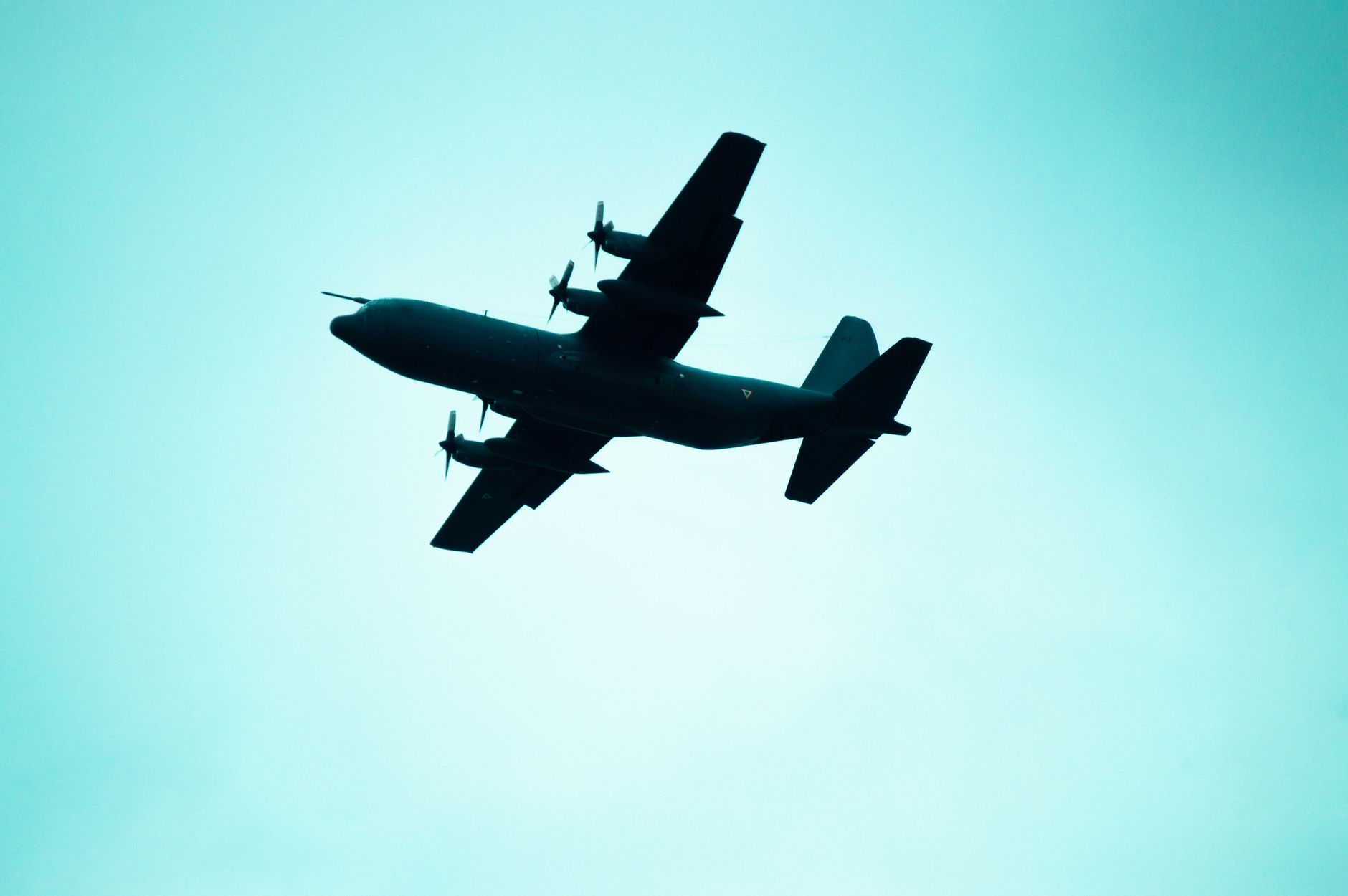
For decades, Canada’s defence procurement has been heavily – almost exclusively – reliant on the United States. From naval vessels to armoured vehicles, the vast majority of the Canadian Armed Forces’ (CAF) equipment has originated south of the border. However, a landmark decision is poised to change that. Canada is on the verge of ordering a fleet of Saab Gripen E fighter jets from Sweden, a move that signals a significant shift in Ottawa's defence strategy and a potential re-evaluation of its economic ties within the defence industry. This article delves into the financial aspects of this decision, exploring the reasons behind the move, the economic implications for both Canada and the US, and what it means for the future of defence spending.
The Long Road to a New Fighter Jet
The need for a replacement for Canada’s aging fleet of CF-188 Hornets (a Canadian variant of the US-made F/A-18) has been recognized for years. The initial procurement process, initiated in 2010, was plagued with political delays, changing requirements, and ultimately, cancellation. The process was restarted several times, with multiple contenders vying for the lucrative contract. Boeing, Lockheed Martin, and Dassault Aviation were all in the running alongside Saab.
The initial preference leaned towards Lockheed Martin’s F-35 Lightning II, but cost concerns and political sensitivities ultimately led to a re-evaluation. While the F-35 remains a potent and widely adopted aircraft, its significant lifecycle costs and the political baggage associated with relying solely on a single US supplier proved to be major hurdles.
Why Saab Gripen? The Financial and Strategic Rationale
Several key factors contributed to Sweden’s Saab and the Gripen E emerging as the frontrunner.
- Cost-Effectiveness: The Gripen E is significantly less expensive to acquire and maintain than its American counterparts, particularly the F-35. This is a critical consideration for Canada, which operates within a constrained defence budget. Estimates suggest the total cost of ownership for the Gripen fleet will be considerably lower than that of the F-35. While exact figures are still being negotiated, the emphasis on affordability played a crucial role.
- Industrial Benefits: Saab offered a substantial industrial benefits package to Canada, including significant investment in Canadian companies and the creation of high-skilled jobs. This commitment to reciprocal economic benefits was a major selling point for the Canadian government, which is keen to bolster the domestic defence industry. This contrasts with previous procurements where the economic spin-offs for Canada were perceived as insufficient.
- Geopolitical Diversification: Reducing Canada's over-reliance on US defence suppliers is a strategic imperative. The Gripen deal diversifies Canada’s supply chain and reduces the potential for political pressure. This move aligns with a broader Canadian foreign policy goal of increasing its independence on the global stage.
- Capability & Modern Technology: Despite its lower price point, the Gripen E is a highly capable, modern fighter jet. It incorporates advanced sensors, data links, and electronic warfare systems, making it well-suited to meet Canada’s defence needs. The aircraft is designed for adaptability and can be easily upgraded to address future threats.
The Financial Implications for Canada
The procurement of the Saab Gripen fleet represents a significant financial undertaking for Canada, estimated to be in the multi-billion dollar range. While the exact cost is still under negotiation, it's crucial to understand the various cost components:
- Acquisition Cost: The initial purchase price of the aircraft themselves is the most obvious cost.
- Maintenance & Support: This includes ongoing maintenance, repairs, and logistical support over the aircraft’s lifespan (estimated at 30+ years).
- Infrastructure Upgrades: Canadian airbases will require upgrades to accommodate the Gripen fleet, including new hangars, maintenance facilities, and training infrastructure.
- Training Costs: Pilots, maintenance personnel, and support staff will require extensive training.
- Weapons Systems & Integration: The cost of integrating advanced weapons systems and sensors onto the Gripen E is a significant factor.
However, the financial impact extends beyond these direct costs. The industrial benefits package offered by Saab is expected to generate economic activity and create jobs within Canada. This could offset some of the procurement costs through increased tax revenues and economic growth. It's worth noting that the government could potentially offer tax incentives or subsidies to encourage Saab to invest further in Canadian infrastructure and R&D. You can find detailed information on Canadian government procurement rules at https://example.com/.
Impact on the US Defence Industry
The Canadian decision to award the fighter jet contract to Saab is a blow to the US defence industry. Lockheed Martin, in particular, had been heavily favoured to win the contract with its F-35. This loss represents a significant missed opportunity for US defence contractors and could have repercussions for US jobs and economic growth.
The loss also highlights a growing trend of countries seeking to diversify their defence suppliers and reduce their reliance on the US. Other nations are also exploring alternatives to US-made equipment, driven by cost concerns, geopolitical considerations, and a desire to bolster their own domestic defence industries. The impact could be felt across various segments of the US defence industry, including aerospace, electronics, and weapons manufacturing.
However, it’s important to note that the US remains the dominant player in the global defence market. This single contract, while significant, is unlikely to fundamentally alter the balance of power. US defence companies will continue to pursue opportunities in Canada and around the world.
Long-Term Implications for Defence Spending and Procurement
This procurement decision could set a precedent for future defence spending and procurement in Canada.
- Increased Scrutiny of Costs: The emphasis on cost-effectiveness in the Gripen selection process is likely to be replicated in future procurement projects. The Canadian government will be under pressure to demonstrate that it is getting the best value for its money.
- Emphasis on Industrial Benefits: Future defence contracts will likely prioritize bids that offer substantial industrial benefits to Canada, creating jobs and fostering innovation within the domestic defence industry.
- Diversification of Supply Chains: Canada is likely to continue diversifying its defence supply chains, reducing its reliance on a single supplier. This will enhance its strategic autonomy and reduce its vulnerability to disruptions in the global supply chain.
- Potential for Increased Collaboration with Europe: The Gripen deal could pave the way for increased defence cooperation between Canada and Europe, particularly with Sweden and other European nations.
Navigating the Financial Landscape: Investing in Defence
The Canadian defence sector, even with this shift, remains a complex and often opaque area for investors. Understanding the evolving landscape requires careful analysis of government policies, industry trends, and geopolitical factors.
For individuals interested in exploring investment opportunities within the broader aerospace and defence sector, resources like financial news platforms and investment research firms can provide valuable insights. Tools for tracking market performance and portfolio diversification, like those offered by many brokerage firms, can be helpful. You might also consider exploring Exchange Traded Funds (ETFs) focused on the aerospace and defence industries. For beginner investors, resources like Investopedia (https://example.com/ – consider a book on investing) can be a great starting point.
| Feature | Saab Gripen E | Lockheed Martin F-35 |
|---|---|---| | Unit Cost (Estimate) | $80-90 Million | $130-150 Million | | Lifecycle Cost | Lower | Higher | | Industrial Benefits | Substantial | Limited | | Technology | Advanced, Agile | Cutting-Edge, Stealth | | Political Considerations | Less Complex | More Complex |
Conclusion
Canada’s decision to purchase the Saab Gripen fighter jets from Sweden is a watershed moment for the nation’s defence policy and its economic relationship with the US. While the financial implications are substantial, the move promises to deliver cost savings, boost the Canadian economy, and enhance Canada's strategic independence. The long-term consequences of this decision will be felt for decades to come, reshaping the landscape of defence spending and procurement in Canada and potentially influencing similar decisions in other nations. The move isn't just about acquiring aircraft; it's about investing in Canada's future, diversifying its economy, and solidifying its position on the global stage.
Disclaimer:
This article contains affiliate links. If you click on these links and make a purchase, we may receive a small commission at no extra cost to you. This helps support the creation of high-quality content like this. We only recommend products and services that we believe are valuable and relevant to our readers. Our editorial independence is maintained.