Canada plans 'nuclear renaissance' with up to 10 reactors built by 2040
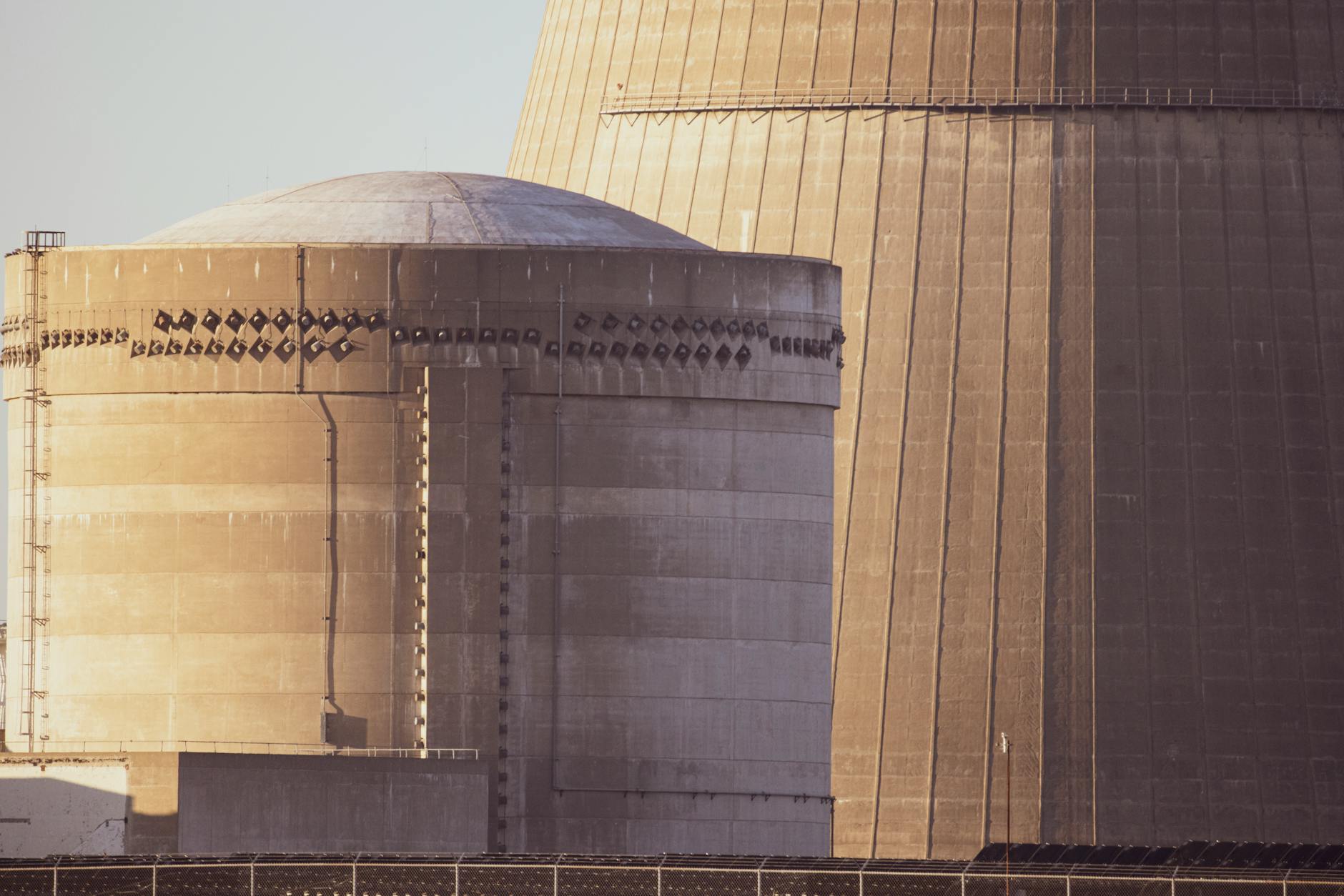
Canada is poised for a significant shift in its energy landscape. Driven by climate change concerns, increasing energy demands, and a desire for energy independence, the federal government, alongside provincial partners, is actively planning what many are calling a “nuclear renaissance.” This ambitious plan involves potentially building up to 10 new nuclear reactors by 2040. This isn't just an energy story; it’s a major financial opportunity – and one that demands a close look for investors and stakeholders across the Canadian economy.
The Drive for Nuclear: Why Now?
For decades, Canada has relied heavily on nuclear power, particularly in Ontario. However, aging infrastructure and a growing population necessitate exploring new options. Several key factors are converging to create the perfect storm for this nuclear expansion:
- Climate Change Targets: Canada has committed to ambitious emissions reduction targets. Nuclear energy, as a near-zero emissions source, is crucial for meeting these goals.
- Energy Demand: Electrification is increasing rapidly, fueled by the adoption of electric vehicles, heat pumps, and growing data centers. This increased demand requires significant new generating capacity.
- Energy Security: Global events have highlighted the vulnerabilities of relying on unstable energy supplies. Nuclear power offers a secure, domestically produced energy source.
- Small Modular Reactors (SMRs): Advancements in SMR technology make nuclear power more flexible, scalable, and potentially more affordable than traditional large-scale reactors.
- Federal Support: The federal government has signaled strong support through funding initiatives, streamlined regulatory processes, and collaborative agreements with provinces.
The Plan: 10 Reactors by 2040 – A Timeline & Breakdown
The plan isn’t about replacing existing reactors immediately but about adding significant new capacity. The federal government’s goal is to see up to 10 new reactors operational by 2040. This includes both large-scale reactors and, crucially, Small Modular Reactors (SMRs).
Here's a projected breakdown, though timelines are subject to change and provincial participation is key:
- Ontario (Dominant Player): Ontario is leading the charge, with plans to add approximately 4,000 MW of new nuclear capacity at the Darlington and Bruce Nuclear Generating Stations. This will largely be through the deployment of SMRs. Bruce Power, a key player, is already undertaking significant life extension work at its existing reactors, contributing to short-term capacity.
- New Brunswick: New Brunswick is aiming to be a hub for SMR development, with NB Power working with Moltex Energy to deploy a 300 MW SMR at the Point Lepreau Generating Station by the early 2030s.
- Alberta & Saskatchewan: Both provinces are exploring nuclear power as a potential pathway to decarbonization and energy security, though projects are currently in the early stages of feasibility studies. These are likely to initially involve SMR deployments.
- Other Provinces: Quebec and Manitoba currently rely primarily on hydropower. While nuclear isn't a current priority, they may reconsider in the future based on evolving energy needs.
The Financial Implications: A Multi-Billion Dollar Opportunity
The “nuclear renaissance” represents a massive financial undertaking. The costs are substantial, but so are the potential rewards.
Upfront Capital Costs: Building a single large-scale nuclear reactor can easily exceed $10 billion, and potentially reach $15-20 billion. SMRs, while smaller, still require significant capital investment – typically around $500 million to $1 billion per unit. The entire 10-reactor program could require an estimated $80-120 billion in investment over the next two decades.
Financing Models: A variety of financing models are being considered:
- Public-Private Partnerships (PPPs): This is likely to be the dominant approach, with governments contributing initial capital and private companies managing construction and operation.
- Government Loans & Guarantees: The federal government is prepared to offer loans and loan guarantees to reduce the financial risk for investors.
- Utility Rate Increases: A portion of the cost will inevitably be passed on to consumers through electricity rates.
- Institutional Investors: Attracting investment from pension funds, infrastructure funds, and other institutional investors will be critical. https://example.com/ – You might find useful resources on infrastructure investment options here.
Winners & Losers:
- Utilities: Companies like Ontario Power Generation (OPG), Bruce Power, and NB Power stand to benefit directly from the construction and operation of new nuclear facilities. Their stock performance (where publicly traded) will be heavily influenced by the success of these projects.
- Construction Companies: Major construction firms with experience in large-scale infrastructure projects will be key contractors.
- Technology Providers: Companies specializing in SMR technology, such as Terrestrial Energy, Moltex Energy, and Ultra Safe Nuclear, will see increased demand for their services.
- Fuel Suppliers: Uranium mining companies, like Cameco, will benefit from increased demand for nuclear fuel.
- Consumers: Electricity rates could increase, but the long-term benefits of a stable, clean energy supply could outweigh the costs.
Table: Estimated Costs and Potential ROI (Illustrative)
| Project Type | Estimated Cost (per unit) | Potential Capacity | Estimated ROI (over 30 years) |
|---|---|---|---|
| Large-Scale Reactor | $12 - $20 Billion | 1,000 - 1,600 MW | 8% - 12% |
| Small Modular Reactor | $500 Million - $1 Billion | 300 - 500 MW | 7% - 10% |
| Life Extension (Existing Reactors) | $2 - $5 Billion | 500 – 800 MW | 6% - 8% |
Note: ROI figures are highly dependent on various factors, including financing costs, construction delays, and electricity prices.
Investment Opportunities & Risks
The Canadian nuclear renaissance presents a variety of investment opportunities:
- Direct Investment in Utilities: Investing in the stocks of OPG, Bruce Power (although private, future IPO potential exists) and NB Power (if privatized).
- Uranium Mining Stocks: Exposure to companies like Cameco, which will benefit from increased demand for uranium fuel.
- SMR Technology Companies: Investing in companies developing and deploying SMR technology. This carries higher risk but also potentially higher reward.
- Infrastructure Funds: Investing in infrastructure funds that allocate capital to energy projects, including nuclear.
- Bond Markets: Government bonds and corporate bonds issued to finance nuclear projects.
However, investors should be aware of the risks:
- Construction Delays & Cost Overruns: Nuclear projects are notoriously complex and prone to delays and cost overruns.
- Regulatory Hurdles: Obtaining regulatory approvals can be a lengthy and challenging process.
- Public Opposition: Public perception of nuclear power remains a concern in some areas.
- Technology Risk: SMR technology is still relatively new, and there is a risk that certain designs may not perform as expected.
- Political Risk: Changes in government policy could impact the future of nuclear power in Canada.
The Ripple Effect on the Canadian Economy
The “nuclear renaissance” will have a significant ripple effect on the Canadian economy. It will create thousands of high-skilled jobs in construction, engineering, and operations. It will stimulate economic activity in communities hosting nuclear facilities. It will strengthen Canada’s energy independence and enhance its position as a global leader in clean energy technology. Furthermore, the expertise developed in building and operating SMRs can be exported to other countries, creating additional economic opportunities. This sector could very well become a key driver of Canada’s economic growth in the coming decades. Understanding the financial implications of this burgeoning industry is paramount for any savvy investor. https://example.com/ – Consider a subscription to a financial news service for up-to-date analysis on energy sector investments.
Looking Ahead: A Critical Juncture for Canadian Energy
Canada’s commitment to a “nuclear renaissance” is a bold move with the potential to reshape the nation’s energy future. Successfully navigating the financial complexities of this undertaking will require careful planning, innovative financing models, and strong collaboration between governments, utilities, and the private sector. For investors, understanding the opportunities and risks is crucial to capitalizing on this potentially transformative period for Canadian energy.
Disclaimer:
I am an AI chatbot and cannot provide financial advice. This article is for informational purposes only and should not be considered a recommendation to buy or sell any securities. Investing in the energy sector involves risk, and you could lose money. The affiliate links provided are for informational purposes and do not constitute an endorsement of any particular product or service. I may receive a commission if you make a purchase through these links. Always consult with a qualified financial advisor before making any investment decisions.