California farmers to destroy 420k peach trees following Del Monte bankruptcy
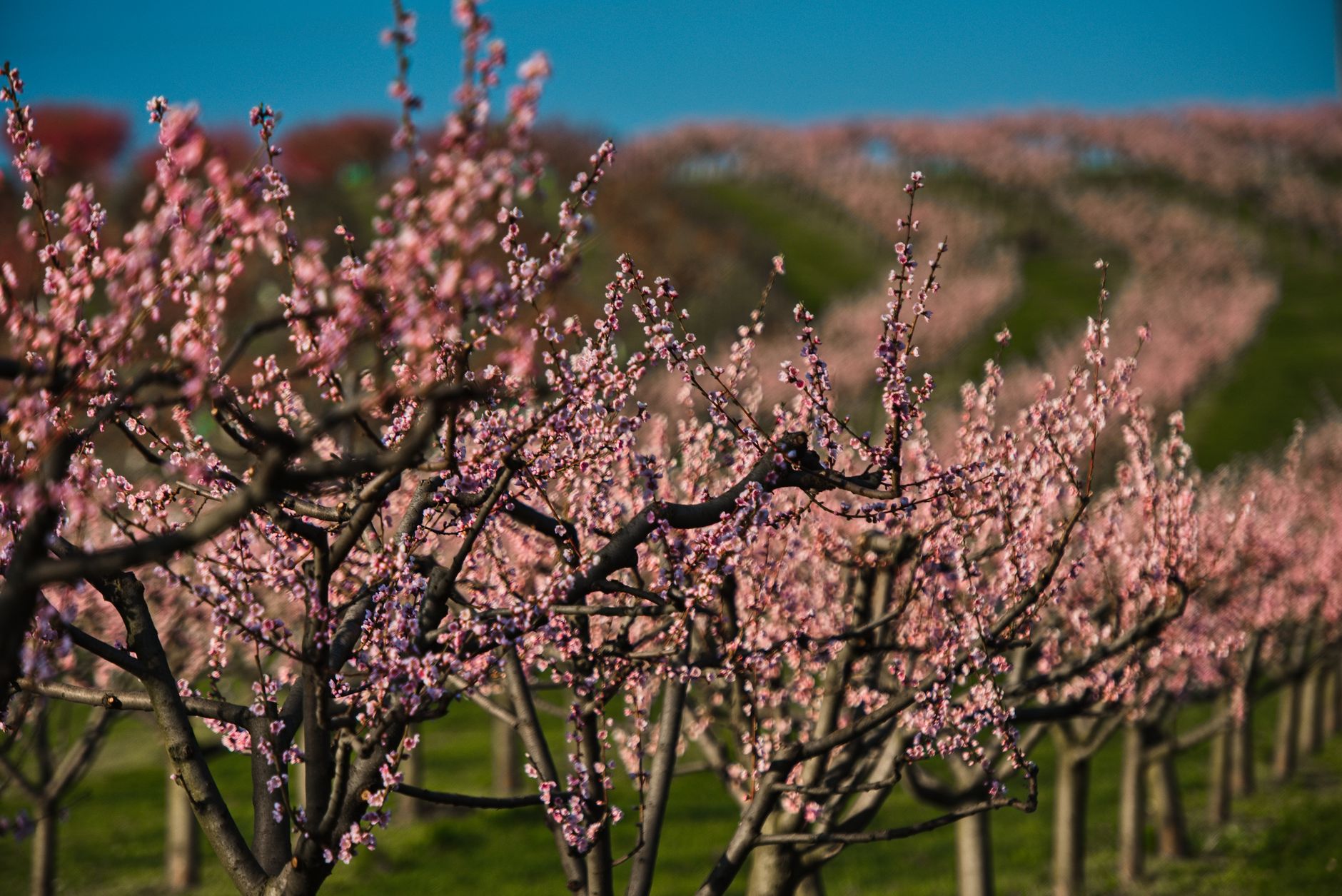
The agricultural heartland of California is facing a bitter harvest of bad news. A staggering decision has been made to destroy approximately 420,000 peach trees in the state, a direct consequence of the recent bankruptcy filing by Del Monte Foods, Inc. This isn't just a loss for peach lovers; it’s a significant blow to the Californian economy, a stark warning about the fragility of the food supply chain, and a chilling example of the financial risks facing agricultural businesses.
The Del Monte Bankruptcy & Its Ripple Effects
Del Monte Foods, Inc., a household name synonymous with canned fruits and vegetables, filed for Chapter 11 bankruptcy protection in November 2023. While the company itself continues to operate, restructuring its significant debt is the primary focus. The bankruptcy stems from a complex interplay of factors including increasing debt loads, shifting consumer preferences, and, crucially, rising operational costs – particularly in agricultural production.
But the bankruptcy isn’t contained to Del Monte's corporate offices. The company contracts with numerous independent growers in California, a vital partnership that has sustained the state’s peach industry for decades. These growers are now bearing the brunt of Del Monte's financial woes.
The core issue? Del Monte informed growers that it would no longer be purchasing their peaches. With no buyer for their crop, and facing the enormous expense of harvesting, processing, and storing peaches without a guaranteed market, growers are left with a devastating choice: destroy their orchards.
Why 420,000 Peach Trees? The Economics of Destruction
Destroying 420,000 mature peach trees is not a decision taken lightly. Each tree represents years of investment – the cost of the sapling, the land, water, fertilizer, labor, and the time it takes for the tree to mature and begin producing fruit. It seems counterintuitive to destroy a valuable resource. However, the economic reality is brutally clear.
- No Market: Without a buyer like Del Monte, selling the peaches becomes virtually impossible at a profitable price.
- Harvest Costs: Harvesting peaches is labor-intensive and expensive. The cost of labor alone would quickly outweigh any potential revenue from trying to sell a surplus crop.
- Storage Challenges: Peaches are perishable. Storing a large, unplanned-for harvest requires significant refrigeration capacity, which most growers simply don't have.
- Maintenance Costs: Even if a grower could find some limited outlets for sales, maintaining the trees for another season – watering, fertilizing, pruning – adds further expense with no guarantee of return.
Essentially, the cost of keeping the trees alive is higher than the cost of removing them. It’s a heartbreaking calculation, but one dictated by hard financial realities. This also highlights the precarious position of many farmers, who often operate on thin margins and are vulnerable to disruptions in the supply chain or shifts in market demand. Consider investing in resources to better understand financial planning for small businesses - https://example.com/ can help.
The Impact on California’s Agricultural Landscape
California is a leading agricultural producer, providing a significant portion of the nation’s fruits, vegetables, and nuts. The loss of 420,000 peach trees has far-reaching consequences:
- Reduced Peach Supply: This will inevitably lead to a decrease in the availability of fresh and processed peaches, potentially driving up prices for consumers.
- Job Losses: The destruction of the orchards means the loss of jobs for farmworkers, impacting local communities.
- Economic Fallout: The loss of revenue for growers will ripple through the local economy, affecting related businesses like packing houses, trucking companies, and farm supply stores.
- Land Use Changes: Some land may be repurposed for other crops, but the transition isn't always seamless or profitable. Other areas may simply be left fallow.
- Concentration of Power: The Del Monte situation highlights the power imbalance between large food processors and smaller, independent growers. This raises concerns about the vulnerability of agricultural communities to the financial health of a few major corporations.
What Does This Mean for Consumers? Expect Higher Peach Prices
While the immediate impact may not be drastic, consumers should anticipate higher prices for peaches in the coming years. The reduced supply, coupled with increased transportation costs and ongoing inflation, will likely translate into a more expensive fruit.
This situation serves as a stark reminder of the interconnectedness of the food system. Events like the Del Monte bankruptcy highlight how vulnerabilities within the system can quickly cascade down to affect consumers. Diversifying your food sources and supporting local farmers markets can help mitigate some of this risk, and learning about sustainable investing strategies can help safeguard your finances – https://example.com/ provides resources on this topic.
Beyond Peaches: A Warning Sign for the Agricultural Sector?
The peach crisis is not an isolated incident. The agricultural sector as a whole is facing mounting challenges:
- Climate Change: Extreme weather events – droughts, floods, wildfires – are becoming more frequent and severe, impacting crop yields and increasing production costs.
- Water Scarcity: California, in particular, is grappling with chronic water shortages, which restricts agricultural production.
- Rising Input Costs: The price of fertilizers, pesticides, and fuel has increased significantly in recent years, squeezing farmers’ profit margins.
- Supply Chain Disruptions: Global events continue to disrupt supply chains, creating uncertainty and increasing costs.
- Farm Debt: Many farmers are carrying substantial debt loads, making them vulnerable to economic downturns.
The Del Monte situation serves as a canary in the coal mine, signaling the potential for further distress within the agricultural sector. It underscores the need for greater investment in agricultural resilience, including:
- Water Infrastructure: Investing in water storage and conservation technologies.
- Climate-Smart Agriculture: Adopting farming practices that mitigate climate change and enhance resilience.
- Crop Diversification: Encouraging farmers to diversify their crops to reduce their reliance on a single commodity.
- Fair Trade Practices: Promoting fair trade practices that ensure farmers receive a fair price for their products.
- Strengthening the Local Food System: Supporting local farmers markets and community-supported agriculture (CSA) programs.
The Future of California Peaches
The destruction of 420,000 peach trees is a devastating loss for California’s agricultural heritage. While replanting will eventually occur, it takes years for new trees to mature and become productive. The California peach industry will undoubtedly look different in the years to come.
The industry may see a shift towards more diversified varieties of peaches, a greater focus on direct-to-consumer sales, and increased adoption of sustainable farming practices. However, the long-term viability of the peach industry – and the broader agricultural sector – will depend on addressing the underlying challenges of climate change, water scarcity, and financial instability.
Conclusion
The plight of California peach farmers is a sobering reminder of the fragility of our food system and the financial pressures facing agricultural businesses. The Del Monte bankruptcy has triggered a crisis with far-reaching consequences, impacting not only growers and farmworkers but also consumers. Understanding these challenges is critical for building a more resilient and sustainable food future.
Disclaimer:
This article contains affiliate links. If you purchase a product or service through these links, we may receive a small commission at no extra cost to you. This helps support our research and writing. We only recommend products and services that we believe are valuable and relevant to our readers.