The Unexpected Financial Insight from BYD Car Part CT Scans
Beyond electric vehicles, CT scans of BYD car parts are revealing intriguing data for investors. Explore the financial implications of manufacturing precision & cost control.
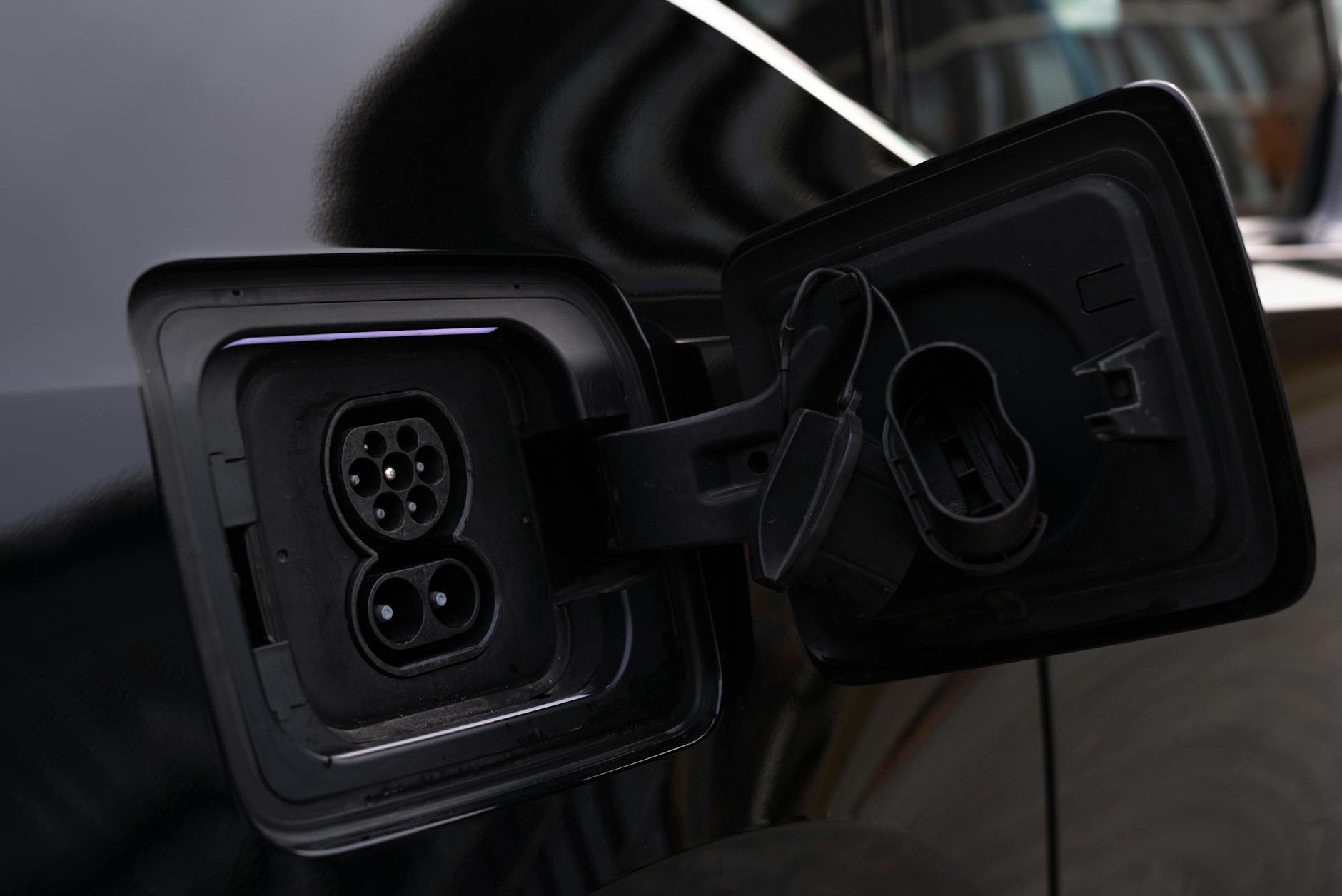
BYD (Build Your Dreams) has rapidly ascended to become a global powerhouse in the electric vehicle (EV) market, challenging Tesla and reshaping the automotive landscape. While much attention is focused on sales figures, battery technology, and innovative designs, a less-discussed but increasingly significant area of analysis is emerging: CT (Computed Tomography) scanning of BYD car parts. This isn't about medical imaging; it’s about a deep dive into manufacturing precision, cost control, and potential investment opportunities. This article explores how these seemingly technical scans are providing crucial financial insight for investors and analysts.
Why CT Scan BYD Car Parts? The Data Advantage
Traditionally, automotive industry analysis centered around market share, brand reputation, and macroeconomic trends. However, a growing movement within the financial analysis community is leveraging advanced technology, like CT scanning, to gain a more granular understanding of a company’s production capabilities and cost structure.
But why BYD specifically? Several factors contribute:
- Rapid Growth & Innovation: BYD’s aggressive growth trajectory means constant innovation and changes in manufacturing processes. CT scans allow for tracking these changes.
- Vertical Integration: BYD is highly vertically integrated, producing everything from batteries and semiconductors to complete vehicles. This provides a wider scope for analysis.
- Cost Leadership Strategy: BYD is known for its competitive pricing, fueled by efficient manufacturing. CT scans help verify this efficiency and identify areas for potential margin improvement.
- Geopolitical Significance: As a leading Chinese EV manufacturer, BYD is at the heart of global supply chain dynamics and technological competition. Understanding its internal processes is crucial.
CT scans provide a non-destructive way to examine the internal structure of components. This reveals details about material usage, manufacturing tolerances, and potential design flaws that are invisible to the naked eye. Imagine being able to "see inside" a BYD Blade Battery cell or a motor stator, understanding exactly how it’s made. That’s the power of this technique.
**(Image suggestion: A grayscale CT scan image of a complex automotive part, perhaps a motor component.
Decoding the Scan: What Financial Analysts are Looking For
The raw data from a CT scan isn’t inherently useful. It requires specialized expertise to interpret. Here’s what financial analysts focus on:
- Material Density and Usage: Scanning reveals the precise amount of each material used in a component. This directly impacts cost calculations. Are they using less expensive materials than competitors? Are they optimizing material usage to reduce waste? This is huge for profitability.
- Manufacturing Tolerances: Tighter tolerances indicate higher precision manufacturing, often achieved with more advanced (and expensive) equipment. This can correlate with higher quality and reliability, justifying a premium price point. Conversely, wider tolerances might suggest cost-cutting measures.
- Component Complexity: A more complex design might signify advanced engineering but could also increase manufacturing difficulty and cost.
- Assembly Quality: CT scans can reveal potential voids, cracks, or inconsistencies in assembly. These flaws can indicate quality control issues and potential warranty costs.
- Design Changes & Iteration Speed: By comparing scans of parts from different production runs, analysts can track how quickly BYD is implementing design improvements and adapting to new technologies. Faster iteration signifies a more agile and innovative company.
- Benchmarking against Competitors: Perhaps most powerfully, CT scans of BYD parts can be directly compared to scans of similar parts from Tesla, Volkswagen, or other manufacturers. This provides an objective assessment of BYD's manufacturing prowess.
The Financial Implications: Cost Control and Profit Margins
The primary financial takeaway from BYD car part CT scans revolves around cost control. BYD's success is predicated on offering compelling EVs at competitive prices. These scans validate or invalidate the narrative around their cost advantages.
Here's how it translates to investment analysis:
- Gross Margin Analysis: Accurate material usage data allows for a more precise calculation of the cost of goods sold (COGS). This, in turn, directly impacts gross margin estimates.
- Operating Margin Projections: Understanding manufacturing efficiency and potential quality issues affects operating expense projections (warranty costs, recalls, etc.).
- Valuation Models: More accurate financial projections lead to more reliable discounted cash flow (DCF) models and other valuation methods.
- Supply Chain Risk Assessment: CT scans can help identify potential vulnerabilities in BYD’s supply chain. For example, if a particular component relies on a single, specialized supplier, it highlights a potential risk.
- Competitive Advantage Assessment: If BYD consistently demonstrates superior manufacturing precision and cost control compared to its competitors, it reinforces the company’s competitive advantage.
**(Image suggestion: A graph comparing the estimated Bill of Materials (BOM) cost of a BYD vehicle versus a competitor, with the BOM cost derived from CT scan analysis.
The Battery Advantage: A Focus on the Blade Battery
BYD's Blade Battery is a key differentiator. Its innovative cell-to-pack (CTP) design eliminates the need for a module, increasing energy density and improving safety. CT scans of the Blade Battery are particularly insightful:
- Cell Packing Density: Scans reveal how efficiently the cells are packed within the battery pack. Higher density translates to greater energy storage for a given volume.
- Thermal Management System: The effectiveness of the battery's thermal management system (cooling plates, heat shields) is visible in the scans, which impacts battery performance and lifespan.
- Material Composition of the Cells: Detailed analysis of the cell’s internal components reveals the specific materials used in the electrodes, electrolyte, and separator. This information is valuable for assessing battery performance and future technological advancements.
- Structural Integrity after Testing: Post-stress test CT scans can show how the battery pack withstands impacts or thermal events, confirming the claimed safety advantages.
Analyzing the Blade Battery via CT scans provides confidence (or raises concerns) about BYD’s claims regarding its energy density, safety, and longevity. These factors are critical for investor confidence in the long-term viability of BYD’s battery technology. https://example.com/ (relevant book on EV battery technology)
Challenges and Limitations
While powerful, CT scan analysis isn't without its limitations:
- Cost: Performing CT scans and interpreting the data is expensive. It requires specialized equipment and highly skilled engineers.
- Destructive Testing (Sometimes): While non-destructive in many cases, some analysis might require sectioning parts after initial scans.
- Data Interpretation Complexity: Interpreting CT scan data requires deep technical expertise in materials science, manufacturing processes, and automotive engineering.
- Reverse Engineering Concerns: There are ethical and legal considerations related to reverse engineering a competitor’s products.
- Dynamic Production: BYD’s rapid innovation means that scan data can become outdated quickly. Continuous monitoring is essential.
The Future of Automotive Financial Analysis
CT scanning represents a fundamental shift in how automotive companies are analyzed. It moves beyond traditional metrics and provides a data-driven, objective assessment of manufacturing capabilities and cost structure. As the EV market becomes increasingly competitive, this type of analysis will become even more important. We can expect to see:
- Increased Adoption: More financial firms will invest in CT scanning capabilities or partner with companies that offer these services.
- AI-Powered Analysis: Artificial intelligence (AI) will be used to automate the analysis of CT scan data, making it faster and more efficient.
- Real-Time Monitoring: Advances in CT scanning technology will allow for real-time monitoring of production processes.
- Broader Application: The use of CT scanning will extend beyond EVs to other automotive components and systems.
In conclusion, while not a traditional financial metric, CT scans of BYD car parts are becoming a vital source of information for investors seeking a deeper understanding of the company’s cost structure, manufacturing prowess, and long-term potential. It’s a fascinating example of how technology is disrupting even the most established industries, adding a layer of analytical rigor previously unseen in automotive finance.
Disclaimer
Affiliate Disclosure: This article contains affiliate links (https://example.com/ and https://example.com/). If you purchase a product through these links, we may earn a commission at no extra cost to you. This helps support our research and content creation. We only recommend products we believe are valuable and relevant to our audience. All opinions expressed are our own.