The Surprisingly Small Water Footprint of Artificial Intelligence
Is AI guzzling our water resources? The truth is more nuanced. We dive into the water usage of AI, comparing it to other industries and highlighting sustainable practices.
For years, a narrative has been building: Artificial Intelligence (AI) is a resource hog, devouring energy and, critically, water at an alarming rate. This concern is particularly potent for those in the finance sector, where AI is rapidly transforming everything from algorithmic trading to risk management. But is this fear justified? While AI does consume water, the reality is significantly more complex and often misunderstood. This article will delve into the water footprint of AI, comparing it to other industries, and exploring the advancements being made toward more sustainable AI practices – all with a financial lens on the implications.
The Data Center Dilemma: Where Does the Water Go?
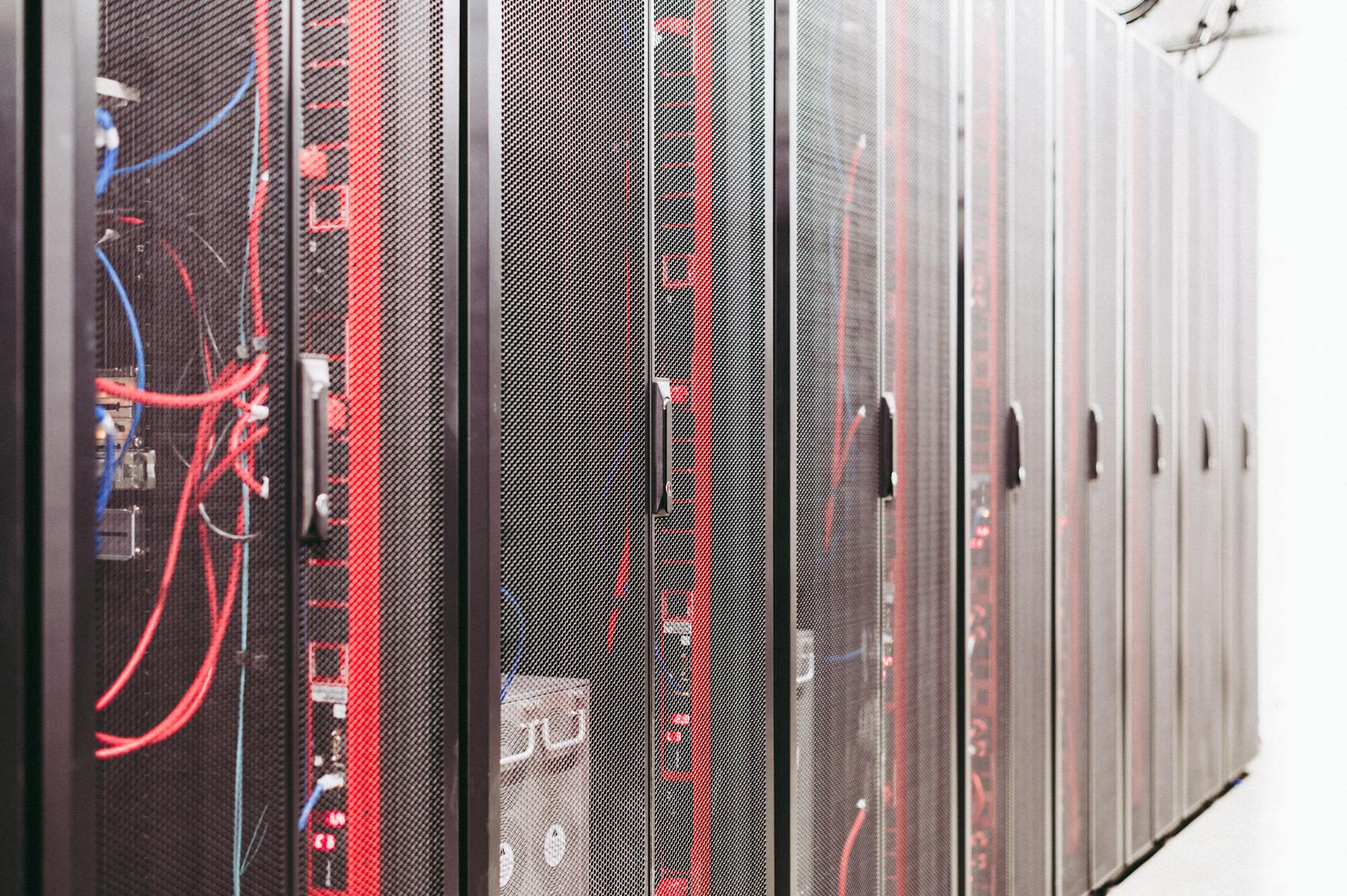
The vast majority of water used in connection with AI isn’t directly by the AI algorithms themselves. It’s used by the data centers that power them. These facilities, crammed with servers processing immense amounts of data, generate a substantial amount of heat. This is where water comes into play.
Data centers primarily use water for cooling. There are several methods:
- Once-through Cooling: This involves drawing water from a source (river, lake, ocean) and using it to cool the servers before returning it, often warmer. This method is becoming less common due to environmental concerns.
- Recirculating Cooling: Water is cooled in cooling towers and reused repeatedly. This significantly reduces water consumption compared to once-through cooling but still relies on evaporation, leading to water loss. The evaporation process is critical for cooling, as it removes heat.
- Air Cooling: Becoming increasingly popular, air cooling relies on outside air to cool the servers. While it eliminates water usage, it's less effective in hot climates and can be more energy intensive.
- Liquid Cooling: A newer and increasingly efficient method, direct liquid cooling brings coolant directly to the heat-generating components of the servers. This can dramatically reduce both water and energy consumption.
The amount of water used varies dramatically based on the cooling method employed, the climate, and the data center’s efficiency. The perception of massive water usage often stems from older, less efficient data centers using once-through cooling in arid regions.
AI’s Water Footprint Compared: It’s Not the Biggest Guzzler
Let’s put AI’s water usage into perspective. Compared to other industries, the direct water footprint of AI – focusing specifically on the data centers – is often surprisingly small. Consider these comparisons:
| Industry | Water Usage (Gallons per Million Dollars Revenue) |
|-----------------|---------------------------------------------------| | Agriculture | 19,700 | | Oil & Gas | 11,200 | | Food & Beverage | 6,700 | | Manufacturing | 4,800 | | Data Centers | 350 – 700 (Varies significantly) |
Data Source: Various studies, including those by the US Geological Survey and academic research. Numbers are approximate and represent US averages.
As you can see, AI’s contribution, channeled through data centers, is dwarfed by industries like agriculture, oil & gas, and even food & beverage. While 350-700 gallons per million dollars of revenue isn't insignificant, it's a fraction of the impact made by other sectors. This is especially important for the financial sector, heavily reliant on all of these industries. A financial firm's investment portfolio has a vastly larger water footprint than its direct AI operations.
The Indirect Water Footprint: A Hidden Impact for Finance
While direct water usage by data centers is crucial, the indirect water footprint of AI – the water used to manufacture the hardware and create the energy powering the AI – is where things get more complex, particularly for the finance industry.
- Hardware Manufacturing: Producing semiconductors, servers, and other hardware requires substantial water resources. The manufacturing process for a single microchip can consume thousands of gallons of water.
- Energy Production: Most data centers rely on electricity, and the water footprint of electricity generation varies greatly depending on the source. Coal and nuclear power plants are notoriously water-intensive, while renewable sources like solar and wind have much smaller water footprints.
- Supply Chain: The entire supply chain, from raw material extraction to transportation, contributes to AI’s overall water footprint.
For the finance sector, understanding this indirect footprint is vital. Investment decisions have a cascading effect. Funding companies that use water-intensive manufacturing processes or rely on fossil fuels ultimately contributes to a larger water footprint, even if the firm’s internal AI operations are efficient. ESG (Environmental, Social, and Governance) investing increasingly incorporates water risk analysis, directly linking financial performance to sustainable water management. https://example.com/ can offer resources on ESG investing.
Sustainable AI: Reducing the Water Footprint
Fortunately, significant efforts are underway to reduce the water footprint of AI:
- Location, Location, Location: Data centers are increasingly being located in cooler climates or near renewable energy sources, reducing the need for water-intensive cooling and lowering the carbon footprint.
- Advanced Cooling Technologies: Liquid cooling and innovative air cooling systems are becoming more widespread, offering substantial water savings.
- Data Center Efficiency: Optimizing data center operations – improving server utilization, using efficient power supplies, and employing intelligent cooling controls – can dramatically reduce water and energy consumption.
- Green AI: Researchers are developing more energy-efficient AI algorithms, reducing the computational demands and, consequently, the water footprint. This includes techniques like model compression, pruning, and quantization.
- Water Stewardship Programs: Many tech companies are implementing water stewardship programs to monitor and reduce their water usage throughout their operations and supply chains.
- Renewable Energy Integration: Powering data centers with renewable energy sources (solar, wind, hydro) drastically reduces the water footprint associated with electricity generation.
Implications for the Finance Industry
The sustainability of AI is no longer just an ethical consideration; it’s a financial one. Here's how the water footprint of AI impacts the finance sector:
- Reputational Risk: Investing in or supporting companies with poor water management practices can damage a firm’s reputation.
- Regulatory Scrutiny: Governments are increasingly implementing regulations related to water usage and environmental sustainability, which could impact financial institutions.
- Investment Opportunities: The demand for sustainable AI solutions is creating new investment opportunities in areas like data center efficiency, green computing, and water technology.
- Risk Management: Water scarcity can pose significant risks to various industries, impacting the value of investments. AI-powered risk management tools can help assess and mitigate these risks.
- Cost Savings: Adopting energy-efficient AI and investing in sustainable data centers can lead to long-term cost savings.
The Future of AI and Water
The narrative surrounding AI and water usage is evolving. While concerns about water consumption are legitimate, the reality is nuanced. AI’s direct water footprint, while growing, is often smaller than other industries, and significant progress is being made towards more sustainable practices.
For the finance industry, understanding both the direct and indirect water footprints of AI is crucial for responsible investing, risk management, and long-term sustainability. By prioritizing efficiency, supporting innovation in green AI, and investing in companies committed to water stewardship, the finance sector can play a vital role in ensuring that the benefits of AI are realized without exacerbating the global water crisis. The future of AI isn’t just about processing power; it’s about processing power responsibly.
Disclaimer
Please note: This article contains affiliate links, denoted by https://example.com/. If you purchase a product through these links, we may earn a small commission at no extra cost to you. This helps support our research and content creation. We only recommend products and services we believe are valuable and relevant to our audience.