AI has a multiplying effect on existing technical skills
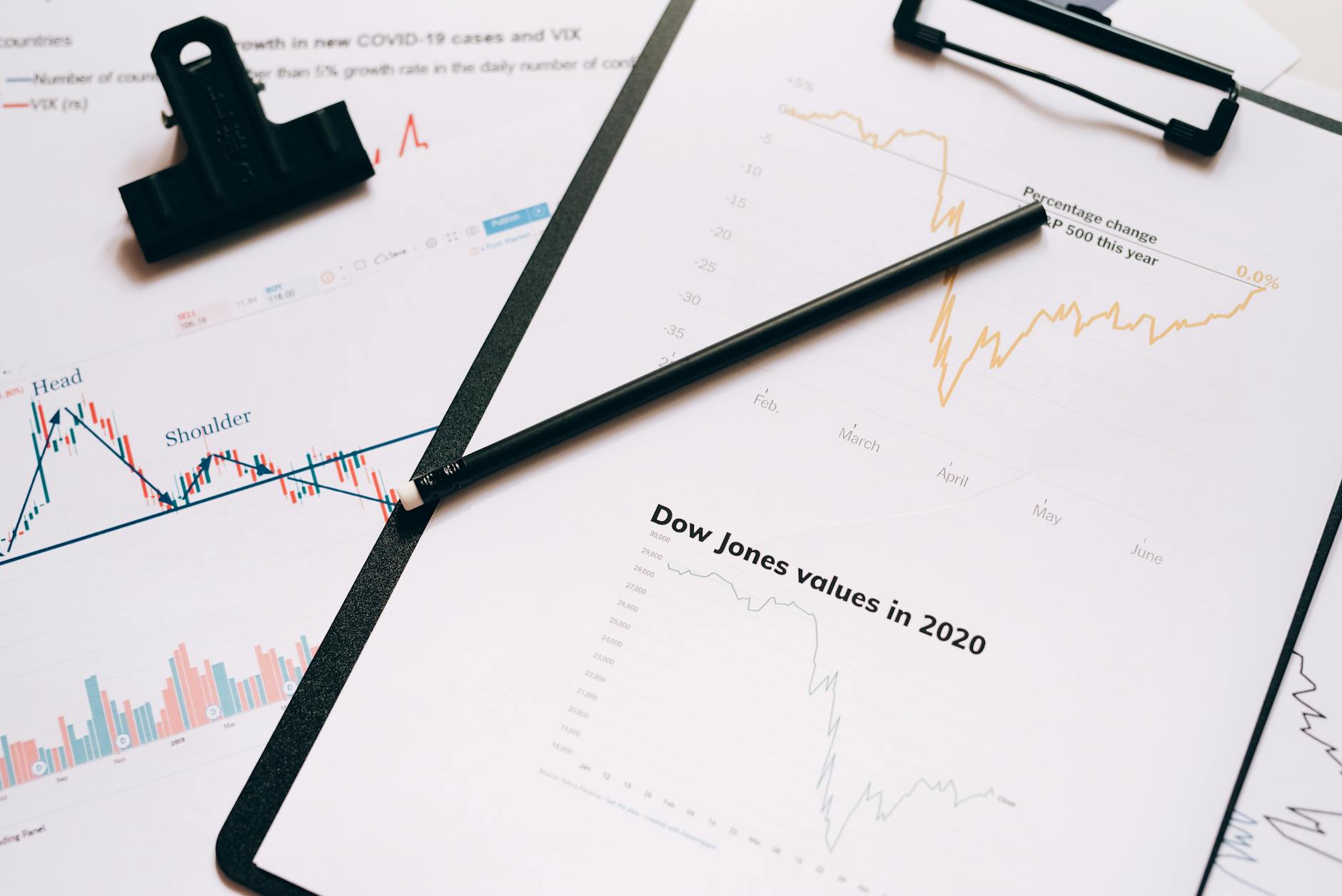
The rise of artificial intelligence (AI) is sparking anxiety across many industries, and finance is no exception. Headlines frequently proclaim AI will replace financial professionals, automating jobs and rendering specialized skills obsolete. However, the reality is far more nuanced. While AI is transforming finance, it's doing so by acting as a powerful multiplier for existing technical skills – enhancing capabilities and creating opportunities for those willing to adapt. This article explores how AI is reshaping the financial landscape and why upskilling, rather than fearing displacement, is the key to thriving in the future of finance.
The Changing Face of Finance: AI's Impact
For years, finance has been a data-rich environment. But extracting meaningful insights from that data was often a slow, laborious process. AI, particularly machine learning and deep learning, changes this fundamentally. It automates repetitive tasks, identifies patterns humans might miss, and accelerates decision-making.
Here's a breakdown of how AI is currently being deployed in finance:
- Algorithmic Trading: AI-powered algorithms are now responsible for a significant percentage of trading volume, identifying arbitrage opportunities and executing trades at speeds impossible for humans.
- Fraud Detection: Machine learning models are remarkably adept at identifying fraudulent transactions in real-time, protecting financial institutions and customers.
- Risk Management: AI helps assess credit risk, market risk, and operational risk with greater accuracy and speed.
- Customer Service: Chatbots and virtual assistants, powered by natural language processing (NLP), are handling routine customer inquiries, freeing up human agents for more complex issues.
- Financial Forecasting: AI models are being used to predict market trends and economic indicators, improving investment strategies.
- Personalized Financial Advice: Robo-advisors leverage algorithms to provide tailored investment advice based on individual financial goals and risk tolerance.
Why AI is a Skill Multiplier, Not a Skill Killer
The common narrative of “AI replacing jobs” often overlooks a crucial point: AI is a tool. Like any powerful tool, it requires skilled operators. It doesn't eliminate the need for financial expertise; it elevates it. Instead of replacing professionals, AI shifts the focus from manual tasks to higher-level analysis, strategic thinking, and model interpretation.
Consider a financial analyst tasked with building a financial model. Previously, much of their time would be spent gathering data, performing calculations, and creating visualizations. Now, AI can automate much of this process. This doesn't mean the analyst is no longer needed. Instead, they can dedicate their time to:
- Model Validation & Refinement: Ensuring the AI model is accurate, reliable, and aligned with business objectives.
- Scenario Analysis: Using the AI-powered model to explore different scenarios and assess their potential impact.
- Strategic Interpretation: Translating the model’s output into actionable insights and recommendations for stakeholders.
- Ethical Considerations: Addressing potential biases and ensuring responsible AI implementation.
The Technical Skills That Thrive in the Age of AI
So, what skills are becoming more valuable in the age of AI in finance? Here's a look at key areas:
1. Data Science & Analytics: This is arguably the most critical skill set.
- Statistical Modeling: Understanding the underlying principles of statistical models used in AI is crucial for interpreting results and identifying potential biases.
- Machine Learning: Knowledge of machine learning algorithms (regression, classification, clustering, etc.) is essential for building and deploying AI-powered solutions. Learning platforms like DataCamp and Coursera offer excellent courses. https://example.com/ - link to a data science certification course.
- Data Visualization: The ability to communicate complex data insights effectively through visualizations is paramount. Tools like Tableau and Power BI are in high demand.
- Big Data Technologies: Familiarity with tools like Hadoop, Spark, and cloud-based data platforms (AWS, Azure, GCP) is increasingly important for managing and processing large datasets.
2. Programming & Software Engineering: AI models aren't built in a vacuum.
- Python: The dominant language for data science and machine learning.
- R: Another popular language for statistical computing and data analysis.
- SQL: Essential for querying and manipulating databases.
- Cloud Computing: Deploying and scaling AI models often requires cloud infrastructure.
- Version Control (Git): Crucial for collaborative development and managing code changes.
3. Quantitative Finance (Quant): The foundation of many AI applications in finance.
- Financial Modeling: Understanding financial instruments, markets, and valuation techniques.
- Stochastic Calculus: Essential for modeling financial derivatives and risk.
- Time Series Analysis: Predicting future values based on past data.
- Optimization Techniques: Finding the best solutions to financial problems.
4. Domain Expertise: AI needs context.
- Understanding of Financial Regulations: Ensuring AI applications comply with regulations like Dodd-Frank and GDPR.
- Knowledge of Specific Financial Products: Applying AI to specific areas like mortgage lending, insurance, or investment banking.
- Business Acumen: Translating AI insights into actionable business strategies.
Upskilling for the Future: Resources and Strategies
The good news is that acquiring these skills is more accessible than ever. Numerous online courses, bootcamps, and university programs are available. Here's a starting point:
- Online Courses: Coursera, edX, Udacity, DataCamp, and Udemy offer a wide range of courses on data science, machine learning, and finance.
- Bootcamps: General Assembly, Flatiron School, and Thinkful provide intensive, immersive training programs.
- University Programs: Many universities offer master's degrees in financial engineering, quantitative finance, or data science.
- Industry Certifications: Certifications like the CFA (Chartered Financial Analyst) and FRM (Financial Risk Manager) can enhance your credibility.
- Networking: Attend industry events and connect with professionals working in AI and finance. LinkedIn is a valuable platform for networking.
| Skill Area | Recommended Learning Resources | Estimated Time Commitment | Cost (approx.) |
|---|---|---|---|
| Python for Finance | DataCamp, Codecademy, Udemy | 3-6 months | $50 - $500+ |
| Machine Learning | Coursera (Andrew Ng’s course), edX, Udacity | 6-12 months | $50 - $1500+ |
| Financial Modeling | Wall Street Prep, Corporate Finance Institute | 2-4 months | $200 - $1000+ |
| Data Visualization | Tableau Public, Power BI training, Udemy | 1-3 months | Free - $300+ |
Beyond the Technical: Soft Skills Remain Crucial
While technical skills are paramount, don’t underestimate the importance of soft skills. AI can’t replicate:
- Critical Thinking: Evaluating AI outputs and making sound judgments.
- Communication: Explaining complex AI insights to non-technical stakeholders.
- Problem-Solving: Identifying and addressing challenges in AI implementation.
- Collaboration: Working effectively with data scientists, engineers, and business leaders.
- Ethics and Responsible AI: Navigating the ethical considerations of AI in finance.
Conclusion: Embrace the AI Revolution
AI is not an existential threat to finance professionals. It’s a powerful catalyst for change, creating new opportunities for those with the right skills and mindset. By embracing lifelong learning, upskilling in key technical areas, and honing essential soft skills, you can position yourself to thrive in the evolving financial landscape. The future of finance isn't about humans versus AI; it's about humans with AI. Don't fear the revolution—become a part of it. https://example.com/ – a link to a relevant finance/data analytics book.
Disclaimer:
This article contains affiliate links. If you purchase a product or service through these links, we may receive a small commission. This helps support our website and allows us to continue providing valuable content. We only recommend products and services that we believe are helpful and relevant to our audience. Our opinions are our own and are not influenced by the affiliate relationships.