A walking tour of surveillance infrastructure in Seattle
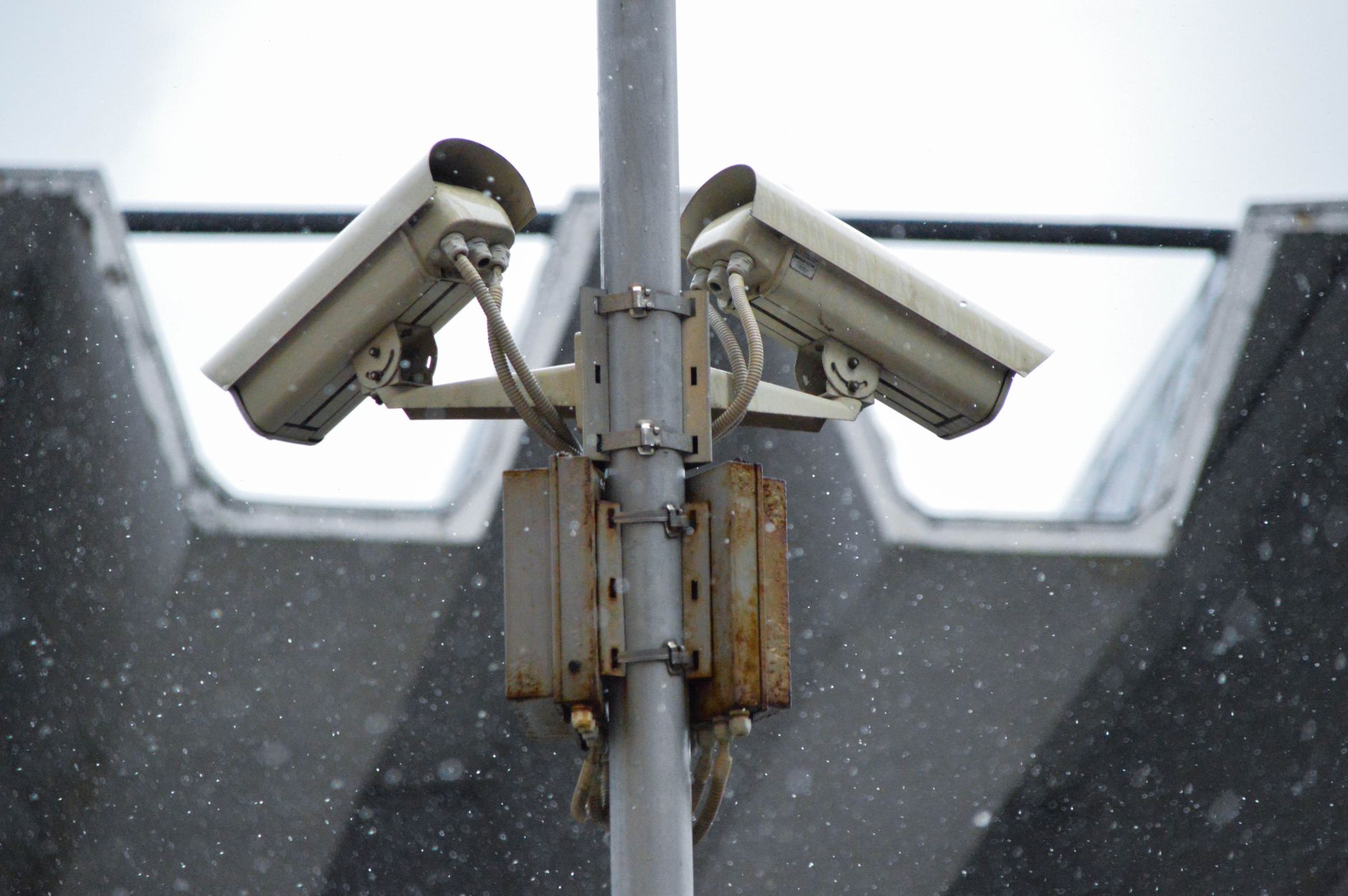
Seattle, a city renowned for its progressive values and tech-forward attitude, also harbors a surprisingly extensive surveillance infrastructure. While often framed as a necessity for public safety, the growing network of cameras, sensors, and data collection systems comes with a significant financial cost – and one that extends beyond the city’s direct expenditure. This article delves into the financial landscape of surveillance in Seattle, exploring the budgetary allocations, the burgeoning security industry, and the potential economic impacts of both its presence and its limitations.
A Growing Network: Mapping Seattle’s Surveillance
Seattle’s surveillance isn’t a single, centrally controlled system. Instead, it’s a patchwork of technologies operated by various entities: the Seattle Police Department (SPD), the Department of Transportation (SDOT), private businesses, and even individual building owners.
Here's a breakdown of some key components:
- Publicly Owned Cameras: The SPD operates a network of surveillance cameras, strategically placed throughout the city, particularly in high-crime areas and near critical infrastructure.
- Traffic Cameras: SDOT's traffic cameras, initially intended for traffic management, are also capable of recording footage usable for law enforcement.
- Private Security Cameras: Businesses, especially in downtown retail corridors, contribute significantly to the overall surveillance footprint with their own camera systems. Often, these cameras are linked to private security firms.
- Facial Recognition Technology: While Seattle initially banned facial recognition technology, limited exceptions remain, and the debate surrounding its use – and the financial investment in its development – continues.
- License Plate Readers (LPRs): The SPD utilizes LPRs to track vehicle movements, creating a database of location data.
- ShotSpotter: A gunshot detection system deployed in certain neighborhoods, alerting police to potential gunfire.
**(Image suggestion: A map of Seattle highlighting areas with high concentrations of surveillance cameras.
The Direct Costs: Budgeting for Big Brother
The most immediate financial impact is reflected in the city's budget. While pinpointing exactly how much Seattle spends on surveillance annually is challenging due to the fragmented nature of the system, we can piece together significant expenditure areas.
Here's a simplified table showing estimated annual costs (as of late 2023/early 2024 - these figures are subject to change):
| Surveillance Component | Estimated Annual Cost |
|---|---| | SPD Camera Network Maintenance & Operation | $500,000 - $1,000,000 | | ShotSpotter Contract | $300,000 - $500,000 | | LPR System Maintenance & Data Storage | $150,000 - $300,000 | | Facial Recognition Software (and related training) | $50,000 - $150,000 (fluctuating based on usage/legal challenges) | | Security Personnel (monitoring camera feeds) | $2,000,000 - $4,000,000 (salaries & benefits) | | Total (Estimated) | $3,000,000 - $5,950,000+ |
These figures don't include the initial capital expenditure for installing cameras and systems, nor do they account for the costs associated with data storage, legal fees related to challenges against surveillance technologies, or the ongoing costs of data breach investigations (a very real concern). The costs associated with analyzing the data collected, and the personnel required to do so, are also substantial. Furthermore, upgrades and replacements of aging technology continually add to the financial burden.
The Indirect Costs: Fueling the Security Industry
Beyond the city’s direct spending, Seattle's surveillance infrastructure stimulates a substantial private security industry. This represents an indirect financial impact.
- Security System Sales & Installation: Companies like ADT, Vivint, and local providers benefit from increased demand for security systems from businesses and residents concerned about crime. https://example.com/ offers a range of home security systems.
- Data Analytics & Software Development: The need to process and analyze the vast amounts of data generated by surveillance systems fuels the growth of companies specializing in video analytics, data mining, and artificial intelligence.
- Private Security Services: The presence of surveillance doesn't eliminate the need for human security guards; rather, it often complements it. Private security firms employ individuals to monitor camera feeds, respond to alarms, and provide on-site protection.
- Cybersecurity: As surveillance systems become more networked, they become more vulnerable to cyberattacks. This drives demand for cybersecurity services, creating another growth sector.
The growth of these industries represents a transfer of wealth – public funds invested in surveillance indirectly support private companies, often with limited public oversight.
The Economic Impacts: Balancing Security and Innovation
The financial impact of surveillance extends beyond budgetary allocations and industry growth; it also influences the broader economic landscape.
- Impact on Tourism: Excessive surveillance can create a perception of a police state, potentially deterring tourists. Seattle's reputation as a welcoming and progressive city could be undermined if visitors feel constantly watched.
- Impact on Business Investment: Businesses may hesitate to invest in areas perceived as overly policed or lacking in privacy. A delicate balance must be struck between security and fostering a business-friendly environment.
- Impact on Innovation: Some argue that a pervasive surveillance state stifles innovation. Fear of scrutiny may discourage experimentation and risk-taking, hindering the city’s status as a tech hub.
- The Cost of False Positives: Systems like ShotSpotter, while intended to improve response times, are known to generate false positives. Each false alarm requires police resources, diverting them from other priorities and incurring costs.
- The Potential for Civil Liberties Lawsuits: Violations of privacy rights resulting from surveillance can lead to costly lawsuits against the city, adding to the financial burden.
**(Image suggestion: A graph showing the growth of the security industry in Seattle over the past decade.
Alternatives and Financial Considerations
Are there more cost-effective ways to achieve public safety? Investing in social programs, affordable housing, and mental health services are often cited as alternatives that address the root causes of crime, potentially reducing the long-term need for expensive surveillance technologies.
A comprehensive cost-benefit analysis of surveillance is crucial. This analysis should consider:
- The direct costs of implementation and maintenance.
- The indirect costs to privacy and civil liberties.
- The potential economic impacts on tourism, business investment, and innovation.
- The effectiveness of surveillance in actually reducing crime (compared to alternative approaches).
Furthermore, investing in de-escalation training for law enforcement and community-based violence prevention programs could yield significant returns, both in terms of public safety and reduced financial costs.
Using technology responsibly, with built-in privacy safeguards and transparency, is paramount. A strong legal framework governing the use of surveillance data is essential to protect citizens’ rights and minimize the risk of abuse. Exploring encrypted data storage and limiting data retention periods are also financially sound approaches – reducing storage costs and mitigating the risks associated with data breaches. https://example.com/ offers secure data storage solutions.
The Future of Surveillance Finance in Seattle
The trend towards increased surveillance is likely to continue, driven by advancements in technology and ongoing concerns about public safety. However, the financial implications of this trend demand careful scrutiny. Seattle’s leaders must prioritize transparency, accountability, and a rigorous cost-benefit analysis to ensure that investments in surveillance are justified and aligned with the city’s values. A robust public dialogue is crucial to determine the appropriate balance between security, privacy, and economic prosperity.
Disclaimer:
This article contains affiliate links. If you purchase a product through one of these links, we may receive a small commission. This helps support our work but does not influence our editorial content or recommendations. We are committed to providing unbiased and informative articles.