ASML became the chokepoint for cutting-edge chips
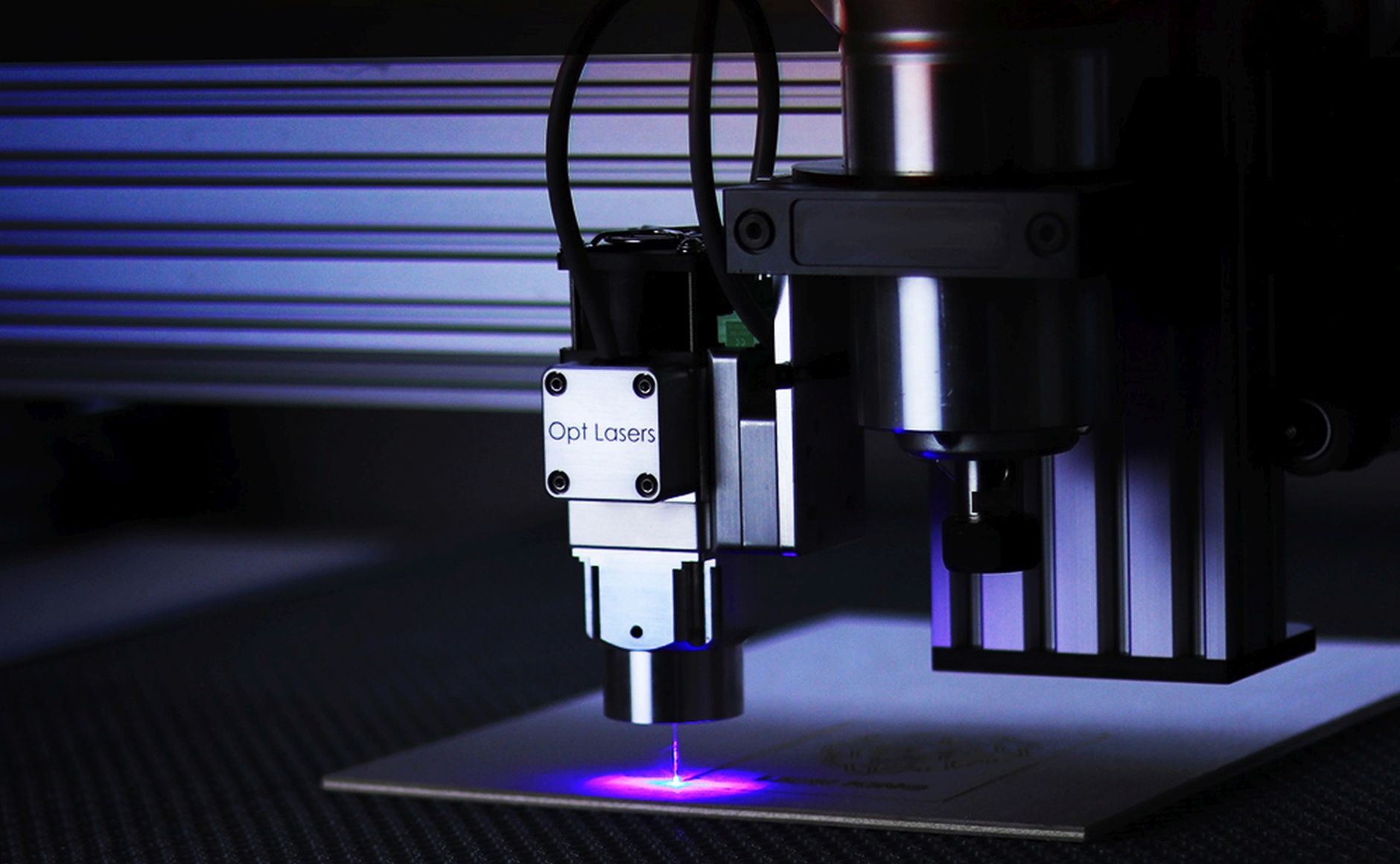
The global semiconductor industry is a complex web of innovation, manufacturing, and geopolitical strategy. While companies like TSMC, Samsung, and Intel often grab headlines, there's one Dutch company quietly holding the keys to the future of computing: ASML Holding. ASML has become the indispensable, and often overlooked, chokepoint for producing the most advanced chips in the world. This article dives deep into ASML's technology, its growing importance, the competitive landscape, and what it means for investors navigating this critical industry.
The Rise of ASML and the Importance of Lithography
For decades, the semiconductor industry followed Moore’s Law – the observation that the number of transistors on a microchip doubles approximately every two years. Maintaining this pace requires increasingly sophisticated manufacturing techniques, and at the heart of that process is lithography.
Lithography is, in essence, the process of “printing” intricate circuit patterns onto silicon wafers. Think of it like creating a highly detailed stencil. Early lithography used visible light, but as chips became smaller and more complex, shorter wavelengths of light were needed to achieve the necessary resolution. This led to the development of Deep Ultraviolet (DUV) lithography, and ultimately, Extreme Ultraviolet (EUV) lithography – ASML's crowning achievement.

DUV vs. EUV: A Revolutionary Leap
DUV lithography, while highly advanced, was reaching its physical limits. Creating ever smaller features with DUV requires complex and expensive “multi-patterning” techniques – essentially repeating the lithography process multiple times. This increases manufacturing costs and complexity.
EUV lithography uses light with a wavelength of just 13.5 nanometers – significantly shorter than DUV’s 193 nanometers. This allows for the creation of far more detailed patterns in a single pass, simplifying the manufacturing process and enabling the creation of more powerful and efficient chips.
But EUV isn't just about wavelength. It's an incredibly complex system. The mirrors required to focus EUV light are astonishingly precise, needing to be perfectly flat to within a fraction of an atom. And the entire process happens in a vacuum, adding another layer of engineering difficulty.
ASML's Monopoly on EUV: The Chokepoint
Here's where ASML’s dominance comes into play. They are, currently, the only company in the world capable of producing commercially viable EUV lithography machines. This wasn't always the case. Initially, Nikon and Canon were also vying for leadership in lithography. However, the complexities and immense cost of developing EUV technology proved insurmountable for them. ASML, through decades of relentless R&D and strategic partnerships (particularly with Zeiss for optics), ultimately prevailed.
The current EUV machine, the NXE:3600D, costs around $150-200 million each. And it’s not just the machines themselves. ASML also provides crucial maintenance, upgrades, and support. This creates a significant barrier to entry for any potential competitor.
Here’s a breakdown of ASML's core advantage:
- Technological Lead: Years of dedicated R&D give ASML an unparalleled lead in EUV technology.
- IP Protection: ASML holds thousands of patents protecting its EUV technology.
- Supply Chain Control: ASML carefully manages its supply chain, ensuring access to critical components.
- Customer Relationships: Strong relationships with leading chip manufacturers like TSMC, Samsung, and Intel.
The Geopolitical Implications of ASML's Dominance
ASML's monopoly has profound geopolitical implications. The ability to produce leading-edge chips is crucial for national security and economic competitiveness. Countries are heavily investing in their domestic semiconductor industries to reduce reliance on foreign suppliers.
However, even with massive investments, these companies need ASML's EUV machines to remain at the forefront of chip technology. This gives the Dutch government, and by extension, the US government (due to export restrictions - see below), considerable leverage.
Export Controls and the US-China Tech War:
The US government has imposed increasingly strict export controls on advanced semiconductor technology, including EUV lithography machines, to limit China’s access to cutting-edge chips. This means ASML requires a license from the Dutch government (and effectively, US approval) to sell EUV machines to Chinese companies like SMIC. These restrictions have significantly impacted China’s ability to develop advanced semiconductors, and have fueled the ongoing "chip war."
The situation is further complicated by ASML’s reliance on US suppliers for certain key components within the EUV machines. This dependence gives the US government another point of control.
The Impact on Key Players: TSMC, Samsung, and Intel
ASML’s EUV technology is critical for the success of all three major players in the foundry business:
- TSMC (Taiwan Semiconductor Manufacturing Company): TSMC is the world's largest contract chip manufacturer, and a major customer of ASML. They rely heavily on EUV to produce chips for Apple, Nvidia, and other leading tech companies. Their continued dominance hinges on their ability to secure access to the latest EUV machines.
- Samsung: Samsung is both a memory chip manufacturer and a foundry competitor to TSMC. They are also a significant ASML customer, using EUV for both memory and logic chip production. They are aggressively investing in expanding their EUV capacity.
- Intel: Intel, historically a leader in chip manufacturing, has faced challenges in recent years. They are investing heavily in rebuilding their manufacturing prowess and are relying on EUV technology to regain their competitive edge. They've publicly stated their commitment to EUV and are aiming to become a major player in the foundry market.

| Company | Current EUV Capacity | Planned EUV Expansion | Key Focus |
|---|---|---|---|
| TSMC | Most advanced EUV capacity | Continual expansion, leading the industry | High-volume production for leading-edge chips | | Samsung | Expanding rapidly | Aggressive expansion plans to rival TSMC | Both Logic and Memory chip production | | Intel | Lagging behind TSMC & Samsung | Significant investment in EUV capacity | Reclaiming manufacturing leadership |
Investing in ASML: A Look at the Financials and Future Prospects
ASML's financial performance has been exceptional, reflecting its dominant position in the market. Revenue has grown steadily over the past decade, and profitability is high. However, the stock is not cheap – it trades at a premium multiple due to its growth prospects and strategic importance.
Key Financial Highlights (as of late 2023):
- Market Capitalization: Approximately $300 billion USD.
- Revenue Growth: Consistent double-digit revenue growth.
- Gross Margin: Typically above 50%.
- Net Income Margin: Healthy net income margins, indicating strong profitability.
Future Prospects:
- High-NA EUV: ASML is developing a next-generation EUV machine called High-NA EUV, which will offer even higher resolution and enable the creation of even smaller and more powerful chips. This is expected to be a significant driver of future growth.
- Continued Demand: Demand for advanced chips is expected to remain strong, driven by artificial intelligence, 5G, and other emerging technologies.
- Geopolitical Risk: Geopolitical tensions and export controls pose a risk to ASML’s business, particularly in China.
Investing in ASML (ASML.AS) represents a play on the future of the semiconductor industry. However, investors should be aware of the high valuation and potential geopolitical risks. Consider diversifying your portfolio and conducting thorough research before making any investment decisions. You can find more information on stock analysis platforms such as for tools and data.
Conclusion: ASML’s Enduring Influence
ASML’s journey from a Dutch optics company to the linchpin of the global semiconductor industry is a remarkable story of innovation and strategic foresight. The company's monopoly on EUV lithography gives it unparalleled influence and makes it a critical player in the ongoing "chip war." As the demand for advanced chips continues to grow, ASML is poised to remain the kingmaker, shaping the future of technology for years to come.
Disclaimer:
I am an AI chatbot and cannot provide financial advice. This article is for informational purposes only and should not be considered investment advice. The author may receive affiliate commissions from purchases made through links in this article, such as or Always conduct your own research and consult with a qualified financial advisor before making any investment decisions.